SAEDNEWS: How to Make Premium Verjuice at Home and Prevent Mold
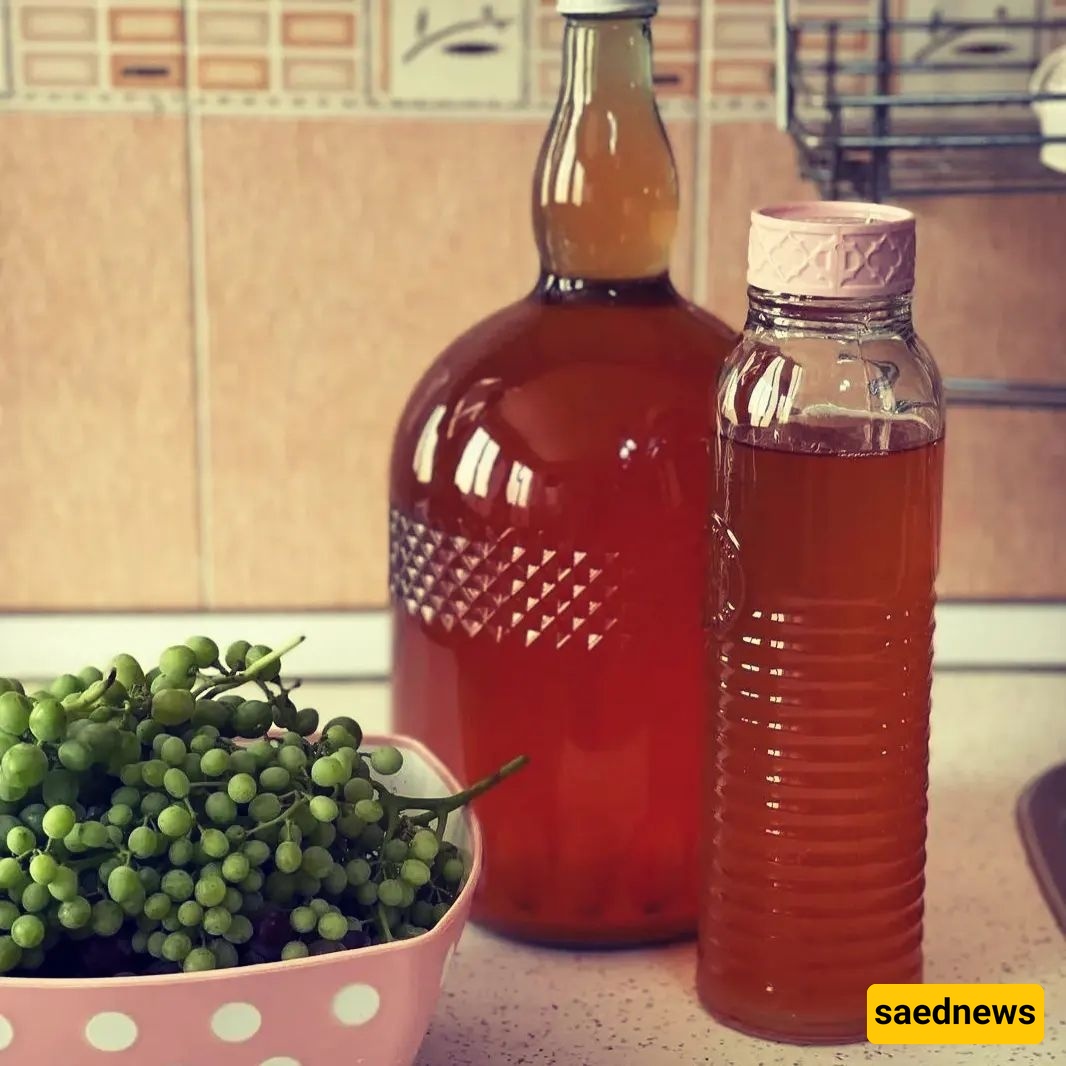
According to Saed News, the video you watched was selected from the YouTube channel Cooking with Nargol and shared for your reference.
Below, we explain the reasons homemade verjuice (unripe grape juice) can develop mold and provide practical solutions such as selecting healthy grapes, thoroughly sterilizing bottles, boiling or pasteurizing the juice, proper bottling techniques, and correct storage methods.
We also highlight some lesser-known but highly effective tips that are often overlooked yet can make a significant difference. Here’s a detailed guide to keeping your homemade verjuice fresh.
Here are practical strategies to prevent mold in homemade verjuice:
1. Choose Healthy Grapes — Half the Work Is Done
Selecting fresh, firm, and unblemished grapes is one of the most important steps for successful verjuice. Even minor surface blemishes may seem harmless, but for best results, always use fully healthy grapes.
A single damaged grape can spoil an entire bottle, especially if stored in a warm environment.
2. Boil or Pasteurize for Longer Shelf Life
Boiling verjuice is a safe way to increase shelf life, particularly for larger quantities or long-term storage. Some prefer raw verjuice to retain its sharp, natural flavor. In such cases, more thorough sterilization of bottles and refrigerated storage is essential. Many households also store raw verjuice in small jars to encourage quick consumption and reduce the risk of spoilage.
3. Sterilized, Dry Glass Bottles — The Golden Triangle of Safety
Washing bottles with dish soap alone is not enough. For maximum safety, immerse them in boiling water for several minutes. Home methods such as using an oven or dishwasher with hot water can also work, provided the bottles are completely dry afterward. Even slight moisture can lead to mold within a week.
4. Prefer Dark Glass Bottles
Plastic bottles are not recommended. The acidity of verjuice can react with some plastics, releasing harmful substances. Glass bottles, especially dark ones, block light and extend the juice’s shelf life. Some people wrap clear glass bottles in cotton cloth to further protect from light.
5. Use Smaller Bottles for Gradual Consumption
Small bottles are easier to handle and prevent frequent opening of large containers. Spoilage often occurs when a large bottle remains open in the fridge, allowing air and moisture to enter.
6. Add a Thin Layer of Salt, Vinegar, or Oil
While not everyone favors adding extra ingredients, a small amount of salt or vinegar can make the environment less hospitable to mold and fungi. Some cover the surface of verjuice with a thin layer of olive oil to limit air contact. This alone won’t prevent mold if the storage temperature is high, but combined with other methods, it helps.
7. Fill Bottles Near the Top, Seal Properly
Try to minimize air pockets when filling bottles. Less empty space reduces mold growth. Avoid tightening the cap excessively, as this can cause cracks or breakage, especially in warm conditions.
8. Store at the Right Temperature
Heat and direct sunlight are verjuice’s biggest enemies. Keep bottles in a dark, cool place, such as a fridge or lower kitchen cabinet. If space is limited, a basement or freezer may be used, but allow the bottle to gradually reach room temperature before use.
9. Check Bottles Regularly
Even after following all precautions, inspect bottles weekly. Mold may start at the bottom or under the cap, invisible at first. Sometimes the bottle looks fine, but the verjuice tastes bitter—a sign that spoilage may have begun.
Q1: Why does my verjuice mold quickly, even in the fridge?
Air entering the bottle is a major factor. Repeated opening lets in air, and plastic or non-sterile bottles can worsen the problem. Temperature fluctuations also promote mold growth. Use small, dark glass bottles and ensure they are completely sterile and dry.
Q2: Can I store verjuice without boiling or pasteurizing?
Yes, but extra care is needed. Use sterile glass bottles, fill completely, seal tightly, and store at a consistent cool temperature.
Q3: Will adding salt or vinegar change the taste?
If added in small, balanced amounts, the taste impact is minimal while helping prevent mold. Start with a little and adjust to taste.
Q4: How can I tell if verjuice has gone bad?
Signs of mold or spoilage include changes in color, white or green layers on the surface, unpleasant odors, and an unusually bitter or sour taste. In these cases, do not consume.
Use tightly sealed bottles: Prevent air entry but avoid over-tightening to prevent cracks during expansion.
Avoid heavily sedimented verjuice: Excess sediment can harbor microbes; gently shake before use.
Clean the cap after each use: Residual liquid can foster mold even if the juice itself is fine.
Store in a cool, dry place: If refrigeration isn’t possible, keep away from direct sunlight.
Optional apple cider vinegar: A small addition can slightly prolong shelf life while keeping flavor mild and preventing mold.
Monitor consumption and shelf life: Make only as much as you can consume before expiration.