Saed News: If you are among those interested in vampires, you will surely find it interesting to know when the legend of vampires first became widespread among people.
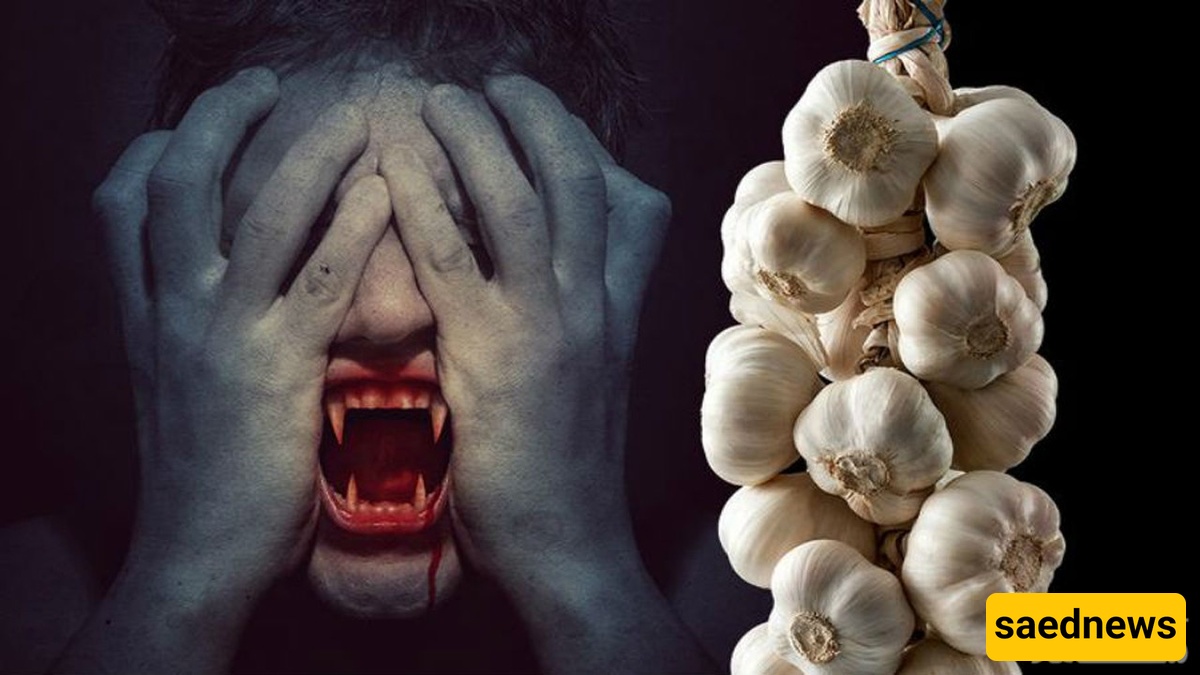
According to SAEDNEWS, quoting Simorgh, vampires are among the most enduring monsters. Diseases that affected our ancestors played a major role in shaping this creature.
Before the development of medical science, diseases were extremely frightening for people. Plagues and illnesses would suddenly spread, killing many and bringing death and misery. Besides the plague, there were other diseases (such as those transmitted from animals or genetic disorders) that could not be explained at the time. Instead, people turned to superstition. One of these diseases helped create one of the most lasting monster myths—vampires.
The vampire, who rises from his grave every night and drinks human blood, has existed since ancient Greece. Although some of our admired philosophers lived until the age of seventy, the average lifespan in ancient Greece was about twenty-eight years. In the centuries before hygiene, refrigeration, and antibiotics, diseases were far more common and deadly.
Since there were no microscopes to identify these invisible invaders, past societies explained such illnesses with supernatural beliefs. For example, consider porphyria. This disease affects the chemical structure of hemoglobin and disrupts its production. People suffering from it experience itching, rashes, and blisters when exposed to sunlight. In rare cases, gums recede and teeth appear unusually large. Their stool may turn a dark purplish color, resembling dried blood. Sensitivity to light could become so severe that patients lose parts of their ears and noses, making them resemble “Nosferatu,” the black-and-white horror film character.
However, cases with such severe symptoms were very rare—perhaps only around a hundred cases worldwide. But in isolated communities during the Middle Ages, where communication with the outside world was limited, the consequences were more severe. For example, Transylvania in Romania is a well-known case. The vampire legend spread from Eastern Europe toward the West.
Roger Luckhurst, who studied the history of vampire myths, traces their popularity back to the early 18th century. He says: “The first mention of the word ‘vampire’ dates back to the 1730s. Newspapers reported stories from remote parts of Europe about bloated corpses with fresh blood around their mouths being exhumed from graves. These reports came from rural areas.”
During disasters such as disease outbreaks and livestock deaths, villagers attributed them to wandering spirits that fed on the life force of the living. As a result, they would dig up the most recently buried bodies. Medical science was so primitive that people did not understand how bodies naturally decompose. Conditions like catalepsy could cause people to appear dead, with undetectable pulses, leading to premature burials. When such individuals woke up in graves, they likely bit themselves out of fear and hunger, possibly explaining the presence of fresh blood around their mouths.
Most societies at the time kept animals or lived near forests, so rabies was common, causing symptoms like fear of water and light, biting behavior, and hallucinations. Therefore, it is not surprising that legends of werewolves also emerged.