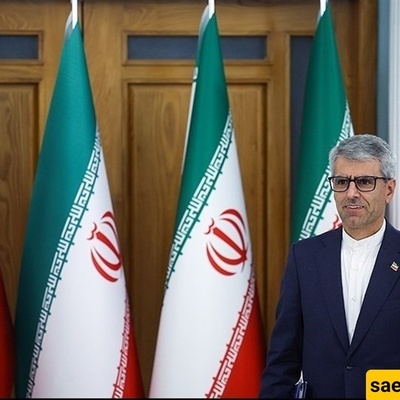
SAEDNEWS: Dr. Javad Mansouri says China avoids taking clear sides in conflicts to protect its national interests and maintain balance. He adds that Iran should focus on strengthening internal power and national unity instead of relying on allies.
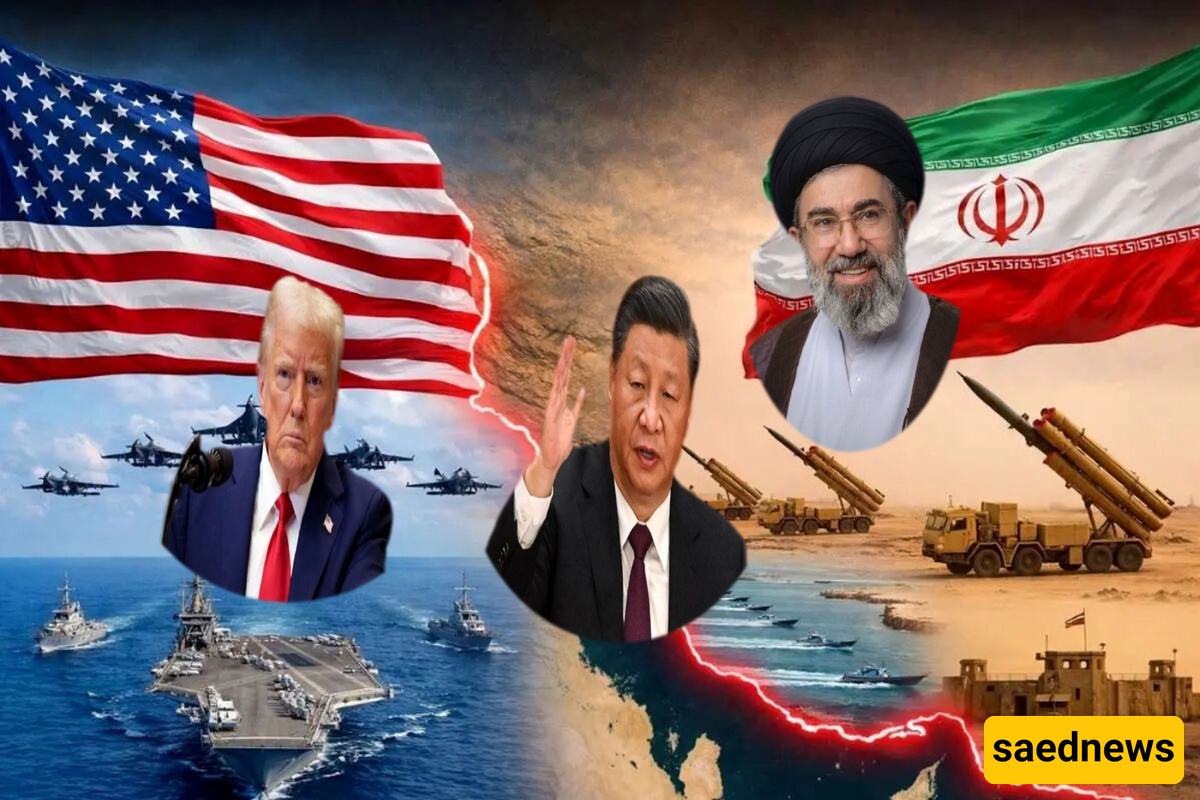
According to the political service of Saed News Agency, Dr. Javad Mansouri, former Iranian ambassador to China and Pakistan and member of the scientific council of the Tian Xia think tank, wrote in a note:
Dr. Javad Mansouri stated that China’s behavior toward developments in other countries and international issues is generally moderate and based on maintaining balance among different sides. In fact, China’s foreign policy is designed in a way that avoids provoking conflicting parties while ensuring that its own interests are not harmed in international disputes. This approach has been relatively consistent in Chinese foreign policy over the past four decades.
He explained the nature of Beijing’s diplomacy, saying that China’s foreign policy is less based on ideological judgments or binary divisions such as “right and wrong.” Instead, China usually seeks to maintain balanced relations in its interactions with various actors so it can cooperate with all sides while safeguarding its national interests. This model of governance and policymaking, however, is not applicable to all countries, as some governments define their national interests within ideological, ethnic, geographical, or racial frameworks.
Referring to China’s internal characteristics, Mansouri noted that due to its vast geography, ethnic diversity, and religious plurality, China tries to avoid taking explicit sides in international conflicts. Its main goal is to maintain an active global role while avoiding being accused of supporting one side or opposing another. This approach has also been observed in China’s relations with Iran after the Islamic Revolution, where China has consistently tried to maintain ties with all parties.
The international affairs expert added that China believes the world should gradually move toward one based on peace and development, where domination by force, capital, or ideology does not determine outcomes. Accordingly, it is not expected that China will explicitly take sides or condemn any party in the ongoing conflict against Iran. Instead, it may attempt to reduce tensions, for example by encouraging de-escalation, stopping violence, or promoting compromise.
Mansouri further stated that experience shows China has not played a decisive role in ending many international conflicts. Examples can be seen in some wars and crises in Africa, Latin America, the Middle East, and even East Asia, where China has mainly sought to maintain its diplomatic presence but has not been able to play a final role in resolving disputes.
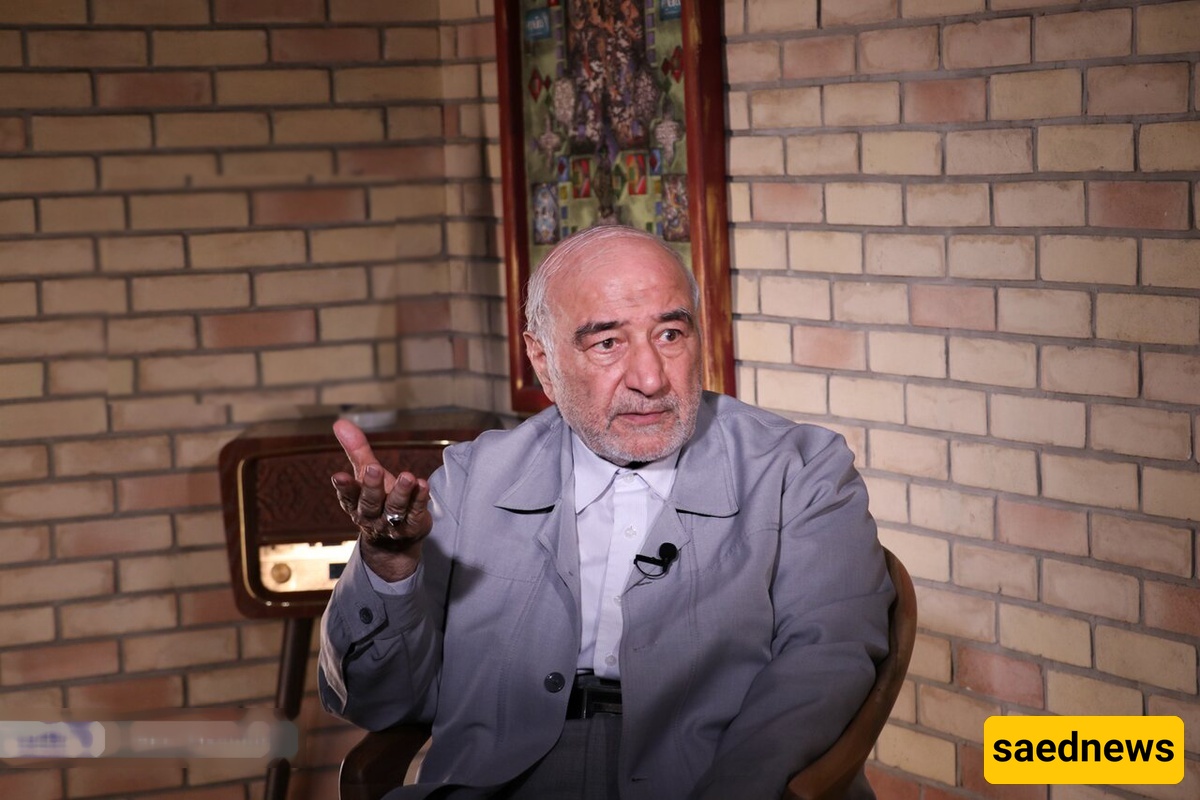
Referring to Beijing’s diplomatic mediation efforts, he pointed to the agreement between Iran and Saudi Arabia brokered by China, which raised hopes for regional security cooperation. However, this process did not lead to lasting results, as some analysts believe major powers such as the United States and Israel have obstructed such developments.
Analyzing the broader dimensions of the crisis, Mansouri emphasized that current developments are not merely a limited regional conflict but are linked to broader power equations in the international system. Some analysts even cite Bill Clinton as saying that while the United States could remain a dominant power if it withdrew from many parts of the world, it could not maintain that status if it left the Middle East. From this perspective, the main issue in many regional developments is competition over maintaining or changing the balance of power in the international system. Therefore, ending such conflicts is not simple unless fundamental changes occur in the global structure—changes that are likely to be gradual and met with resistance from major powers.
He concluded that under such circumstances, the most important strategy for the Islamic Republic of Iran is to preserve and strengthen components of national power, including political authority, economic capacity, and social cohesion. He also stressed that national governance must be prepared to deal with long-term challenges.