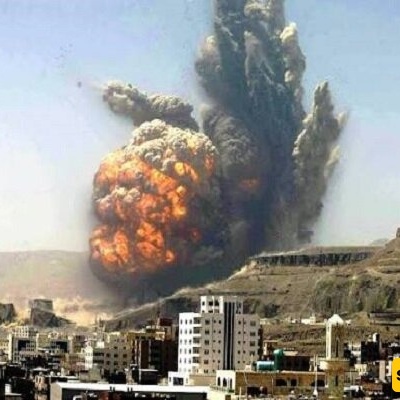
SAEDNEWS: Strait of Hormuz Closure Triggers Parts Supply Crisis for Toyota
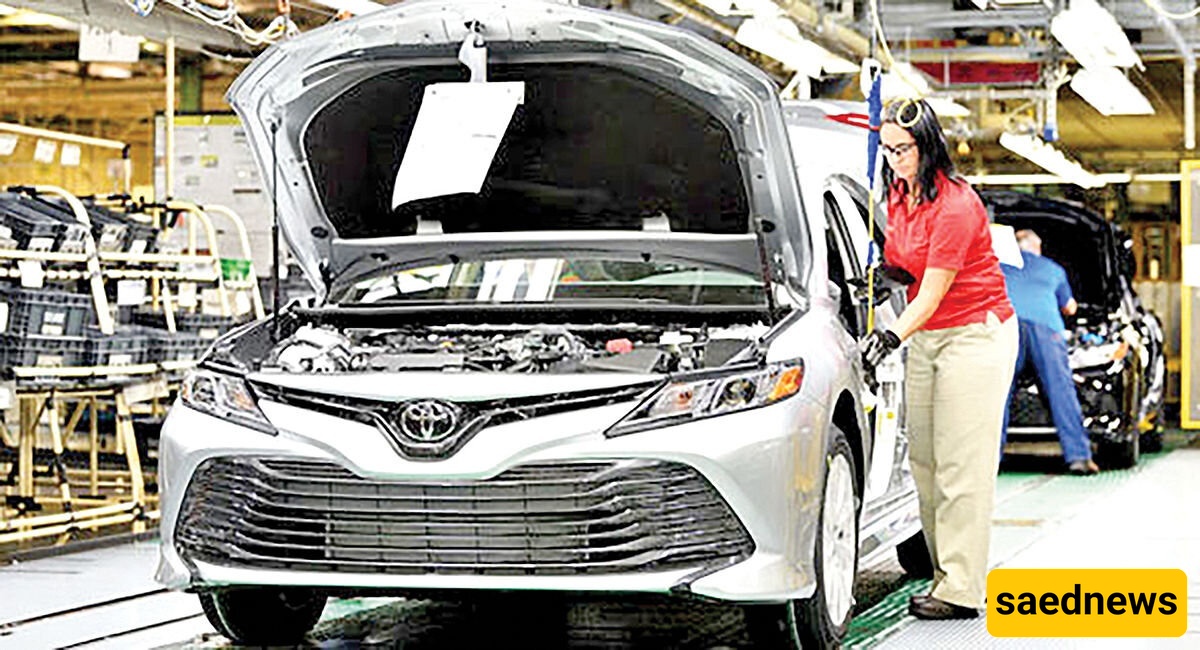
According to Saednews, a report by Hafteh Sobh citing Bloomberg, escalating conflict in the Middle East and disruptions around the Strait of Hormuz are now affecting the global automotive supply chain, including Toyota—the world’s largest car manufacturer.
The report claims that Japanese automakers, particularly Toyota, are facing serious supply chain interruptions due to instability in the Strait of Hormuz. Small parts suppliers have warned Toyota management that they may be unable to fulfill orders within the next two weeks.
A key vulnerability is Japan’s heavy dependence on imported aluminum from the Middle East, estimated at around 70% of total supply. Since the onset of the conflict, aluminum prices have reportedly increased by 13%, while petrochemical materials are expected to rise by up to 15%.
Toyota’s Toyota City plant, which assembles thousands of vehicles daily, is said to be at risk of production limitations due to aluminum shortages. The disruption is linked to restricted maritime access through the Strait of Hormuz, which has reportedly delayed or halted shipments from key suppliers in the Gulf region.
Major aluminum suppliers cited include Emirates Global Aluminium (UAE) and Alba (Bahrain). With shipping routes disrupted, deliveries are either delayed or rerouted via longer and more expensive paths such as around the Cape of Good Hope.
Toyota is estimated to consume around 2.5 million tons of aluminum annually, used in vehicle bodies, wheels, engines, suspension systems, and radiators—especially in lightweight electric and luxury vehicles.
Denso, one of Toyota’s largest suppliers of electronic and climate-control components, has reportedly warned of a potential $280 million impact due to the conflict. Increased input costs are expected to be passed along the supply chain, ultimately affecting Toyota.
Despite the pressure, Toyota has not yet halted production. The company is reportedly relying on strategic reserves and alternative suppliers in countries such as Australia and India to maintain operations. However, these reserves are expected to last only two to three weeks.
The report outlines several possible outcomes depending on the duration of the disruption:
Short-term reopening (2–3 weeks): Supply chains recover, but prices remain elevated, potentially forcing Toyota to raise vehicle prices by around 5%.
Medium-term disruption (1–2 months): Toyota may shut down lower-margin production lines and focus on high-demand models such as the Corolla, Camry, and RAV4, with price increases of around 10%.
Long-term closure (months): Prolonged closure of the Strait of Hormuz could lead to widespread production shutdowns, severe economic impact on Japan’s export-driven economy, rising unemployment, and sharp declines in Toyota’s stock value.
Analysts suggest Toyota may consider diversifying its production and supply chain further, potentially relocating some operations to countries with more stable access to raw materials, such as India or Turkey. However, such transitions would take time and significant investment.
The Strait of Hormuz is increasingly being viewed not only as a critical global oil transit route but also as a vital artery for industrial supply chains, particularly in automotive manufacturing. If disruptions continue, the global auto industry—and Toyota in particular—could face one of its most serious supply shocks in decades.