SAEDNEWS: Islamic Etiquette for the Wedding Night – Wedding Night Customs in Islam, Marriage Traditions, Bride and Groom, Recitation of Takbir
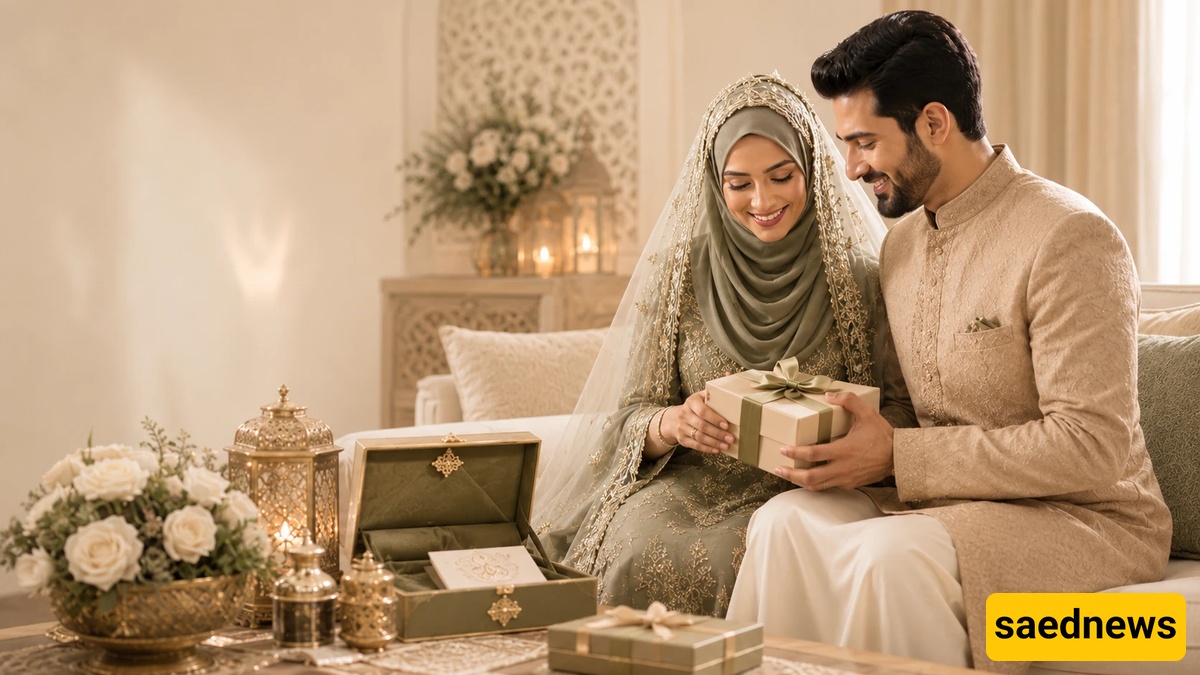
According to Saednews, Islamic Etiquette and Recommended Practices for the Wedding Night:
1. Perform Ablution (Wudu)
The bride and groom should both perform ablution before proceeding.
2. Reciting Takbir on the Wedding Night
Unlike the customs of the pre-Islamic era—which, unfortunately, some people in our time still follow, turning the wedding night into an occasion of immorality, shamelessness, and sin—in Islam, the first constructive act of married life begins with the proclamation of “Allahu Akbar” (God is the Greatest).
3. Performing Two Units of Prayer (Rak‘ahs)
Performing this prayer with humility, devotion, and the following supplication is considered highly beneficial for the future of the bride and groom:
Supplication:
“O Allah, grant me my wife’s affection, love, and contentment with me, and grant me contentment with her. Bring us together in the best possible union and bless us with the finest harmony, for You love what is lawful and dislike what is forbidden.”

4. Reciting Supplications and Prayers
Supplications and prayers are recited after performing the wedding-night prayer.
5. The Groom Placing His Hand on the Bride’s Forehead
After the bride enters the bridal chamber, the groom should stand facing the Qibla (the direction of the Kaaba in Mecca), place his hand on the bride’s forehead, and offer the following supplication for himself, his bride, and their future children:
Supplication:
“O Allah, I have taken this woman into my care as a trust from You, and through Your words, she has become lawful for me. If You decree that I have a child with her, make that child righteous, blessed, and sound in faith, and do not allow Satan to have any share in the child.”