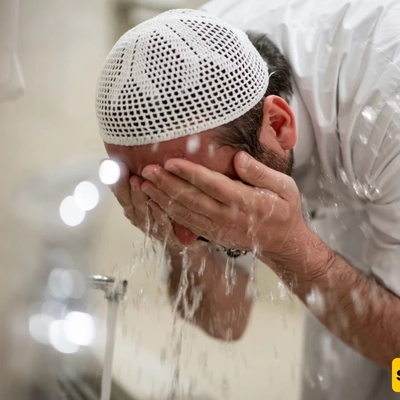
SAEDNEWS: Washing and performing ablution (Wudu) for an injured part of the body that is bleeding, when water does not cause harm to the wound, has specific rulings. In this article, we discuss these rulings and explain what you need to know.
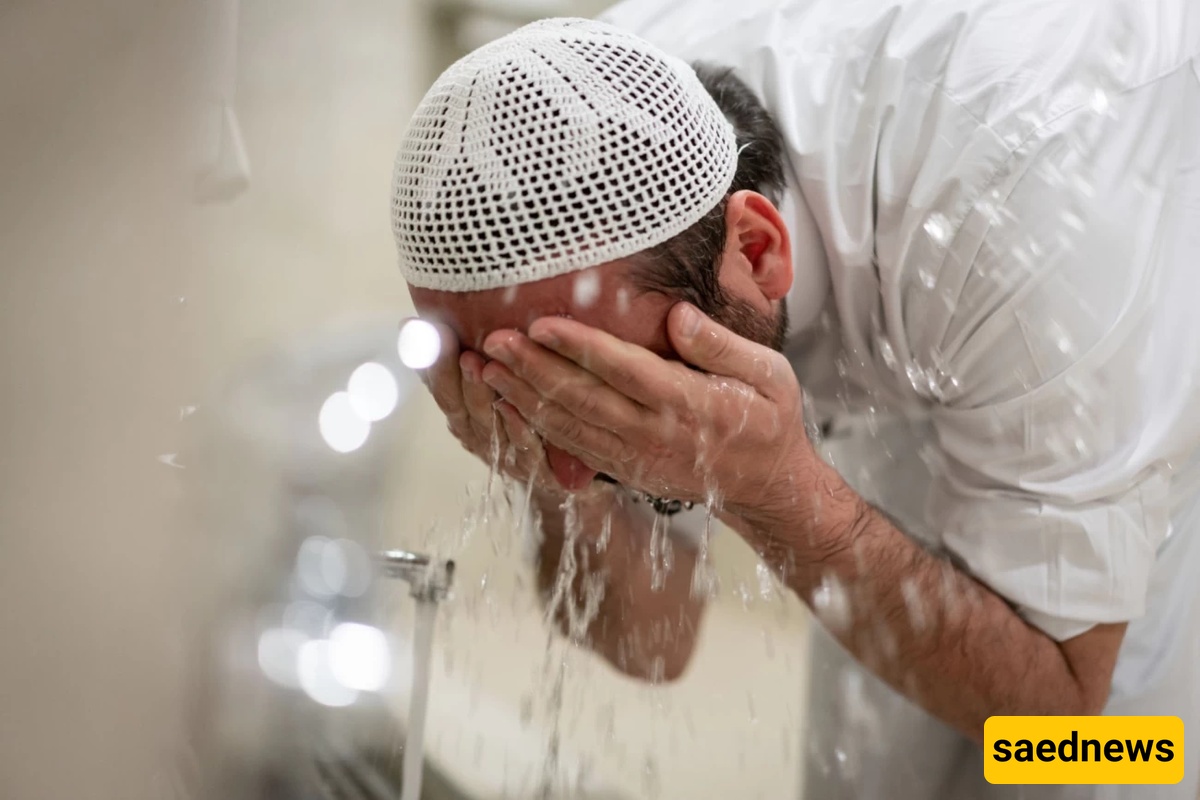
Accoridngt o Saednews, Ablution with a Wound That Continues to Bleed
Question: If there is a wound on the area that must be washed during ablution, and the bleeding does not stop, but water does not harm the wound, what should one do when performing ablution?
Answer:
Ayatollah Khamenei and Ayatollah Makarem Shirazi:
The person should immerse the wound in still or running water and apply some pressure until the bleeding stops. Then, that limb should be washed by immersing it in water as part of ablution. If the bleeding does not stop, the wound should be covered, and ablution with a bandage (jabirah) should be performed.
Ayatollah Sistani:
After washing the unaffected parts of that limb in the prescribed order, the person should immerse the wound or cut in still or running water and apply some pressure until the bleeding stops. Then, while the wound is under water, the person should place a finger over it and move the finger from top to bottom, allowing water to flow over the wound. The parts below the wound should then be washed.
Related:
During ablution and ritual bathing, there must be no barrier preventing water from reaching the skin. Therefore, substances such as ink from a ballpoint pen, rollerball pen, fountain pen, or marker can invalidate ablution if they form a layer that prevents water from reaching the skin.