SAEDNEWS: Final Resting Places of Famous Iranian Figures Beyond Iran’s Borders
According to Saednews, Iranian figures in literature and culture are among the country’s most distinguished and enduring personalities. Some of them spent their final years away from their homeland and were laid to rest in foreign lands. Iran has long been a birthplace of influential figures in literature and culture whose legacy extends far beyond its borders.
Several renowned Iranian poets, writers, philosophers, and scholars are buried outside modern-day Iran. Their tombs have become important cultural and historical sites for admirers of Persian literature and art. Below is an overview of some of these notable figures and the locations of their final resting places.
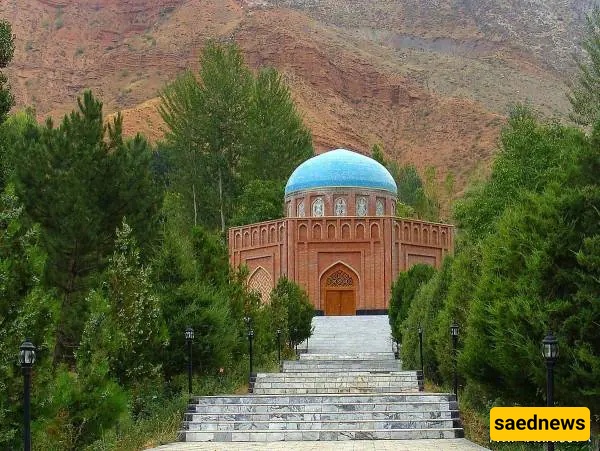
Abu Abdollah Rudaki was one of the earliest celebrated Persian-language poets of the Iranian cultural world. He lived during the Samanid period in the 4th century AH and is widely regarded as a pioneer of Persian poetry and one of the founders of the Khorasani poetic style.
Rudaki was not only an accomplished poet but also had considerable expertise in music.
His tomb is located near the village of Panjrud, close to Panjakent in Tajikistan, approximately 170 kilometers north of Dushanbe.
Khwaja Abdullah Ansari was a prominent Persian literary and spiritual figure who was born in Herat, in the historical region of Khorasan, during the 5th century AH.
He became particularly renowned for his eloquence, poetry, and influential writings in Arabic and Persian, especially his works devoted to prayer, praise, and devotion to God.
Among his best-known works are Munajatnama, Nasayeh, Zad al-Arifin, Kanz al-Salikin, Qalandarnama, Mohabbatnama, Haft Hisar, Risala-ye Del-o Jan, Risala-ye Varedat, and Elahi-Nama.
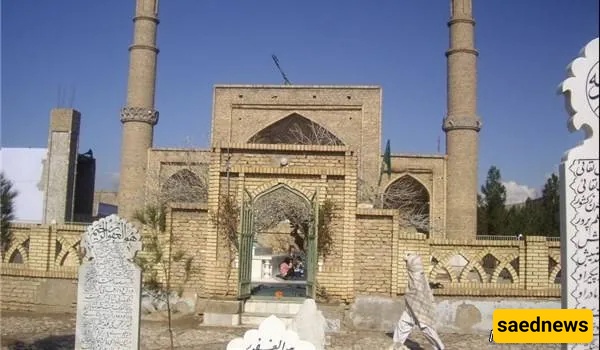
Khwaja Abdullah Ansari was buried in his birthplace, the city of Herat.
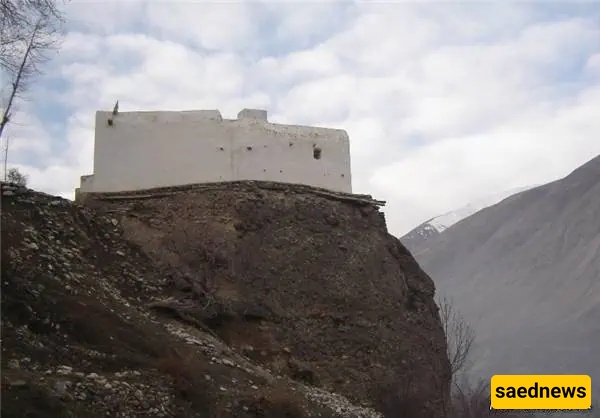
Nasir Khusraw Qubadiyani was a major Persian poet, philosopher, scholar, and traveler. He was born in the 5th century AH in Qubadiyan, a region associated with Balkh.
His tomb is located in Badakhshan in northern Afghanistan.
Nasir Khusraw is considered one of the important poets and writers of Persian literature, with significant contributions to philosophy and intellectual thought. His writings are regarded as an important part of the Persian literary and cultural heritage.
His surviving works include a collection of Persian poetry as well as several celebrated books, including Safarnama, Jami al-Hikmatayn, Zad al-Musafirin, Khan al-Ikhwan, Roshana'i-Nama, Saadat-Nama, and Dalil al-Motahayyirin.
Hakim Abu al-Majd Majdud ibn Adam Sanai was one of the major Persian Sufi poets and an influential writer of qasidas and masnavis. He was born in Ghazni during the 6th century AH.
His tomb is located north of present-day Ghazni, near the western side of the city's historic area.
Among Sanai's best-known works are his collection of qasidas, ghazals, quatrains, fragments, and individual verses, as well as Hadiqat al-Haqiqa, Seyr al-Ebad ila al-Maad, and Karnameh-ye Balkh.
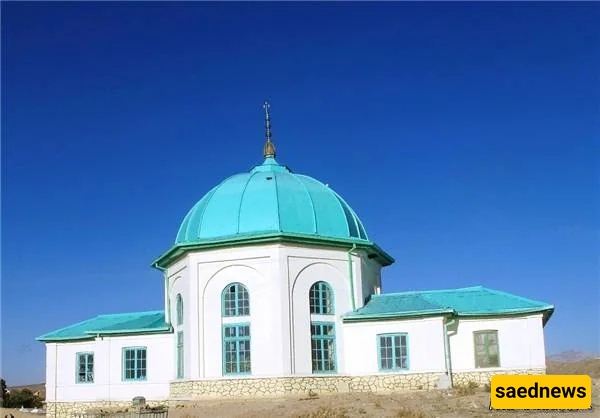
Shihab al-Din Yahya al-Suhrawardi, also known as Shaykh al-Ishraq, was a renowned Iranian philosopher and founder of the Illuminationist school of philosophy. He was born in the province of Zanjan.
His tomb is located in Aleppo, Syria.
During his travels, Suhrawardi eventually reached Aleppo, where he was killed following accusations and suspicions surrounding his teachings and activities.
Among his best-known philosophical works are Hikmat al-Ishraq, Risalat al-Ishq, al-Talwihat, al-Mashari wa al-Mutarahat, al-Muqawamat, and al-Lamahat.
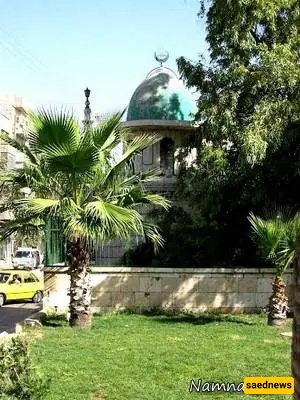
Jalal al-Din Muhammad Rumi, commonly known as Rumi or Mawlana, was one of the most influential Persian-language poets. He was born in Balkh, which at the time was part of the broader historical region of Khorasan, during the 7th century AH.
His tomb in Konya, Turkey, is one of the city's most famous historical and cultural landmarks.
Among the best-known episodes associated with Rumi's life is his meeting with Shams of Tabriz, the profound spiritual relationship that followed, and Shams's subsequent disappearance, which deeply affected Rumi's life and poetry.
Rumi's major works include the Masnavi, the Divan-e Shams, his Rubaiyat, Makatib, Fihi Ma Fih, and Majalis-e Sab'a.
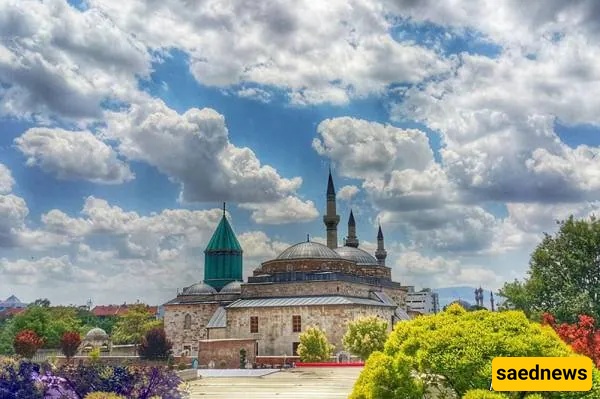
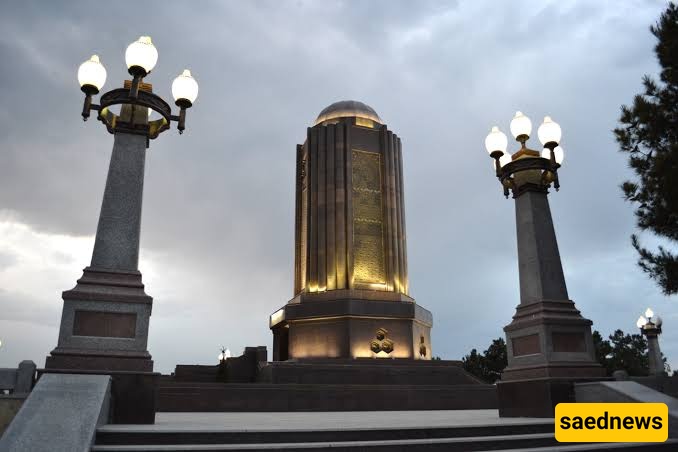
Hakim Nizami Ganjavi was a celebrated Persian-language poet who lived during the 6th century AH. He is regarded as one of the major figures in Persian narrative poetry.
His tomb is located in the city of Ganja, in present-day Azerbaijan.
Nizami's most famous work is the Khamsa, or Panj Ganj (“Five Treasures”), a collection of five narrative masnavis that took many years to complete.
The five poems are:
Makhzan al-Asrar (The Treasury of Mysteries)
Khosrow and Shirin
Layla and Majnun
Haft Paykar (The Seven Beauties)
Eskandar-Nama (The Book of Alexander)
A collection of Nizami's qasidas and ghazals also survives.
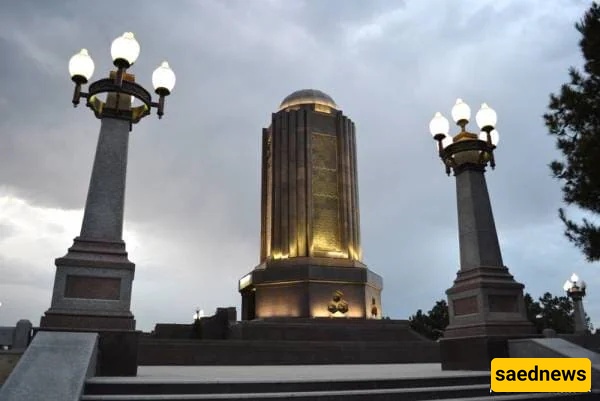
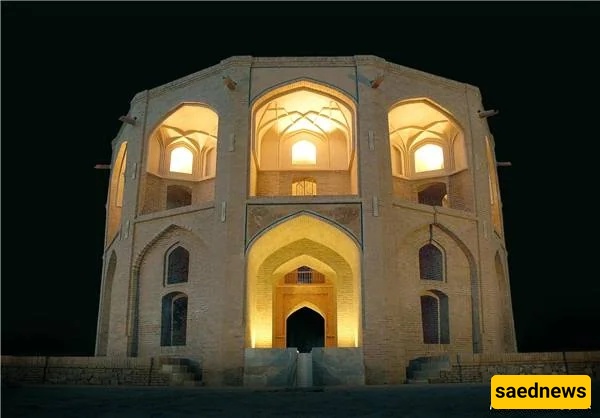
Nur al-Din Abd al-Rahman Jami was a renowned Persian poet, musician, and literary scholar who was born in Herat during the 9th century AH. He was given the title “Khatam al-Shu'ara,” meaning the Seal of Poets.
His tomb is located in the northwestern part of Herat.
Jami left behind a large body of poetry and prose. Among his most important works is his three-part collection of poetry, consisting of Fatihat al-Shabab, Wasitat al-Iqd, and Khatimat al-Hayat.
Another major work is the Haft Awrang (“Seven Thrones”), a collection consisting of seven masnavis.
These tombs, spread across Central and West Asia, reflect the wide geographical reach of Persian literature and the enduring cultural legacy of figures whose works continue to be studied and admired centuries after their deaths.