SAEDNEWS: Many iconic dishes were not created for luxury tables but for ordinary people trying to make the most of limited ingredients. Their journeys from hardship to national pride reveal how food can preserve history, identity, and creativity.

According to SaedNews, some of the world’s most famous foods began as practical solutions to poverty, scarcity, and everyday survival. Long before appearing on restaurant menus and becoming symbols of national identity, these dishes were created by farmers, workers, migrants, and families who needed affordable meals that could feed many people.
Over time, social changes, migration, tourism, and culinary creativity transformed these simple foods into cultural treasures.

Modern pizza is strongly associated with Italy, especially Naples, but its early history was connected to working-class life. Flatbreads topped with simple ingredients existed in many Mediterranean cultures, while Neapolitan pizza developed as an inexpensive food sold to ordinary people.
For many poor Neapolitans, pizza was attractive because it was cheap, quick, and made with accessible ingredients such as dough, tomatoes, oil, and herbs. Tomatoes themselves had a long journey before becoming central to Italian cooking after arriving from the Americas.
The dish later gained international prestige through migration and changing attitudes toward working-class cuisine. Today, pizza represents Italian identity worldwide, even though its origins are rooted in simplicity rather than luxury.

Few foods are more closely linked with Japan today than ramen, yet its history reflects cultural exchange and economic hardship.
Ramen developed from Chinese-style wheat noodle dishes introduced to Japan, particularly through communities and ports where Chinese immigrants lived and worked. Early versions were affordable meals associated with ordinary workers rather than elite cuisine.
After World War II, ramen became even more important because Japan faced food shortages and people needed inexpensive, filling meals. Over decades, regional varieties appeared, from miso ramen in Hokkaido to tonkotsu ramen in Kyushu.
What began as a practical bowl of noodles eventually became a symbol of Japanese creativity, with specialist restaurants and global fans celebrating its complex broths and techniques.

Polenta is now served in restaurants around the world, sometimes alongside expensive ingredients such as seafood, truffles, or slow-cooked meats. Historically, however, it was closely connected with rural poverty in northern Italy.
Made from cornmeal, polenta was inexpensive, filling, and easy to prepare. For generations, it provided essential calories for farming communities that could not regularly afford wheat bread or meat.
Its transformation reflects a wider change in how societies view traditional foods. Dishes once associated with hardship are often rediscovered because of their simplicity, connection to local agriculture, and cultural meaning.
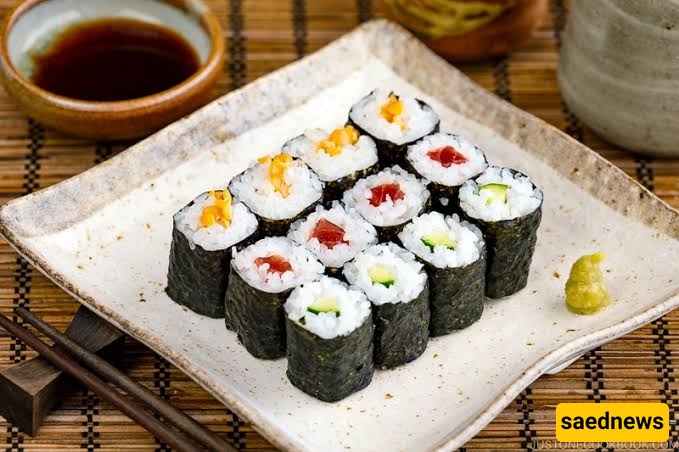
Today, sushi is often viewed as an elegant Japanese cuisine, but its origins are much more practical.
Early forms of sushi developed as a preservation technique in which fish was fermented with rice. Over centuries, the dish changed, especially in Japan, where vinegar rice and fresh seafood helped create the forms recognized today.
Modern sushi became associated with craftsmanship and precision, but its beginnings were connected to ordinary people finding ways to preserve food before refrigeration.
Its story shows how necessity can inspire techniques that later become artistic traditions.

Tacos began as a flexible, practical meal built around one of Mexico’s most important ingredients: corn. For generations, tortillas provided an affordable foundation for workers and families, filled with whatever ingredients were available.
The taco’s strength was adaptability. Different regions developed their own versions using local meats, vegetables, seafood, and sauces. Over time, street vendors, restaurants, and Mexican communities abroad helped transform tacos into one of the world’s most recognizable foods.
The rise of these dishes reveals an important truth about food history: national treasures are often created not by wealth, but by creativity under pressure.
A meal born from necessity can carry memories of communities, landscapes, and generations. What begins as “poor people’s food” may eventually become a symbol of national pride shared around the world.