SAEDNEWS: Ramadan in Ilam Province has long been associated with special traditions that have been practiced since ancient times. Despite the passage of time, many of these customs and rituals have remained largely intact. In this article, we will become familiar with these cultural practices.
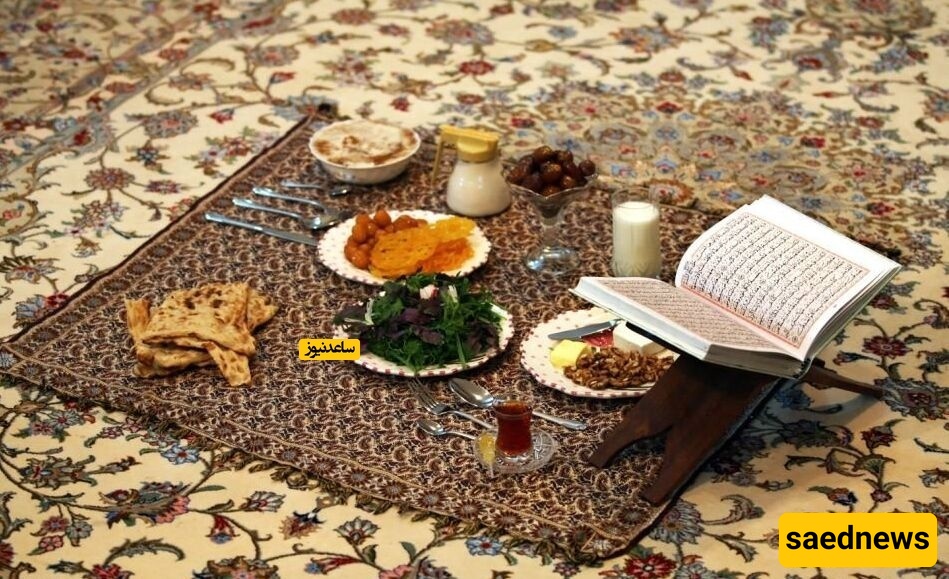
According to Saednews, The customs and traditions of the holy month of Ramadan are an important part of cultural life. Since these practices are rooted in religious beliefs, they receive widespread attention. During Ramadan, people collectively prepare themselves to fulfill their religious obligations, and different communities and groups observe the month with their own special rituals and ceremonies.
From the middle of the month of Sha’ban, the atmosphere of all cities and villages in Iran begins to change. People become busy preparing themselves for the arrival of Ramadan—the month of worship, abstaining from sin, spiritual purification, and drawing closer to God. In the days leading up to Ramadan, people thoroughly clean their homes, neighborhoods, shops, caravanserais, marketplaces, stalls, religious gathering places (tekyehs), mosques, Hussainiyas, and even public bathhouses. Preparing essential supplies for the holy month is also considered part of the welcoming rituals of Ramadan.
Ilam is a Kurdish-populated province, and therefore shares many cultural similarities with the people of the Zagros region. However, since nearly the entire population of the province is Shia Muslim, they observe a wide range of religious and national traditions throughout the year.
For example, all people in Ilam honor the holy month of Ramadan and are committed to fulfilling its religious duties. However, each community has its own local customs related to the month. It should be noted that some of these traditions have faded over time due to changes in lifestyle, while others are still practiced today.
In the past, to ensure people would not oversleep and could wake up before dawn for the pre-fast meal (Sahari), designated individuals were responsible for waking the community. Historical records show that in many parts of the province, people known as “jarchis” walked through the alleys beating drums to wake residents.
Sighting the crescent moon of Ramadan was also considered a joyful and auspicious event. Reciting supplications and early-morning devotional chants were additional methods used to wake believers for the pre-dawn meal.
One of the Ramadan customs in Ilam Province is preparing traditional foods such as halim, various types of soup (ash), “Biji Bersaq,” “Kaleh Kenji,” sholeh zard (saffron rice pudding), wheat soup, and date syrup with local butter.
Families prepare their iftar tables with these dishes along with simple foods and invite friends and relatives to break their fast together. Offering iftar to close friends and relatives is an ancient tradition in Ilam that continues every year during Ramadan.
Hosts strive to offer the best possible hospitality to fasting guests. Many people also provide iftar meals during the middle of Ramadan to residents of underprivileged neighborhoods, honoring the birth anniversary of Imam Hasan al-Mujtaba (AS) and practicing the tradition of charity.
One of the most distinctive and important Ramadan traditions in Ilam is known as “Kas-e Hamshade.” In this practice, before sunset, people send the best portion of their iftar meal to a neighbor with lower financial means, sharing their Ramadan table with them.
Every year on the nights of the 19th and 21st of Ramadan, mourning ceremonies are held in mosques and religious centers. The nights of Qadr (Laylat al-Qadr) are observed with great devotion, and many people spend the entire night in worship and prayer until dawn.
On the final iftar of Ramadan, families gather and prepare the Fitr alms (Zakat al-Fitr), which is traditionally given by the head of the household. This alms is set aside to be delivered to a person in need before Eid prayer.
On Eid al-Fitr morning, people go early to mosques and prayer grounds to perform the Eid prayer. Visiting the graves of deceased relatives and engaging in family visits are also common customs on this day. In some rural areas, families host gatherings at home and women prepare the best possible meals to serve visiting guests.
In Ilam, during the nights of Qadr and the period of spiritual revival, it is customary to sacrifice a rooster in memory of deceased loved ones and prepare food from it to distribute among the needy. The tray used to carry this food is known as “Saj Ali,” symbolically referring to the generosity of Imam Ali (AS) during the blessed nights of Qadr.
On the morning of Eid al-Fitr, the people of Ilam prepare to attend local mosques and prayer grounds for the Eid prayer. After the prayer, they visit the graves of their departed loved ones and recite prayers for them. They also spend the day visiting relatives and strengthening family ties.
The blending of local traditions with religious customs during special occasions creates some of the most memorable cultural experiences over time. Recalling and repeating these traditions adds sweetness to collective memory.
It is hoped that during this blessed month of divine hospitality, everyone will make the most of spirituality, prayer, fasting, and recitation of the Holy Qur’an to prepare provisions for the afterlife.