Saed News: Color in the animal world is usually produced in two ways. The first is through pigments in the skin, hair, fur, or feathers that create different colors.
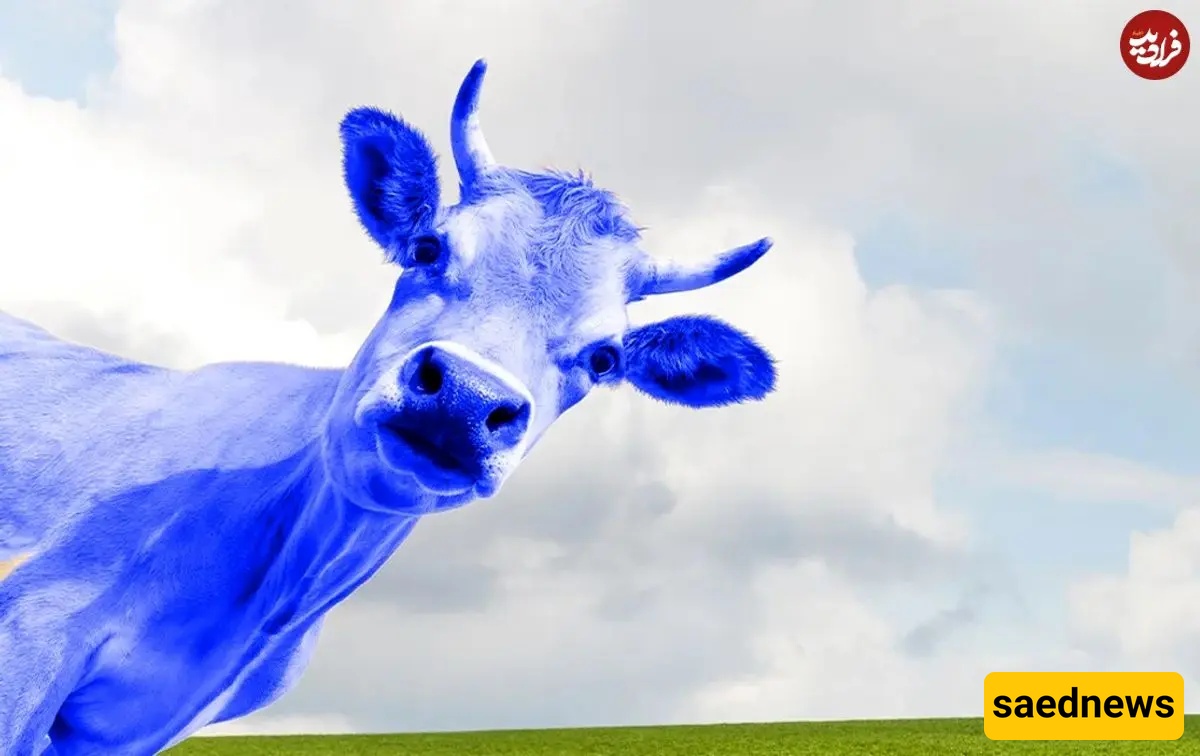
According to SAEDNEWS, one of the most important of these pigments is melanin, which mainly produces black color. In contrast, albinism refers to the absence of this pigment and causes an animal to appear completely white.
Other common pigments in mammals include eumelanin and pheomelanin. Eumelanin is responsible for brown and black colors, while pheomelanin produces a reddish or yellowish-brown tint—the same color seen in the red or yellow fur of some animals. The combination of these pigments can create variations in color intensity, stripes, and even color changes with age.
However, color can also be produced in another way: structurally. In this case, the structure of feathers or hair reflects light in a way that produces a specific color. This phenomenon is seen in many insects such as butterflies and also in birds.
Among mammals, primates may have the most diverse and complex coloration. However, the “blue monkey,” like other mammals with “blue” names—such as the blue whale or the blue maned deer—actually has a grayish-blue coat that only appears blue under certain lighting conditions. Therefore, its fur is not truly blue.
Shannon Farrington, Senior Keeper at the London Zoo, explains: “Mammals, like humans, have evolutionary limitations. Would having blue or green skin or pink eyes really help them survive? Many animals have evolved over thousands of years to become exactly what they need to survive.”
In mandrill monkeys, the unique facial colors are the result of internal cellular structures. The arrangement of protein fibers in the skin scatters light and creates a blue color. So again, there is no true blue pigment involved.
The same phenomenon is seen in the blue-colored belly of the vervet monkey. This effect is called the Tyndall effect, which explains why the sky appears blue. It was later also known as Rayleigh scattering. The same process explains why humans have blue eyes without having any blue pigment.
In conclusion, it seems that there is no truly blue mammal in nature. And if you are curious whether green mammals exist, Farrington gives a clear answer: no, there are also no truly green mammals.