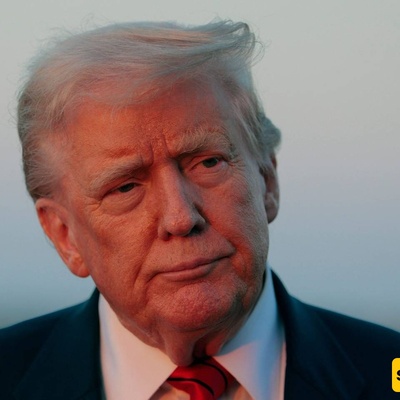
Saed News: Plans to build the first Trump Tower in Australia were canceled just three months after their announcement, and a local developer and designer said the reason was the “toxicization” of the Trump brand.
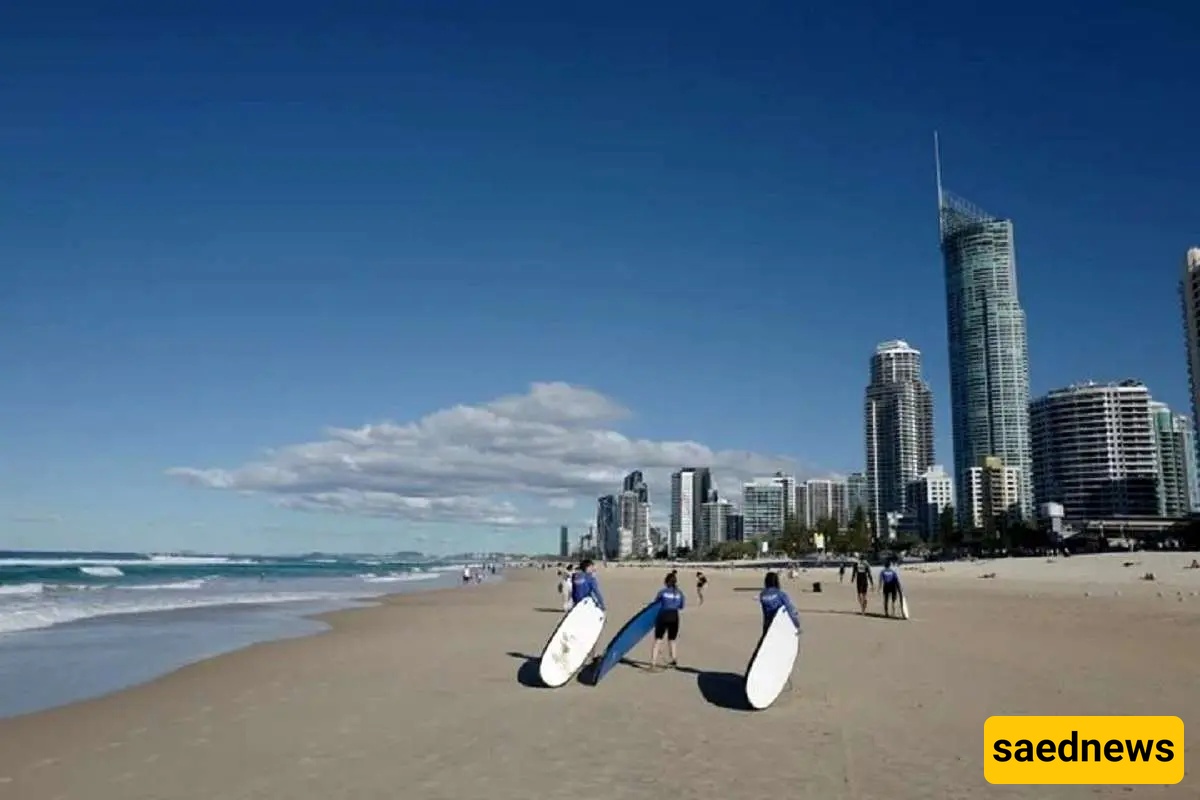
According to SAEDNEWS, David Young, CEO of the Altos property group, which was pursuing the construction of the Trump Tower on Australia’s Gold Coast, announced that the project would not proceed due to issues including developments in West Asia and the war involving Iran, which caused it to lose popularity among Australians.
According to ISNA, plans to build the first Trump Tower in Australia were canceled just three months after their announcement, and the local developer said the reason was the “toxicization” of the Trump brand.
CNN reported that David Young, CEO of Altos property group, said that “due to the war with Iran and other issues, the Trump brand was becoming increasingly unpopular in Australia.”
According to Altos’ February statement announcing the agreement, the Trump International Hotel and Tower on the Gold Coast was introduced as a 91-story building that would become the tallest tower in Australia, including a luxury 285-room hotel, a shopping center, restaurants, and residential apartments with designs specified by Donald Trump, the President of the United States.
The project faced strong backlash after being announced by Altos and the Trump Organization.
A petition to stop the project gathered more than 140,000 signatures. Its organizer told CNN in February that they were seeking a way to express opposition to “violence against immigrants” and “social division” in the United States.
The CEO of Altos recently stated in a LinkedIn post that the backlash against the Trump Tower was “very unfair,” but added that “the Trump brand has become toxic for Australians in this country.”
Meanwhile, the Trump Organization blamed the local developer for the failure of the project.
Kimberly Benza, Executive Director of Operations and Communications at the Trump Organization, said in a statement: “Altos Property Group, after months of negotiations and repeated promises regarding a hypothetical $1.5 billion project, failed to meet its most basic financial commitment at the time of execution of the agreement.”
She added: “Mr. Young’s attempt to cite global events as the reason for the cancellation is merely a tactic to divert attention from his own failures.”
The costly U.S. war against Iran has led to an energy crisis due to disruptions in traffic through the Strait of Hormuz, affecting many countries, including Australia, with fuel shortages and unprecedented price increases.
Australian Prime Minister Anthony Albanese had urged citizens during the war to change their energy and essential goods consumption patterns and use resources more efficiently.