Saed News: Ageism is a type of discrimination and incorrect way of thinking about elderly or older people. It is similar to racism and sexism. Some people see aging as something negative and unpleasant, which may lead them to mock or insult older individuals. Below, we discuss ageism in more detail.
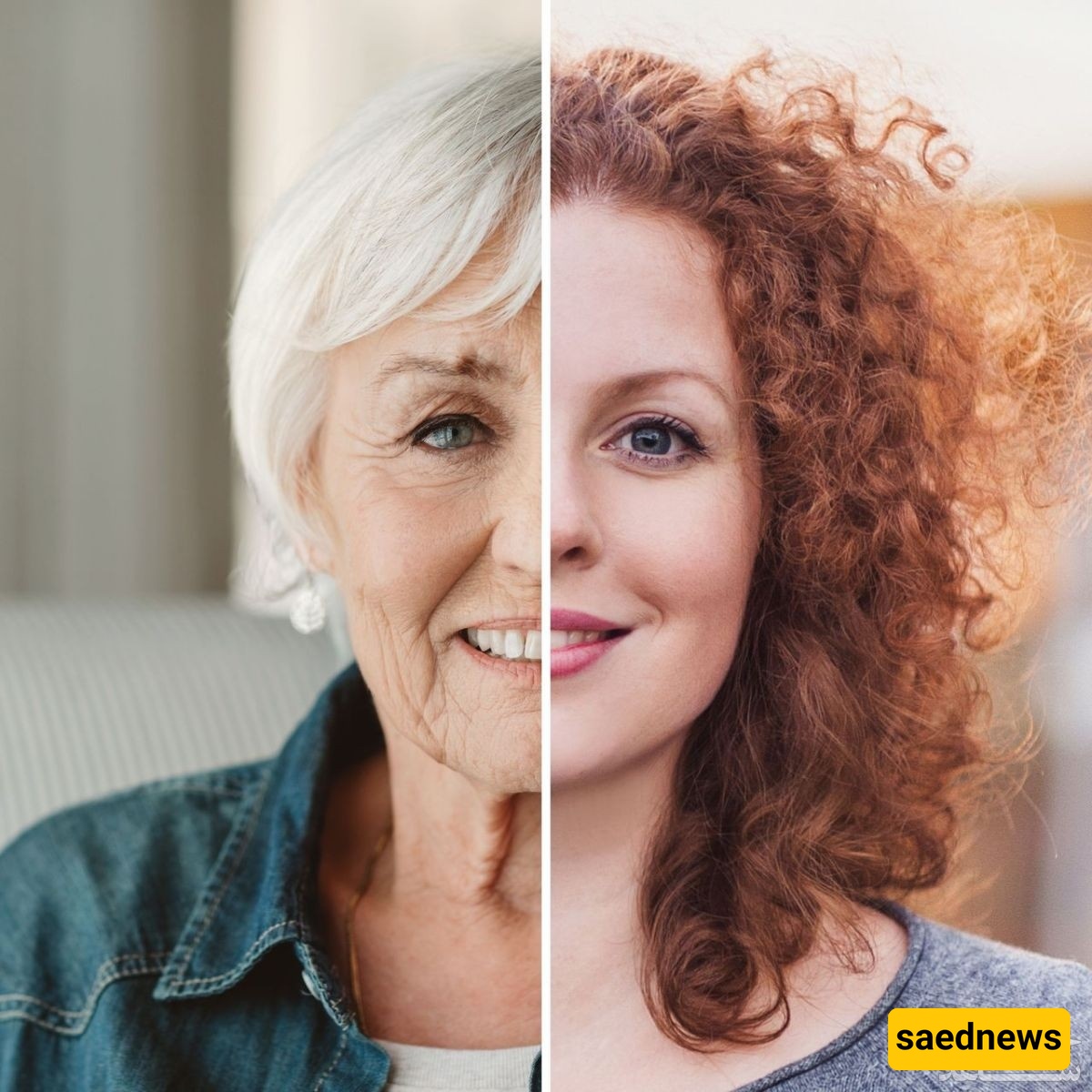
According to SAEDNEWS, the purpose of this article is to familiarize you with ageism and the stereotypes surrounding it. In general, ageism refers to incorrect beliefs, wrong attitudes, and unfair discrimination against older adults and elderly people. In fact, ageism is another form of racism and gender discrimination.
Ageism is prejudice or discrimination against people based on their age. It is usually directed toward older adults, but it can also affect younger people. Ageism negatively impacts both mental and physical health, and reports have linked it to premature death.
Ageism is a systematic form of oppression, but unlike other causes of injustice such as racism, sexual orientation discrimination, or ableism, anyone can experience it. Although it is widespread, people often do not take aging as seriously as other forms of inequality.
Ageism still exists and often happens unconsciously in workplaces, healthcare systems, and everyday life. It is a serious issue that should be addressed like other forms of discrimination. It includes accepting stereotypes and myths, avoiding interaction with older people, or even openly insulting and rejecting them. Like other cognitive biases, ageism has serious negative consequences and often leads to discrimination in housing, employment, and services.
Because older adults are among the most vulnerable groups, raising awareness about this issue and finding ways to combat aging discrimination has become increasingly important, although it is not easy.

The term “ageism” was first used by gerontologist Robert N. Butler to describe discrimination against older adults. Today, the term can apply to any type of age-based discrimination, whether against children, teenagers, adults, or the elderly.
The effects of ageism can be serious. While it was once considered a problem affecting mainly older people, there is now much more information about how age-based stereotypes and discrimination also affect youth and even children. Since the term was introduced, researchers have gained greater understanding of aging and its effects on people of all ages.
Ageism can range from small behaviors to outright discrimination. Some signs include:
Being excluded from a group such as school or work
Being denied promotion or salary increases
Being fired or forced into retirement
Negative comments about a person’s age
Being ignored or having your opinions dismissed
Losing benefits such as paid leave
Lack of access to learning opportunities
In our youth-centered society, most marketing budgets target people under the age of 50. Ironically, consumers with the highest disposable income are often over 50.
We are constantly bombarded with anti-aging advertisements. Birthday cards often associate aging with nearing death. When we become forgetful, we call it “the beginning of aging.” People lie about their age, dye their gray hair, and tell jokes that belittle the value and achievements of older adults.
Ageism appears in many forms. Examples in the workplace include:
Refusing to hire people above or below a certain age
Asking a person’s age in a job interview when it is irrelevant
Policies that unfairly favor one age group over another
Viewing older adults as unskilled, unproductive, lonely, or isolated
Seeing young people as inexperienced, irresponsible, or unreliable
Countries with larger populations of healthy older adults report lower levels of ageist attitudes, suggesting that ageism may be linked to health conditions and life expectancy.
Ageism seriously harms the health and well-being of older adults. It is associated with shorter life expectancy, faster cognitive decline, increased loneliness, and reduced access to education and employment.
Age can also affect healthcare. A 2020 systematic review found that in 85 percent of cases, age played a determining role in the types of treatment and medical procedures people received.
The World Health Organization estimates that 6.3 million cases of depression worldwide may be linked to the effects of ageism. The organization also notes that age discrimination often overlaps with other forms of discrimination, including racism, sexism, and discrimination against people with disabilities.
Ageism negatively affects both physical and mental health. It contributes to problems such as social isolation, poorer overall health, and reduced life expectancy. It also impacts people in schools, workplaces, and healthcare systems.
Due to the growing prevalence of this issue, especially in workplaces and social environments, many psychologists believe that ageism and age discrimination are as serious as other forms of social discrimination such as sexism, racism, and discrimination against people with disabilities.
One of the most important solutions proposed by experts is increasing public awareness. Researchers believe that if the general public becomes more familiar with the problems caused by ageism, society will be better able to reduce its harmful effects.
Another suggested approach is minimizing the negative perception of aging. With the growing elderly population, it is important to develop strategies that reduce the harmful effects of aging discrimination. This is why such solutions are becoming increasingly important today.