SAEDNEWS: Lebanese Parliament Speaker Nabih Berri ruled out any direct political negotiations with Israeli regime while its acts of aggression continue, pushing back against US and European pressure for Beirut to engage.
A delegation of ambassadors and representatives from United Nations Security Council member states met in Beirut with Lebanon’s president, prime minister, parliament speaker, foreign minister, and army commander.
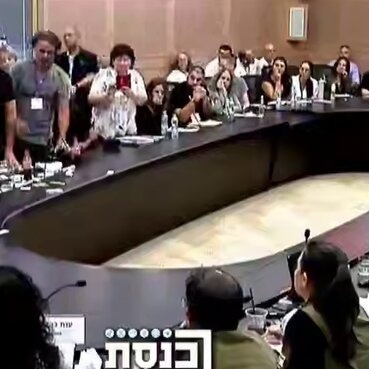
Separately, the group held what sources described as its most notable meeting with Speaker Nabih Berri, attended by eight ambassadors.
According to the Slovenian ambassador, the delegation’s goal was to explore “the best path to help Lebanon implement Resolution 1701” and to hear Lebanon’s perspective on the next phase.
Sources told the daily Al-Akhbar that U.S. envoy Morgan Ortagus spoke briefly during the meeting, noting that Washington views Lebanon’s recent steps toward implementing Resolution 1701 — including appointing a diplomat to lead Lebanon’s negotiating team — as positive.
After listening to the Security Council representatives, Berri provided a detailed account of conditions in southern Lebanon since the ceasefire resolution was issued, stressing that Lebanon has fully upheld its commitments while Israel continues unilateral military actions.
He said Israel “continues its occupation, attacks, and detentions of Lebanese citizens, and wants us to negotiate while under fire; this is something we will never accept.”
Addressing the delegation, Berri asked: “You say you are here to ensure proper implementation of Resolution 1701, so what are you doing to persuade Israel to comply? How do you intend to enforce this resolution when you have decided to end the mission of international forces in southern Lebanon? How does this approach align with your stated position?”
Berri noted that stability requires pressuring Israel to halt ceasefire violations and withdraw from Lebanese territory, especially now that the five-party monitoring committee has expanded its meetings.
He warned the delegation that Israel’s ongoing military operations would only heighten tensions and that “negotiations under fire are unacceptable and will never be accepted by Lebanon.”
Meanwhile, sources close to Berri denied claims that the Security Council team discussed any ready-made international alternative to fill a potential vacuum if the UNIFIL mandate ends.
In a separate development, sources who met Prime Minister Nawaf Salam said he had discussed with French President Emmanuel Macron and U.S. officials how to address a potential gap should UNIFIL withdraw, and had raised questions with visiting delegations about what should occur before the mission concludes.
The report noted that several ideas were put forward, including proposals pointing to the return of international forces. Some European representatives mentioned the possibility of deploying a United Nations force rather than a broader multinational contingent.
Some Lebanese political sources voiced concern that Salam’s position could be interpreted as tacit approval of a UN deployment — possibly signaling the government’s stance.
These sources cautioned against exposing Lebanon to another multinational force with a predetermined mission, recalling the 1982 precedent when such forces quickly aligned with the Israeli invasion.
In a related development, Hezbollah warned against offering any concessions to Israel.
Ehab Hamadeh, a member of Hezbollah’s Loyalty to the Resistance bloc, told Al Jazeera that more than a year had passed since the ceasefire and “Israel has not adhered to any of its provisions.”
Hamadeh said concessions to Israel would only embolden it “for further ambitions.”