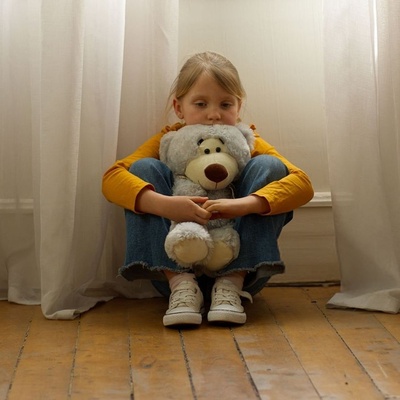
SAEDNEWS: Losing a pet can be as painful as losing a close friend, leading to deep grief, anxiety, guilt, and, in some cases, depression. Yet, this type of grief is often overlooked and not fully acknowledged.
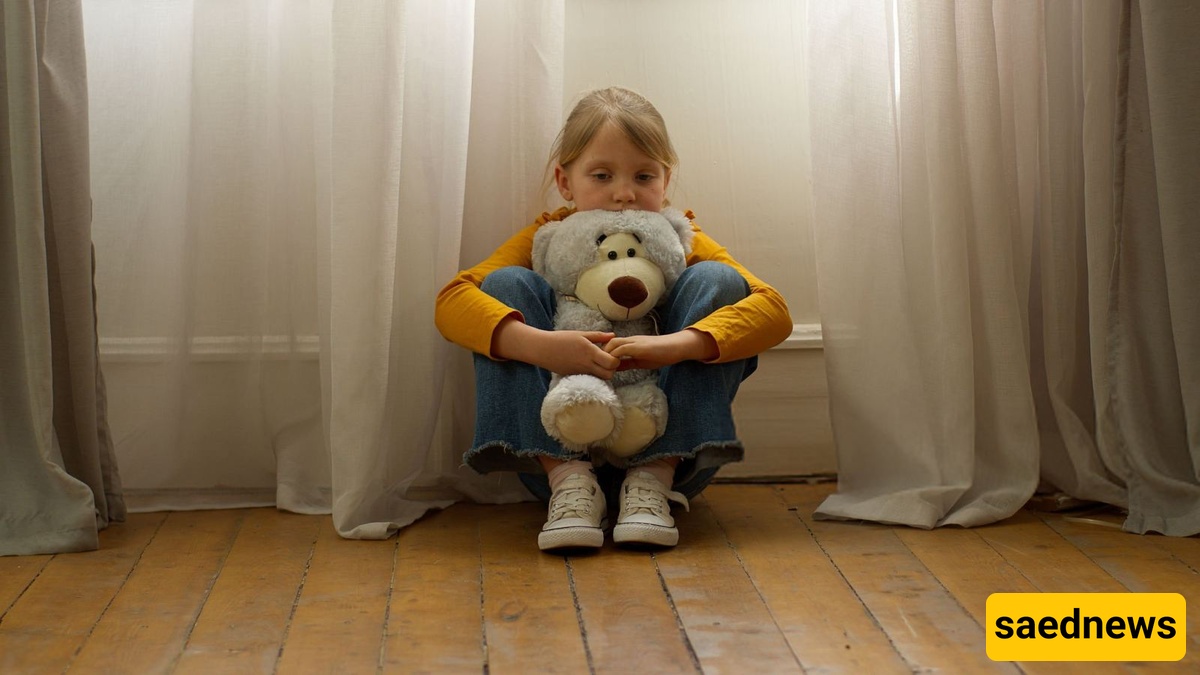
According to Saednews, Depression after the death of a pet is a deeply painful experience that many pet owners face, yet it is often overlooked or misunderstood. Losing a dog, cat, bird, or any other beloved companion can be just as heartbreaking as losing a close friend. A pet is more than just an animal; it is part of our daily routine, family, and emotional world. For this reason, their death can lead to profound grief, anxiety, guilt, and, in some cases, depression.
This article explores the causes, symptoms, differences between normal grief and depression, coping strategies, and when to seek professional help after losing a beloved pet.
The bond between humans and their pets is emotional, deeply personal, and often incredibly strong. In many households, pets provide companionship, comfort, entertainment, and a sense of responsibility. They wake us up in the morning, sit beside us when we are tired, and offer unconditional affection without judgment.
When a pet dies, we lose more than an animal. We also lose part of our daily routine, our sense of security, and a relationship built on unconditional love.
One of the biggest challenges is that many people around us do not take pet loss seriously. Comments such as "It was just an animal" or "You can get another one" can make the grieving person feel even worse.
This experience is sometimes referred to as disenfranchised grief, meaning grief that is not fully acknowledged or socially accepted. As a result, people may feel unable to express their sadness, leading to emotional isolation and potentially depression after the death of a pet.

Grief is a natural response to loss. Someone who has lost a pet may cry frequently, feel emotionally exhausted, experience changes in sleep or appetite, and spend a great deal of time thinking about their companion.
These reactions generally become less intense over time with emotional support and acceptance of the loss.
Depression, however, is different and requires closer attention.
With normal grief, sadness often comes in waves. A person may still experience moments of happiness, comfort, or enjoyment despite missing their pet.
With depression, low mood tends to become more persistent. Feelings of worthlessness, hopelessness, emotional numbness, and difficulty managing everyday responsibilities may become increasingly severe.
If depressive symptoms continue for more than two weeks, interfere with work, education, family life, or social relationships, or involve thoughts of self-harm, seeking professional help is essential.
Depression following the death of a pet can affect emotional, cognitive, behavioral, and physical well-being.
Persistent sadness and feelings of emptiness
Frequent or unexplained crying
Guilt surrounding the pet's death
Ongoing anxiety and worry
Irritability or emotional exhaustion
Emotional numbness and difficulty experiencing pleasure
Constantly thinking about the pet's final moments
Difficulty concentrating and forgetfulness
Feelings of hopelessness and emptiness
Blaming yourself for medical decisions or euthanasia
Believing that "nothing will ever be the same again"
Withdrawing from family and friends
Losing motivation to complete everyday tasks
Neglecting personal hygiene
Avoiding places or objects associated with the pet
Overeating or loss of appetite
Increased alcohol or cigarette consumption, or taking medication without a prescription
Insomnia or excessive sleeping
Persistent fatigue
Headaches, stomachaches, or muscle tension
Unexplained weight gain or weight loss
A feeling of heaviness or tightness in the chest
Experiencing some of these symptoms temporarily is a normal part of grieving. However, their intensity and duration should not be ignored.

Certain circumstances may increase the likelihood of developing depression after losing a pet.
These include:
Living alone
Having limited social support
A personal history of depression or anxiety
Experiencing multiple losses within a short period
The sudden or unexpected death of a pet
Having to make the difficult decision to euthanize a pet
Feeling an overwhelming sense of responsibility for the animal
People who considered their pet their only companion or were primarily responsible for its daily care may experience particularly intense grief.
Children, older adults, and individuals with existing mood disorders may also need additional emotional support.
In children, grief may appear as aggression, clinginess, fear of being alone, or declining academic performance.
For older adults, losing a pet can intensify feelings of loneliness, isolation, and a loss of purpose.
One of the most painful aspects of losing a pet is the guilt that often follows.
Pet owners may repeatedly think:
"What if I had taken my pet to the veterinarian sooner?"
"What if I had chosen a different treatment?"
"What if I hadn't agreed to euthanasia? Maybe my pet would have lived longer."
These thoughts often come from love and a deep sense of responsibility rather than an accurate reflection of what happened.
Euthanasia is generally considered when an animal is suffering and its quality of life has significantly declined. The decision is often made in consultation with a veterinarian to prevent further suffering.
Constantly revisiting this decision and questioning yourself may be part of complicated grief.
Speaking with a veterinarian, therapist, or pet-loss support group can help you distinguish between feelings of guilt and your actual moral responsibility.
Sadness, anger, guilt, and emotional numbness are all natural reactions to losing a pet.
Suppressing your feelings may prolong the grieving process. Give yourself permission to cry, acknowledge your emotions, and express what you are experiencing without judging yourself.
Consider creating a small memorial to honor your pet.
You could:
Plant a tree or flower in their memory.
Create a photo album.
Write a letter expressing your feelings.
Keep a meaningful photograph or personal belonging.
These activities can help you acknowledge the reality of the loss and give your memories a meaningful place in your life.
Depression can make people withdraw from everyday activities and become less physically active.
Maintaining regular sleeping hours, eating balanced meals, going for walks, and completing small daily tasks can help prevent you from becoming trapped in a cycle of depression.
You do not need to make major changes immediately. Small, manageable steps are enough.
Talk to people who understand the emotional pain of losing a pet.
Online or local pet-loss support groups can provide a safe environment where you can share your feelings and memories.
It is also reasonable to maintain some emotional distance from people who dismiss or minimize your grief.
There is no universal timeline for grief.
Some people begin to feel better after a few weeks, while others need several months or longer to adjust.
Comparing your recovery with someone else's or pressuring yourself to "move on" will not make the process easier.
Using alcohol, non-prescribed medication, or overeating to escape emotional pain may temporarily numb your feelings, but these behaviors can make depression worse.
If medication is necessary, it should only be prescribed and monitored by a qualified medical professional.
Getting enough sleep, eating nutritious meals, engaging in gentle physical activity, and practicing deep breathing can help regulate your emotions.
Keeping a daily journal and writing about your feelings can also be an effective way to process grief.
The people around a grieving pet owner can play an important role in either easing or intensifying their emotional pain.
The most helpful form of support is listening without judgment.
Instead of saying:
"Just forget about it."
"You can always get another pet."
Try saying:
"I know how much your pet meant to you."
"I understand that this is incredibly difficult."
"I'm here if you need someone to talk to."
Practical support, such as helping with everyday responsibilities or simply spending time with the grieving person, can also make a significant difference.
If someone avoids talking about their pet, do not pressure them. However, you can create a safe and welcoming environment where they feel comfortable sharing memories whenever they are ready.
When supporting children, it is important to explain death honestly and simply, without frightening details, and reassure them that they are not responsible for what happened.
Professional support may be necessary if:
Severe depressive symptoms persist for more than two weeks.
Grief significantly interferes with everyday responsibilities.
You experience intense feelings of hopelessness or worthlessness.
You are unable to maintain normal eating or sleeping habits.
You experience thoughts of self-harm or suicide.
If you are experiencing thoughts of suicide or feel unable to keep yourself safe, seek immediate help through emergency services or a crisis support service.
Psychotherapy, particularly cognitive behavioral therapy (CBT) and grief counseling, can help individuals challenge guilt-related thoughts, regulate difficult emotions, and gradually return to everyday life.
In some cases, a psychiatric evaluation and medication under professional supervision may also be appropriate.
Grieving does not mean forgetting your beloved pet. It means finding a place for them in your memories while gradually learning to continue living without their physical presence.
Some people eventually consider adopting another pet. This decision should never be rushed or made under pressure. It is best to wait until you feel emotionally ready.
A new pet is not a replacement for the one you lost. It represents a new relationship, with its own unique personality and memories.
Creating memorials, looking through photographs, sharing memories, or volunteering to support homeless animals can also help restore a sense of meaning and purpose.
Most importantly, remember that your grief is real and deserves recognition. Healing is a gradual process, and it does not follow a straight line.
Losing a beloved pet can leave a profound emotional void. The sadness, guilt, loneliness, and anxiety that follow are not signs of weakness. They reflect the depth of the bond you shared.
Give yourself time to grieve, seek support from people who understand, maintain healthy daily habits, and do not hesitate to seek professional help when necessary.
You do not have to forget your pet to move forward. You can carry the love and memories you shared while slowly finding happiness again.