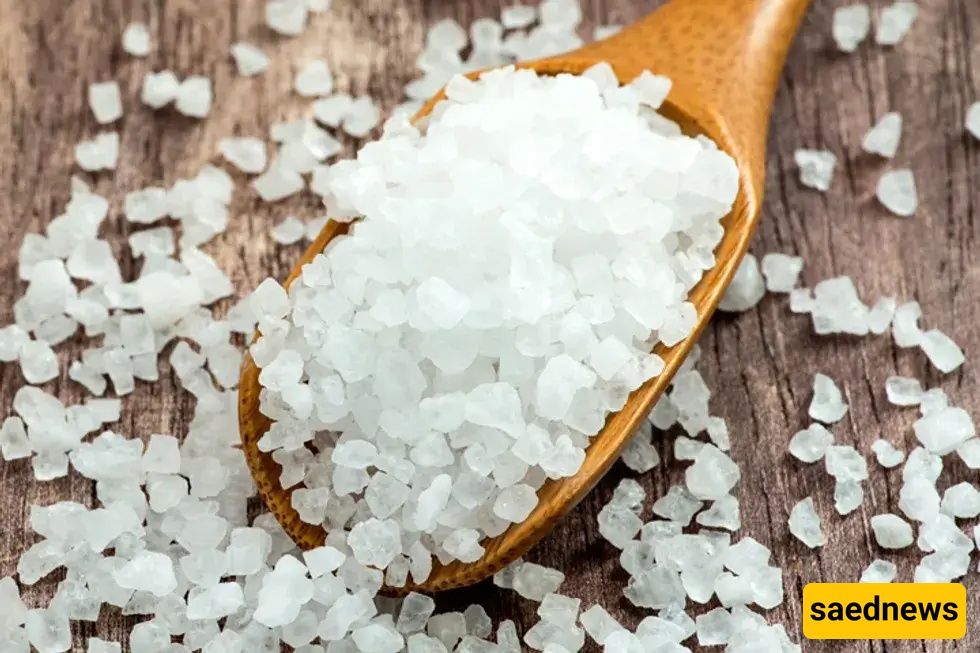
SAEDNEWS: Epsom salt, or magnesium sulfate, is a natural mineral compound believed to have many health benefits. It has long been used in bathwater to promote relaxation and ease certain aches and pains, which is why it is often called “bath salt.” One of its popular uses today is in beauty and personal care routines.
According to the Saed News Family Magazine, the human body needs various minerals and compounds throughout life to remain healthy. A healthy life includes both inner well-being and outward appearance. Today, physical beauty and visible health attract significant attention, and people are constantly exposed to advertising that promotes beauty enhancement. Among these options, natural solutions have gained growing popularity. This article briefly introduces one such natural and beneficial mineral: Epsom salt.
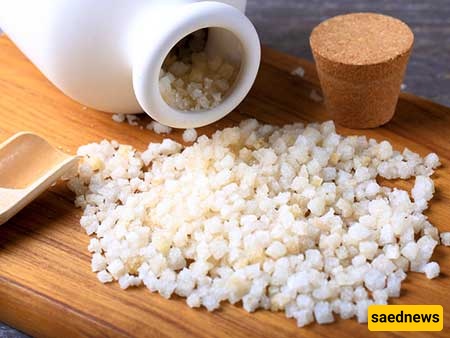
Epsom salt, also known as magnesium sulfate, is a natural mineral compound believed to offer numerous health benefits. Traditionally used in bathwater for relaxation and pain relief, it is often called “bath salt.” Although it resembles table salt, its taste is completely different. Epsom salt is widely available online, in pharmacies, cosmetic stores, and herbal shops.
Its benefits are mainly attributed to magnesium, an essential nutrient naturally present in the human body. Magnesium plays a key role in bone and muscle health, heart function, and the nervous system. While scientific evidence for magnesium absorption through the skin remains limited, practical experience suggests that Epsom salt can help relieve certain skin conditions and physical discomfort.
Commonly cited uses include:
Supporting the body’s magnesium levels
Reducing stress and improving sleep
Relieving constipation due to its laxative effect
Easing muscle cramps in athletes
Reducing pain and swelling
Applications for skin, hair, and beauty care
Epsom salt is widely used for cosmetic purposes such as facial exfoliation, removing blackheads, soothing sunburn-related irritation, moisturizing the skin, and improving overall texture.
Acne, characterized by whiteheads and blackheads, occurs when oil, dirt, and dead skin cells clog hair follicles. Some people use Epsom salt to reduce acne-related swelling and inflammation. Common home methods include warm compresses, gentle exfoliation with oils, natural face masks, and Epsom salt baths for body acne.
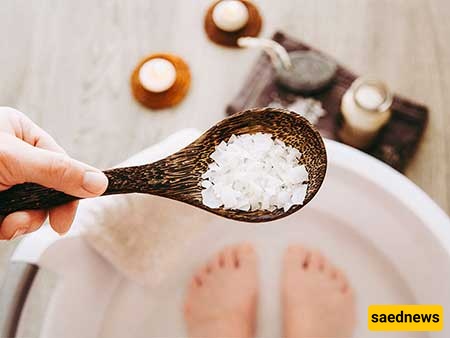
Epsom salt has long been used as an affordable and simple hair-care method. Many users report positive results.
For oily hair: Mixing Epsom salt with shampoo may help reduce excess oil and cleanse the scalp more effectively.
For dry or brittle hair: Instead of shampoo, combining Epsom salt with conditioner is recommended to avoid further dryness. The mixture is applied after washing and rinsed thoroughly after a short period.
Despite limited scientific documentation and reliance on experiential evidence, Epsom salt is generally considered a safe and low-risk mineral for cosmetic, hygienic, muscular, and physical uses. Its popularity has endured for generations, and it continues to be widely used today.













![[VIDEO] Iran's Foreign Minister Urges Stronger Diplomacy Against Israeli Aggression](https://en.saednews.com/storage/files/post/194e96d3-67f6-4a98-8b66-ad9921cca68b-XLNZ4WI0wfaXUHv7/1x1-image.jpg)