SAEDNEWS: Acne on the buttocks is a common skin issue that can be uncomfortable and even painful. This article explores the causes of butt acne and the most effective home remedies, medical treatments, and care strategies. With this guide, you can finally find relief from butt acne for good.
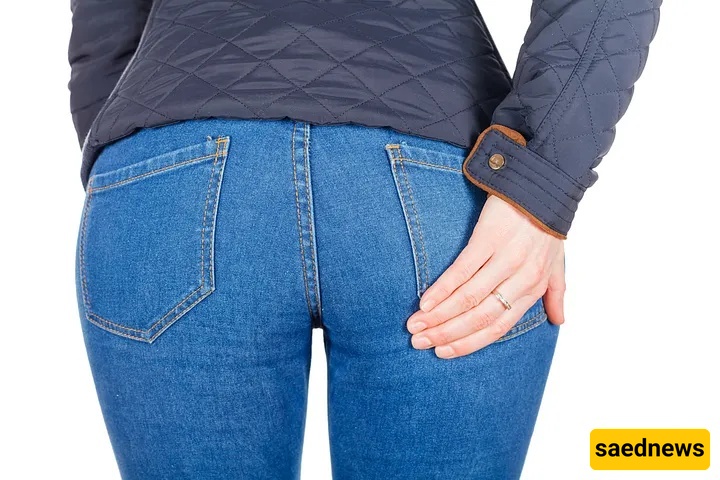
According to the Skin and Hair Service of SaedNews, acne on the buttocks is a common skin problem that can be uncomfortable and even painful. This guide explores the causes of butt acne and the most effective home, medicinal, and care-based treatments. With the right approach, you can finally get rid of butt acne for good.
Most butt acne is caused by folliculitis, an inflammation or infection of the hair follicles. This condition may result from excessive sweating, tight clothing, or frequent contact with rough surfaces. Unlike facial acne, butt acne is often deeper and pus-filled, requiring different treatment approaches.
Tight, non-breathable clothing—especially in hot weather or during exercise—is a primary contributor to butt acne. Such clothing increases sweat and blocks skin pores. Prolonged sitting on hard surfaces can also create friction, irritating hair follicles.
Certain bacterial infections, such as Staphylococcus aureus, may also contribute to pus-filled butt acne. If pimples are painful, chronic, or recurring, medical or prescription treatments may be necessary.
Home treatments, when applied consistently, can significantly improve mild cases of butt acne. The first step is daily washing with gentle, antibacterial cleansers. Soaps containing benzoyl peroxide or salicylic acid can reduce inflammation.
Warm compresses are a simple way to relieve pain and open blocked pores. Soak a clean towel in warm water and apply it to the affected area for 10 minutes, twice a day. This helps drain pimples and reduces swelling.
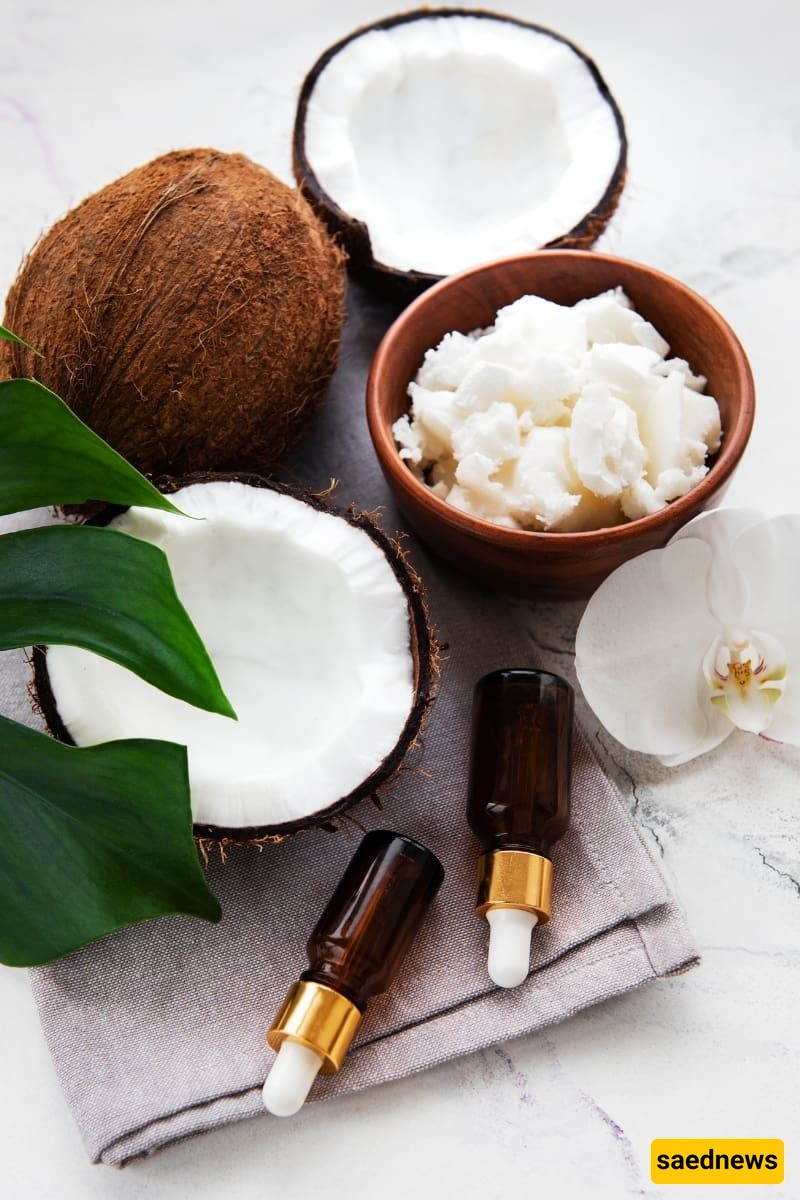
Tea tree oil has been widely studied for its antibacterial and anti-inflammatory properties. Mix a few drops with a carrier oil, like coconut oil, and apply to the area daily—being careful to avoid allergic reactions.
If home remedies fail or acne becomes chronic, prescription treatments may be necessary. Topical creams containing clindamycin, benzoyl peroxide, or resorcinol can kill bacteria and reduce inflammation.
For severe cases, doctors may prescribe oral antibiotics such as doxycycline or tetracycline to control bacterial infections from the inside, usually over 7–14 days.
For deep or cystic acne, cortisone injections or laser therapy may be recommended under a dermatologist’s supervision. The choice of treatment should consider skin type, acne severity, and medical history.
Prevention is always better than cure. Important steps include:
Wearing loose, breathable cotton clothing. Avoid tight or synthetic fabrics that increase sweating and clog pores.
Practicing good personal hygiene, including showering after heavy sweating.
Using gentle exfoliants once or twice a week to remove dead skin cells and unclog pores.
Avoiding popping pimples, which can spread infection, cause scarring, and lead to deeper skin infections.
If pimples are pus-filled or painful, consulting a dermatologist is recommended.
Butt acne can be bothersome, but with proper care and treatment, it is manageable. Identify the cause, and choose home or medicinal remedies according to severity. Maintaining hygiene, wearing appropriate clothing, and avoiding triggers are key steps in prevention. For chronic or severe cases, professional dermatological care is essential.