SAEDNEWS: Menopause Increases Women’s Risk for Certain Diseases, but Some Foods Can Help Balance Hormones

The term menopause in English signals the end of a challenging stage in life. Menopause is a period every woman experiences in midlife, bringing profound physiological and psychological changes. During this phase, women enter a new stage of life that lacks a clearly defined description for the emotional or physical state they adopt. Alongside mental and emotional changes, menopause is accompanied by metabolic and hormonal shifts in the body. This article explores the effects of soy in alleviating menopausal symptoms and preventing certain health issues.
At the onset of puberty and female hormone production (estrogen), the ovaries, various organs, and cells are involved. Estrogen is produced from cholesterol, but initially, a male precursor hormone (androstenedione), which is necessary for estrogen synthesis, is secreted. If this precursor is overproduced or not absorbed by ovarian cells, secondary male characteristics may appear in women, such as facial acne, darkening of pubic and body hair, thicker facial hair, and increased hair density.
During the onset of menopause, similar effects occur. Because ovulation ceases, levels of this hormone rise in the blood, manifesting as unwanted facial hair and acne in midlife women.
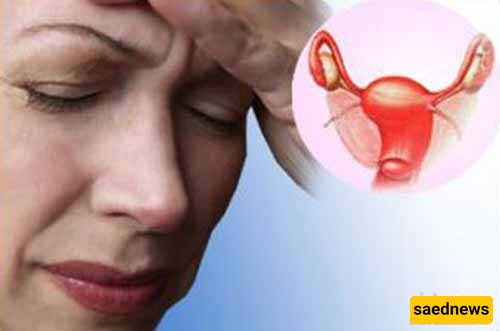
The symptoms before menopause are often more severe than those of menopause itself. Early in this phase, declining estrogen levels can cause high blood pressure fluctuations, irritability, mood swings, and depression. Another common effect is vasomotor changes, where the sympathetic and parasympathetic nervous systems lose balance. This can lead to irregular dilation or constriction of blood vessels, independent of environmental factors like heat or cold. As a result, women may sweat in winter or feel cold in summer. Collectively, these changes can negatively affect social and family life.
Research has shown that regular exercise and specific dietary choices can prevent or reduce menopausal symptoms.
There is considerable debate among experts about the benefits of soy, largely because a significant portion of soy crops worldwide is genetically modified.
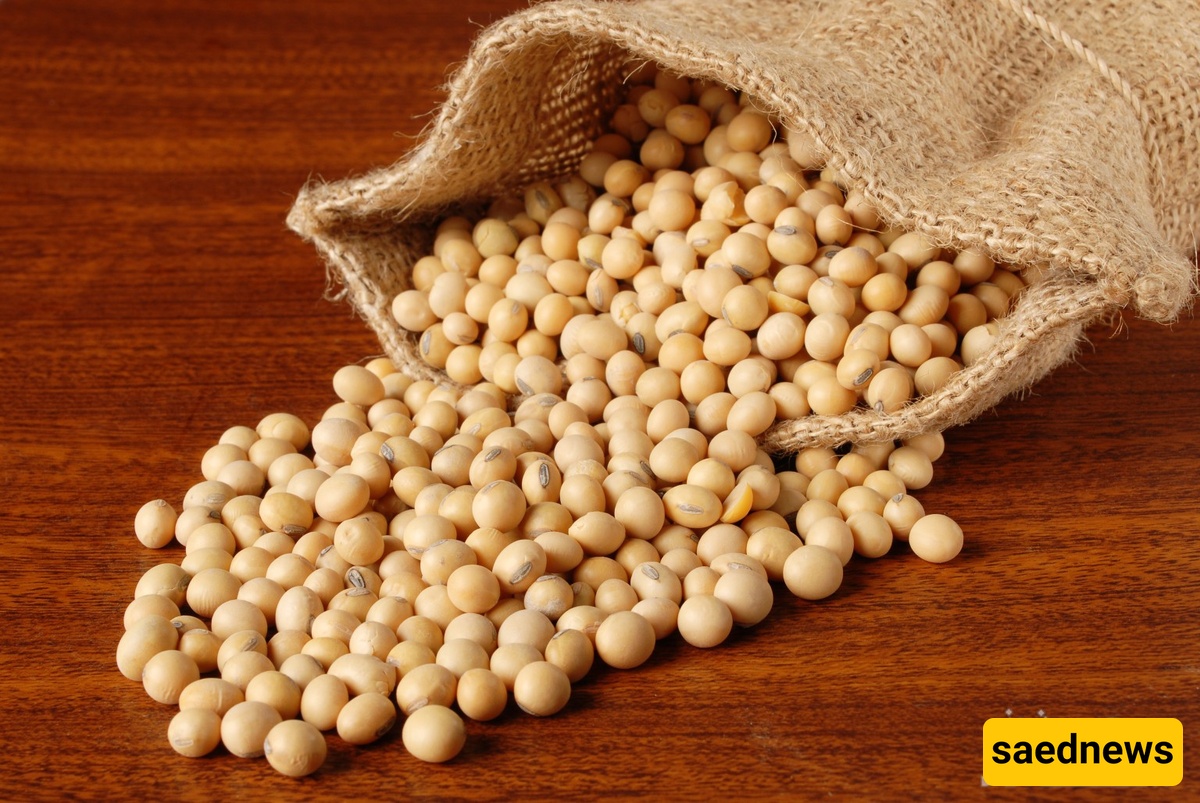
Soy contains 40% protein and 20% oil and is used in animal feed, vitamin supplements, and some industrial applications. It can be consumed raw, roasted, as soy milk, in soups or salads, or as foods like tofu and tempeh. Soy oil is also suitable for cooking and salad dressings. Nutritionally, soy provides high protein, vitamin C, folate, fiber, calcium, iron, magnesium, phosphorus, potassium, and thiamine.
Studies suggest that soy compounds help prevent hormone-dependent cancers, such as breast and prostate cancer. Soy consumption can reduce menopausal symptoms, particularly hot flashes. While hormonal medications are often prescribed to manage these symptoms, soy contains natural compounds that can alleviate hot flashes without the side effects associated with estrogen therapy. Continuous consumption is required to achieve these effects.
Even before menopause, some women experience hormonal imbalances due to physiological changes. Research indicates that soy can help regulate hormone levels during this stage as well.
Soy may also help prevent osteoporosis. While animal studies suggest a protective effect of soy on bone density, definitive proof in humans is not yet established.
Soy is effective in treating vaginitis, a common genital tract inflammation during menopause. Vaginitis often results from decreased estrogen, and soy’s hormone-like compounds can help alleviate these symptoms.
Heart Health – Soy can reduce LDL (“bad”) cholesterol and triglycerides while increasing HDL (“good”) cholesterol, helping prevent arterial fat buildup.
Weight Management – Research on middle-aged women indicates that regular soy consumption is associated with lower rates of obesity and weight gain. Postmenopausal women are more prone to obesity and hormone-related diseases, and soy helps regulate hormone levels.
Breast Cancer Prevention – Earlier concerns suggested soy might increase breast cancer risk, but recent studies show it does not. Daily intake of 10–20 mg of soy may reduce breast cancer risk. High soy consumption in East Asian diets is believed to contribute to lower breast cancer rates. Additionally, breast cancer patients consuming soy may experience longer survival and improved life expectancy.
Despite its benefits, excessive soy intake can affect thyroid function and increase testosterone (TSH) levels, potentially leading to hypothyroidism and related complications. Women are advised to consult a physician before consuming soy, especially if they take medications or have a history of food allergies, as soy can trigger allergic reactions in some individuals.