SAEDNEWS: Although graying hair is an inevitable part of aging, its progression can be significantly slowed through lifestyle adjustments, proper nutrition, and attentive hair care.
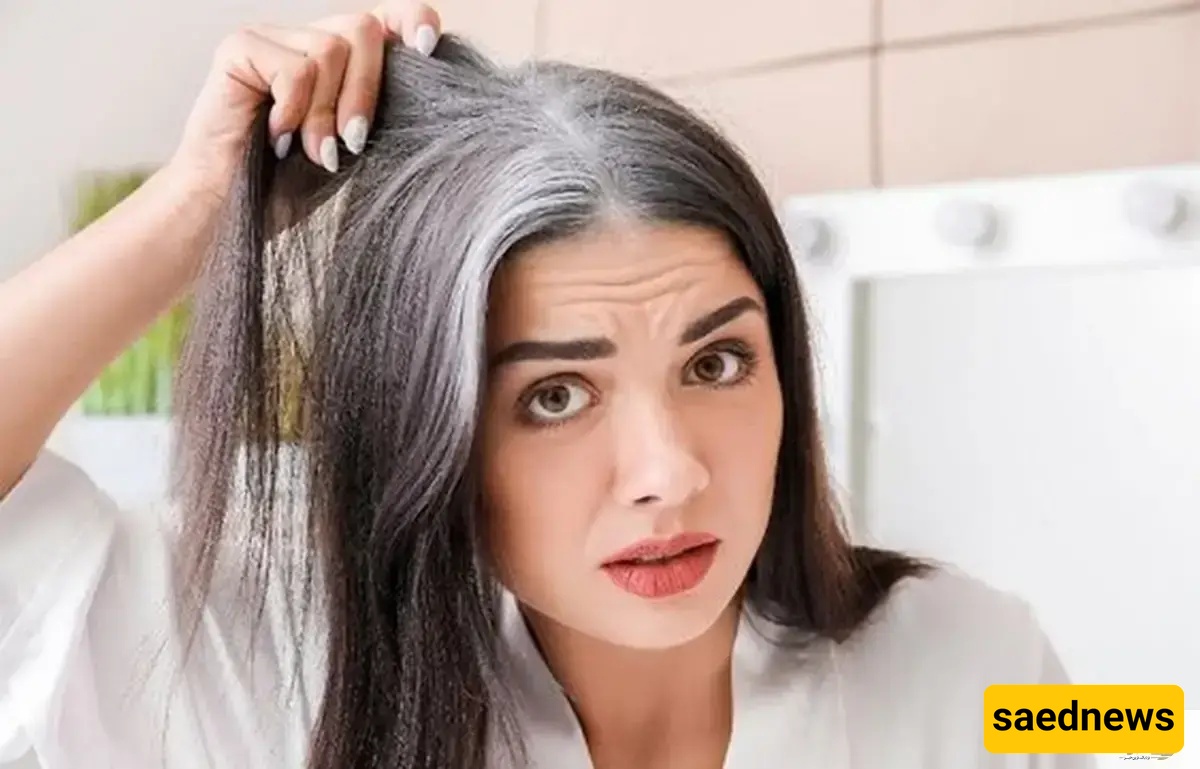
From genetics to diet and daily habits, multiple factors influence when hair turns gray. Trichology experts say that with a few simple, science-backed strategies, it’s possible to slow down the loss of natural hair color.
Alongside hair thinning, graying is one of the most common concerns that come with aging. While many people accept this change as a natural part of life, the desire to maintain natural hair color—especially when gray hairs appear earlier than expected—is completely understandable.
Professional hairstylist and trichologist Tiffany Nicole explains: “Gray hair occurs, in simple terms, when melanin is lost from hair strands. Unfortunately, reduced melanin not only changes the hair’s appearance but also affects its texture and structure.” For this reason, gray hair usually requires special care.
For years, genetics was believed to be the primary cause of gray hair. While the hair patterns of parents and grandparents play a role, experts emphasize that genetics is only part of the story. Nicole says: “Alongside genetics and the natural decline of melanin with age, factors like chronic scalp inflammation, oxidative stress, and nutrient deficiencies can significantly accelerate graying.”
Certified trichologist and co-founder of the hair care brand Arey, J. Small, offers a deeper perspective: “Only one specific gene is directly linked to gray hair. Often, similarities in hair graying within families relate more to shared lifestyle habits inherited across generations rather than genetics alone.”
In simple terms, some factors are beyond our control, but many are lifestyle-related. Small adds: “Sometimes it’s as simple as sun exposure, other times it’s deeper habits like alcohol consumption, smoking, or diets high in processed foods. Of course, aging itself also plays a role.”
There’s no exact age for when gray hair should appear. Nicole notes: “Studies show curly hair often begins to gray in the 40s and 50s, while straight hair tends to gray in the 30s and 40s. Early graying before age 30 often indicates oxidative imbalance in the body.”
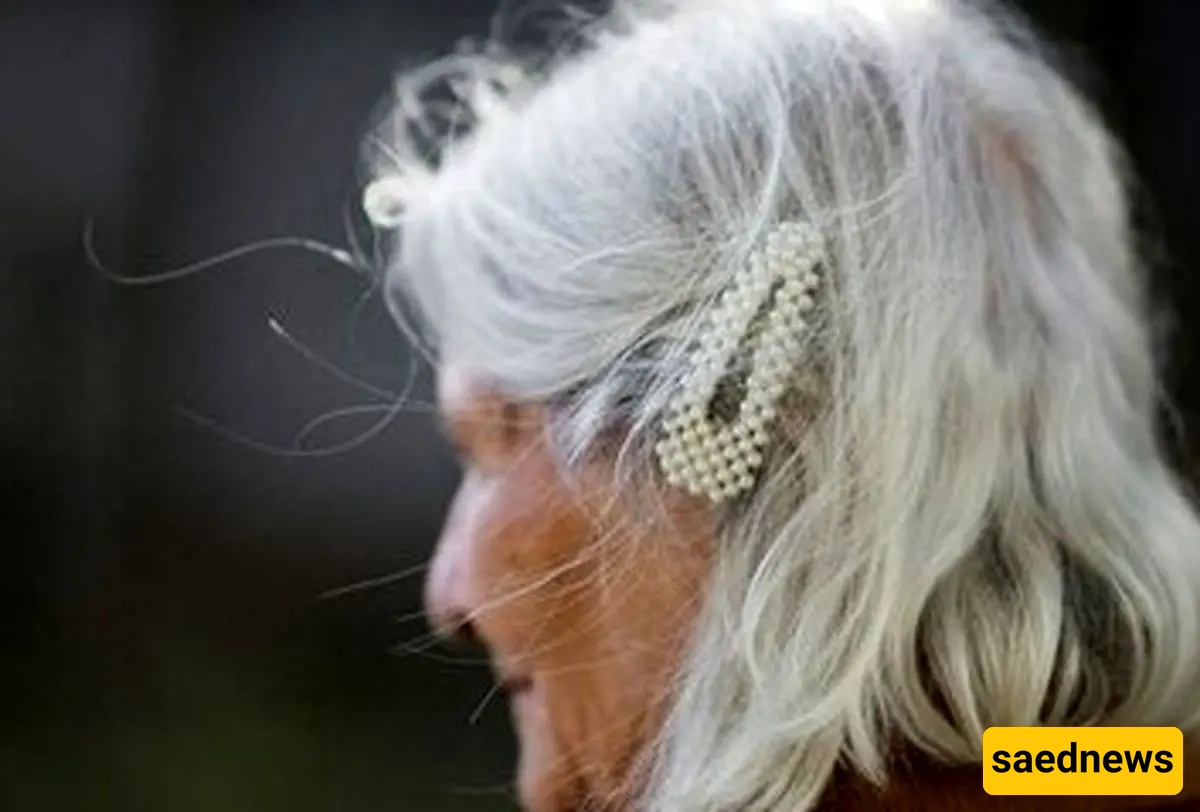
Small stresses that graying is ultimately unavoidable. Fully gray hair cannot be reversed. The body uses an enzyme called tyrosinase to produce hair pigment, and as this enzyme’s activity declines, pigment production drops. “We don’t want people to think graying can be completely reversed,” he says. “It’s similar to using anti-wrinkle cream: even the best creams can’t fully erase wrinkles.”
However, if some pigment remains, graying can be slowed. Small explains: “Gray hair is a gradual loss of color, not a sudden change. There are ways to help preserve color and slow the process.” Here are six expert-backed strategies for maintaining natural hair color longer.
Increasing intake of vitamins, minerals, and antioxidants can have a significant impact. Nicole recommends a diet rich in vitamin B12, folate, copper, and zinc.
Small takes a broader view: “During consultations, I ask what people eat and how often. Processed foods inhibit pigment production and increase oxidative stress. Reducing them is an important step.”
He also highlights beneficial foods: “Protein sources, leafy greens, eggs, and avocado are excellent.” However, he notes that the amounts needed for noticeable effects on hair are quite large.
The body doesn’t prioritize hair when distributing nutrients. “Hair is not essential for the body; it’s a side benefit,” Small says. Supplements can support hair health, but only alongside a healthy diet and regular exercise.
Copper is key for melanin production, and a combination of B vitamins, iron, selenium, and antioxidants can help maintain follicle function and hair color.
Sun protection shouldn’t be limited to skin. Using scalp sunscreen or wearing hats outdoors is crucial. “UV radiation is a major factor in hair and scalp changes, gradually damaging the front hairline most,” Small notes.
If you’ve been using the same shampoo and conditioner for years, it might be time for a change. Nicole advises treating hair care like skincare: “A scalp-focused approach can prevent yellowing and support a healthier transition to gray hair.” Mild cleansers, anti-inflammatory ingredients, moisturizers, and UV filters are recommended.
Contrary to popular belief, coloring hair at the first sign of gray may accelerate graying. “Hair dye puts extra stress on the scalp, which can contribute to further graying,” Small explains. He suggests viewing gray hair as a signal from your body and checking diet and deficiencies if it’s bothersome.
Alcohol, smoking, lack of sleep, and high-stress lifestyles all increase bodily stress, which directly affects hair. Small says people with these habits are more prone to premature graying.
No method guarantees complete prevention. Even with all precautions, early graying can still occur. Yet, most people who avoid these harmful factors can preserve their natural hair color longer.