SAEDNEWS: The powerful benefits of certain herbs and spices for improving memory, reducing anxiety, and potentially even protecting against brain tumors have been scientifically confirmed. Join us as we explore some of these remarkable plants and how to incorporate them into your diet.

In the past, people relied on nature to improve their health. They discovered the benefits of various plants and used them to live healthier lives. Even in our modern world, with advanced hospitals and chemical medicines, medicinal plants still play a crucial role in maintaining human health. They contain anti-inflammatory compounds and active ingredients that can reduce the risk of numerous diseases. Today, let’s explore which plants can enhance memory and brain function.
The best options for improving cognitive health, without adding calories or fat, are herbs and spices. Beyond adding flavor to food, certain herbs and spices have proven benefits for memory enhancement, anxiety reduction, and even potential protection against brain tumors.
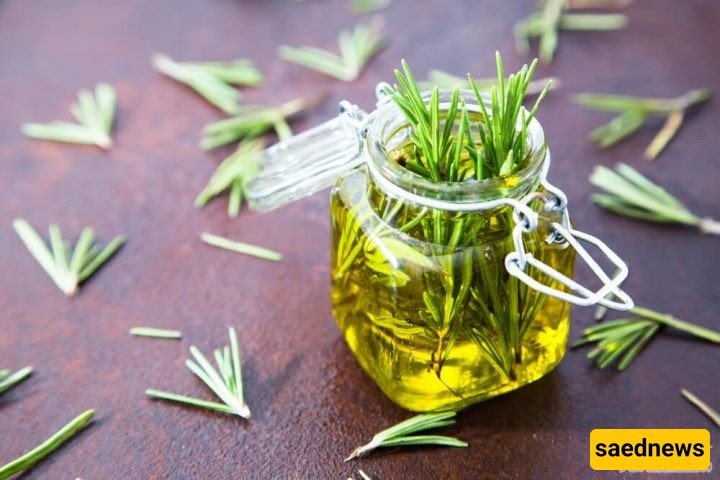
Rosemary is an aromatic herb with memory-boosting properties. In addition to antioxidants like rosmarinic acid and carnosic acid, rosemary increases acetylcholine levels—the primary neurotransmitter responsible for nerve signal transmission—making it beneficial for memory.
A 2003 study in the International Journal of Neuroscience confirmed rosemary’s cognitive-enhancing effects. The research found that its essential oils could improve cognitive performance and positively influence mood. Another 2012 study in Therapeutic Advances in Psychopharmacology showed that 1,8-cineole, the most active chemical in rosemary oil, is linked to improved memory accuracy, processing speed, and mood. Rosemary also increases brainwave activity and protects the brain against neurological diseases like Alzheimer’s.
For a memory boost, apply 2–3 drops of rosemary oil under your nose or drink rosemary tea made from fresh or dried leaves.
This herb helps break down beta-amyloid proteins, which form plaques in the brain and impair cognitive function. It also promotes neurogenesis, supporting overall brain power. Benefits include:
Improved memory
Enhanced spatial and visual memory
Reduced oxidative stress
Protection against neurodegeneration
A 2005 study in the British Journal of Pharmacology reported that Indian ginseng can regenerate neurons and restore synapses in damaged cells, making it a potential therapy for neurological diseases. A 2010 Phytotherapy Research study highlighted its role in Alzheimer’s treatment, improving acetylcholine production and cognitive functions such as focus, thinking, and memory. It can be consumed as powder, dried, fresh, or brewed as a tea.

Brahmi is a popular Ayurvedic herb known for its brain-enhancing properties. It’s commonly used for cognitive issues like focus problems and even depression. Acting as a brain tonic, Brahmi has antioxidant and neuroprotective effects.
A 2002 study in Neuropsychopharmacology emphasized its positive impact on memory and recall abilities.
A 2008 study in the Journal of Alternative and Complementary Medicine found that Brahmi improves word recall memory and reduces depression and anxiety in adults over 65.
A 2012 study in Evidence-Based Complementary and Alternative Medicine reported that Brahmi can enhance attention, cognitive processing, and working memory by suppressing AChE activity.
Consuming 1 teaspoon of Brahmi leaf extract 2–3 times a day supports memory improvement.

For centuries, sage has been used to improve and strengthen memory. Its essential oil contains active compounds like cineole and thujone, which enhance brain function. Sage leaves also contain flavonoids, niacin, tannic acid, and oleic acid, supporting focus, attention, and mood.
A 2003 study in Pharmacology Biochemistry and Behavior found that sage essential oil improves immediate word recall.
Another 2003 study in the Journal of Clinical Pharmacy and Therapeutics demonstrated its benefits in managing mild to moderate Alzheimer’s.
A 2006 study showed positive effects on memory and its interaction with the cholinergic system in lab mice.
Sage tea or adding sage to soups and salads can strengthen cognitive abilities.

Gotu Kola is recommended for memory enhancement and mental clarity. Its phytochemicals improve memory and may prevent the formation of beta-amyloid proteins linked to Alzheimer’s.
A 2000 Psychopharmacology study showed that a capsule containing 60 mg standardized Gotu Kola extract (GK501) and 100 mg Asian ginseng extract (G115) improved various aspects of memory in healthy adults.
A 2014 study in Advances in Experimental Medicine and Biology reported that Gotu Kola enhances working memory in middle-aged adults.
A 2016 study in Toxicology and Industrial Health found that Gotu Kola combined with vitamin C may reduce cognitive and learning impairments caused by fluoride exposure.
This herb is found in Asia, South Africa, and the South Pacific. Rich in nutrients such as vitamins B1, B2, and B6, it stimulates circulation and acts as a brain tonic, improving focus and attention.
A 2012 study in Evidence-Based Complementary and Alternative Medicine highlighted its neuroprotective properties, aiding in Alzheimer’s, Parkinson’s, and oxidative stress-related impairments.
A 2013 Ayu study showed that Centella asiatica, along with other Medhya rasayana herbs, improves short-term memory faster than yoga.
It can be consumed as capsules (500 mg, once or twice daily) or brewed as tea, but always consult a doctor before starting supplements.

Among ginseng varieties, Korean red ginseng has significant brain benefits. By activating neural activity in the hippocampus, it enhances spatial memory and protects neurons from beta-amyloid and other toxins, helping prevent dementia.
A 2011 study in the Journal of Ginseng Research examined its effects on children with ADHD, showing potential cognitive improvements.
A 2012 study reported improved cognitive and motor performance. More research is needed to confirm its clinical efficacy.

Also known as wild barley, wheatgrass is a nutrient-rich brain tonic with calming effects on the nervous system. It enhances attention and concentration.
A 2011 study in Alternative and Complementary Medicine reported that 1600 mg of wheatgrass extract significantly improves attention and focus in older adults with varying cognitive levels.
Another 2011 study using EEG frequency changes confirmed cognitive improvements in participants consuming wheatgrass.
Regular green tea consumption positively impacts memory. Its antioxidants support the brain’s vascular health and help prevent plaque formation related to Alzheimer’s and Parkinson’s.
A 2011 study in the Journal of Alzheimer’s Disease confirmed that green tea polyphenols reduce the risk of dementia and neurodegenerative diseases.
A 2013 study in Behavioral Brain Research showed catechins’ protective effects on hippocampal formation and spatial memory in lab mice.
Aim to drink 2–3 cups of green tea daily.

Holy basil contains compounds that make it a natural brain booster. Its medicinal properties help the mind handle stress and may improve memory. Essential oils in the plant also protect the brain from damage.
Holy basil enhances cognitive function, slows age-related memory decline, and may protect against mild dementia. Drinking a cup of tulsi tea daily, consuming fresh leaves, or using basil oil in aromatherapy supports memory and mental performance.