SAEDNEWS: The Baba Adam plant is a decorative species whose roots have medicinal properties. It thrives in moderate light and requires frequent watering and misting to flourish indoors.
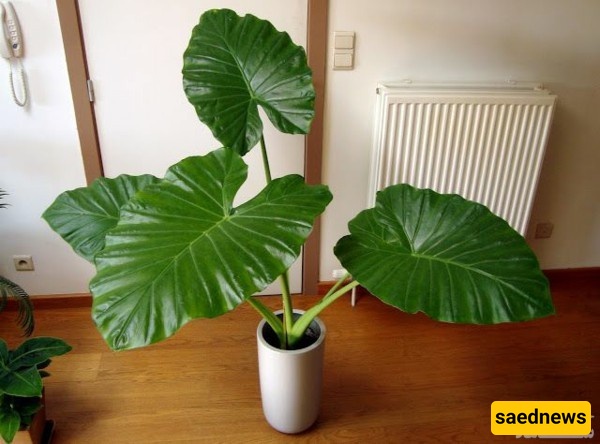
The Angelica Tree, known as Baba Adam in Persian, is an ornamental plant whose roots are also used in traditional medicine to treat various ailments and diseases. This plant is also known by other names, including Zardan, Bardan, Filosh, Araghiton, and Louf al-Hayya. In the wild, it grows in plains and temperate, moist areas such as riverbanks, alfalfa fields, and pastures.
In Iran, the Angelica Tree thrives particularly well around Tehran, Alborz, Rudbar, Khorasan, and Kerman. To cultivate it successfully, consistent irrigation, soil preparation, and weed control during the plant’s growth period are essential to ensure full development of young stems. The Angelica Tree is also a popular houseplant, with many enthusiasts growing it indoors.
Baba Adam is a biennial herbaceous plant belonging to the starflower family. It can grow up to 2 meters in height. Its stem resembles snake skin and is covered with coarse, rough hairs.
The leaves are very large and broad, drooping along the stem. They are pale green near the base and gradually darken toward the tips.
The flowers of Baba Adam are spherical, about the size of a hazelnut or larger. Its fruit, when mature, appears as a small nut-like structure with three or four surfaces and a yellowish-tan color.
The root of the Angelica Tree is long, spindle-shaped, and medicinal. The root skin is brown, its core is white and sweet-tasting. In some parts of the world, these rhizomes are cooked and consumed as food.
For indoor cultivation, place the plant in a semi-bright location with moderate light and a warm temperature. Key environmental requirements include:
Soil: The soil should be rich in organic matter, either plant-based or animal-based. A good mix consists of equal parts decomposed leaf soil, loamy soil, manure, and sand.
Light: The plant requires moderate light. Avoid direct sunlight; placing it about 1.5 meters from a window provides sufficient light without exposure to harsh sun.
Water: The plant has high water needs. Regular misting helps leaves grow larger and more beautiful. Warm, humid conditions, like those in a greenhouse, are ideal.
Pests and Diseases: The most common pest is the spider mite. Other issues include root rot caused by overwatering or poor drainage, aphids, mealybugs, scale insects, and gray mold.
Temperature: Optimal indoor temperatures are 18–24°C (64–75°F). The plant is sensitive to cold, which can cause leaf wilting.
Fertilization: Use a small amount of nitrogen fertilizer every two weeks from spring to fall. Fertilization is not necessary during the rest of the year.
Baba Adam is usually propagated via rhizomes, ideally in spring. Offshoots with roots can be planted directly in a new pot with surrounding soil. If the offshoot lacks roots, cut it carefully from the mother plant at the crown and plant it in spring as a new plant.
Applying rooting hormones can make propagation easier and faster. Keep the soil consistently moist until roots develop, then gradually reduce watering as the plant establishes.