SAEDNEWS: Tourist Attractions on the Edge of a Cliff – Cliffside Tourist Destinations – Cliff-Edge Attractions – Cities on the Edge of Cliffs – Photos of Cliffside Tourist Attractions
According to Saednews, For decades, the remarkable growth of the tourism industry has made destinations with unique geographical features increasingly popular among travelers.
Among them are five cities and villages built on coastal cliffs and steep precipices, each ranking among the leading tourist destinations in its respective country.
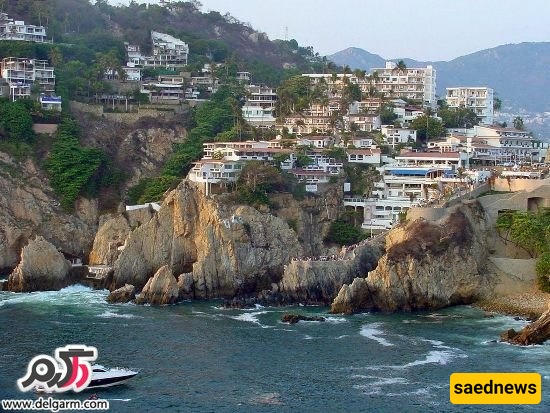
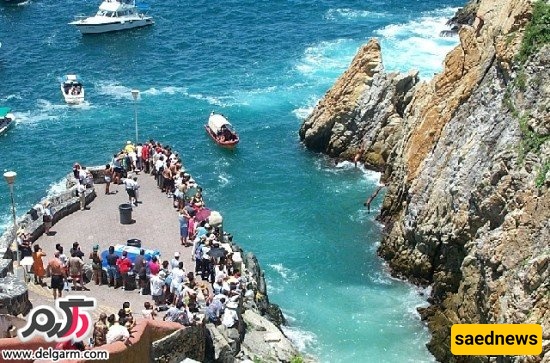
Acapulco, a coastal city renowned for having one of the finest beaches on the Pacific Ocean, welcomes tens of thousands of tourists every year. Built along coastal cliffs, the city attracts visitors who come specifically to watch or experience cliff diving into the shallow waters below. Acapulco is widely regarded as one of Mexico’s leading tourist destinations.
Overlooking a deep, crescent-shaped bay, Acapulco has been one of Mexico’s most important ports since the early Spanish colonial period. Tourism remains a major pillar of the economy of this historic city, which became a favorite vacation destination for Hollywood stars and millionaires during the 1950s.
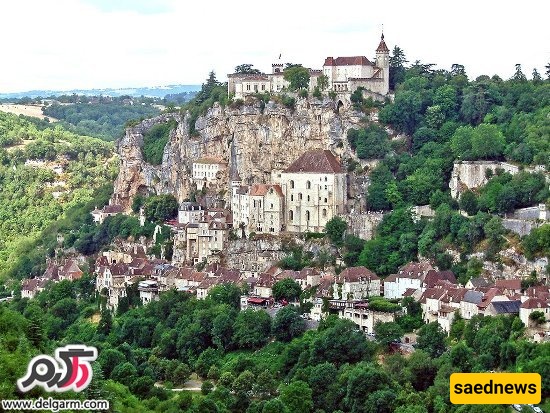
Rocamadour is a small village perched above the Alzou River valley in southwestern France. Most of its buildings were designed and constructed in the 12th century, following the steep contours of the rocky landscape.
The village’s houses occupy the lower sections of the cliff, while its famous sanctuary and church, associated with Saint Amadour, stand higher up on the rock. The site attracts tourists and pilgrims throughout the year.
Over the centuries, Rocamadour experienced periods of decline and depopulation for various reasons, including the French Revolution and World War II. However, it has since regained its popularity and now welcomes thousands of visitors annually.
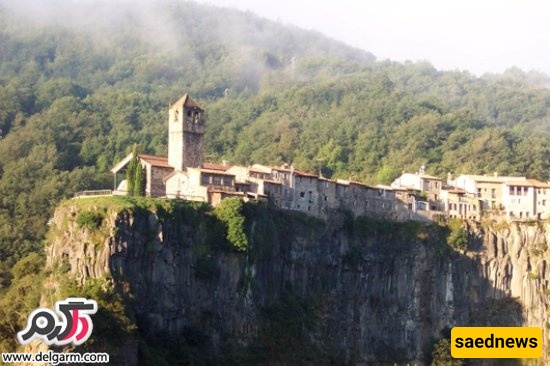
The village of Castellfollit de la Roca, located in Spain’s Catalonia region, is built atop basalt cliffs between two rivers. It is considered one of the most beautiful—and potentially dangerous—villages in Spain and Europe.
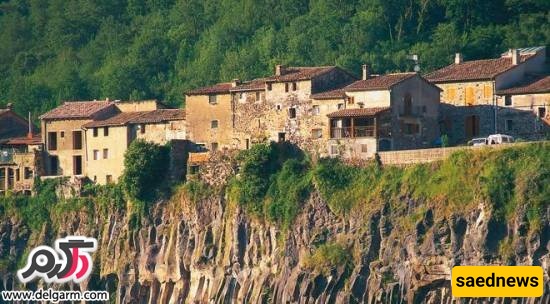
Covering an area of less than three square kilometers, much of the village was built along the edge of the rocky precipice during the Middle Ages. Viewed from a distance, its houses appear to hang over the valley, as though they could tumble into it at any moment.
Despite its dramatic setting, Castellfollit de la Roca has preserved much of its medieval character and has become an increasingly popular tourist destination in recent years.
The small town of Bonifacio lies at the southernmost tip of Corsica, an island in southern France. Its fortifications extend to the edge of a towering limestone cliff that rises approximately 70 meters above sea level.
Developed over several historical periods, the town occupies a precarious position because erosion has gradually worn away the lower sections of the cliffs supporting it, increasing the risk of rockfalls.
Yet this very landscape has created a spectacular and somewhat intimidating view, making Bonifacio particularly attractive to tourists.
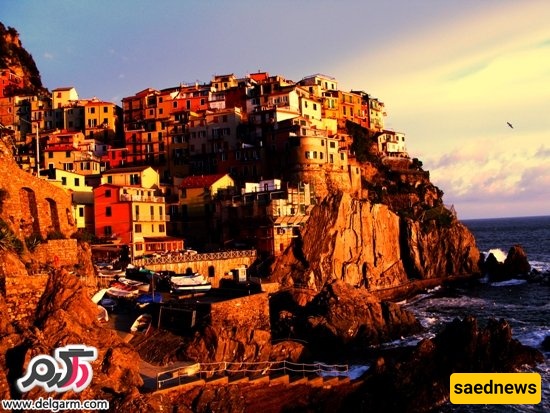
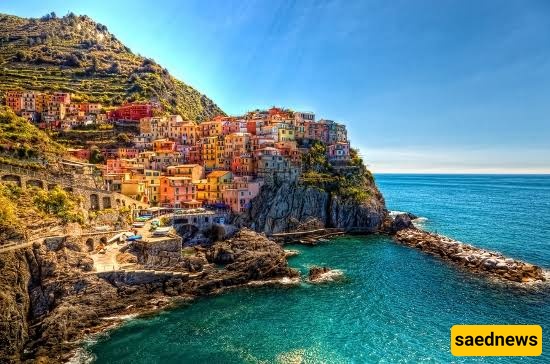
This small village, situated along a rocky stretch of coastline in northern Italy, is a jewel of the picturesque and historic Cinque Terre region. It is one of the most popular destinations for travelers exploring the area.
Manarola developed over several historical periods, and its historic landmarks include a number of stone-built religious structures. Among them, the Church of San Lorenzo stands out as one of the village’s principal attractions and continues to draw visitors throughout the year.
Five extraordinary destinations where dramatic cliffs, historic architecture, and breathtaking coastal scenery come together to create unforgettable travel experiences.