SAEDNEWS: Jaipur, the capital of the Indian state of Rajasthan, is one of those rare cities where history doesn’t sit quietly in museums—it lives in the streets, the architecture, and even the color of the buildings. Known worldwide as the Pink City, Jaipur is a vibrant blend of royal heritage, artistic tradition, and modern urban life.
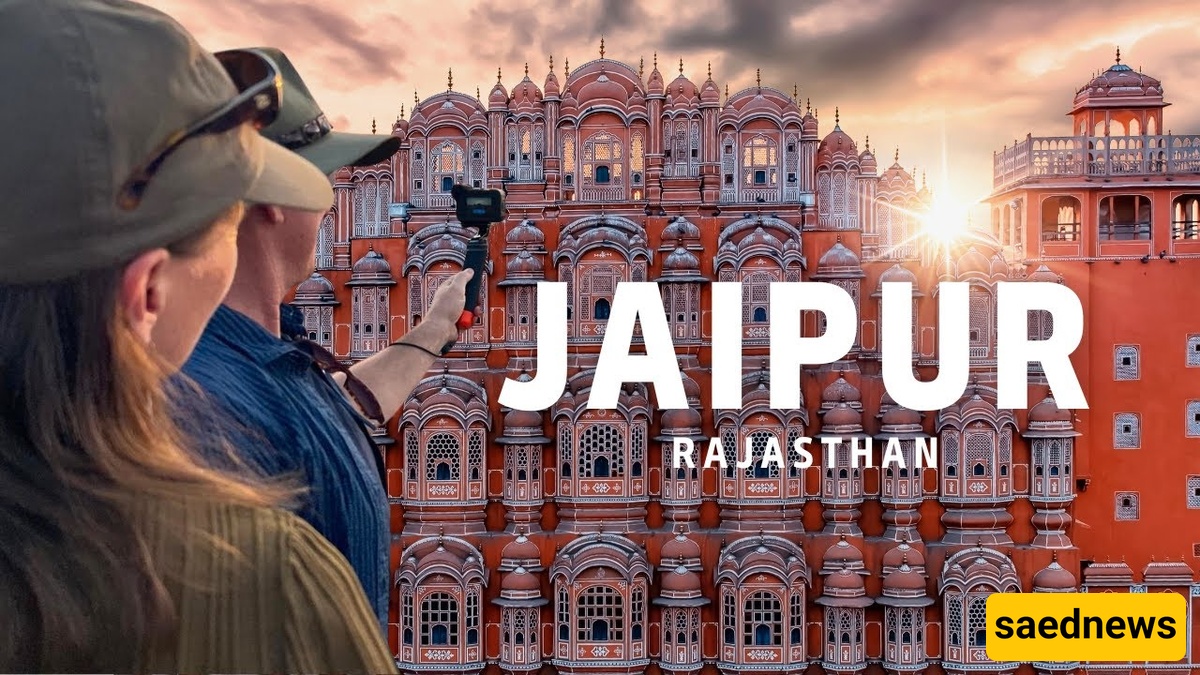
According to Saednews, Jaipur earned its famous nickname in 1876, when the city was painted pink to welcome the Prince of Wales. In Rajasthani culture, pink symbolizes hospitality, and the tradition has continued ever since in the old city area. Walking through its historic quarters feels like stepping into a living painting, with terracotta-hued walls glowing under the desert sun.
At the heart of Jaipur’s identity is its royal past. The city was founded in 1727 by Maharaja Sawai Jai Singh II, a ruler with a strong vision for urban planning. Unlike many ancient cities, Jaipur was carefully designed using principles of Vedic architecture, making it one of India’s earliest planned cities.
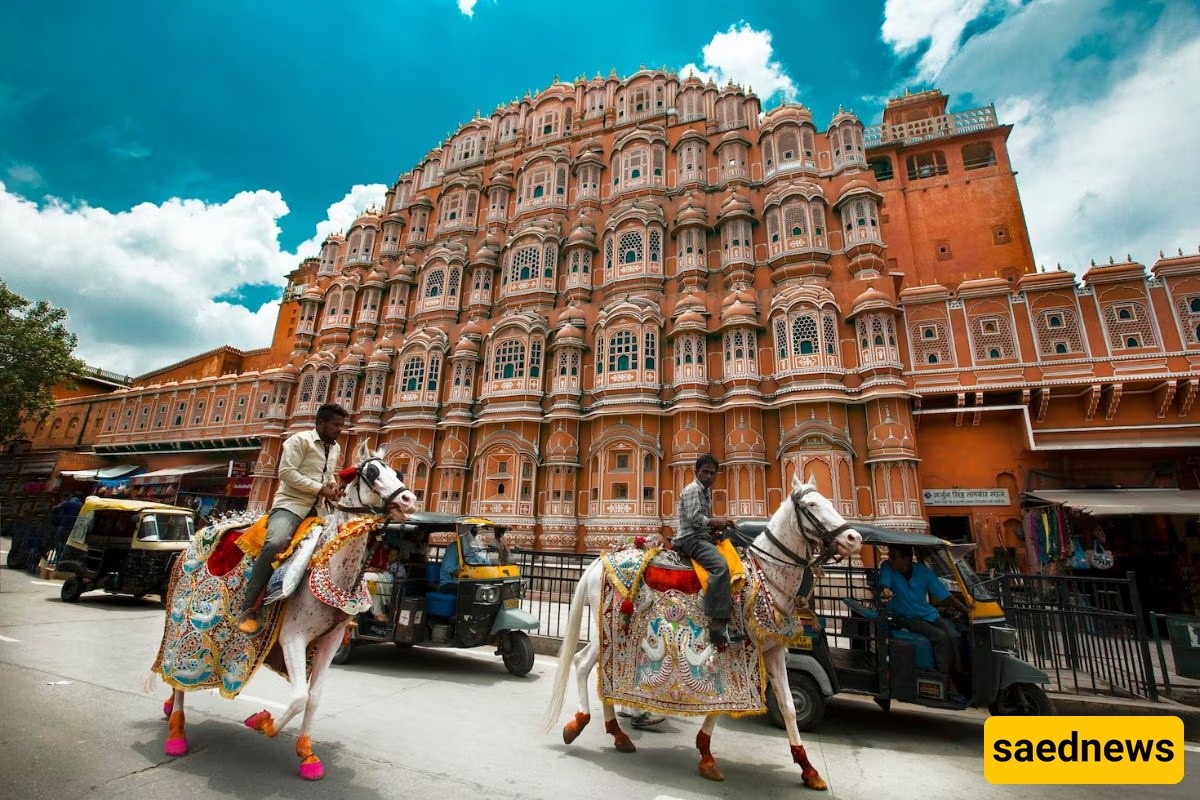
One of the most iconic landmarks is the Hawa Mahal, or “Palace of Winds,” with its honeycomb façade of 953 small windows. It was designed so royal women could observe street life without being seen.
Nearby, the majestic City Palace Jaipur still houses the royal family of Jaipur. The complex blends Mughal and Rajasthani architecture, showcasing courtyards, museums, and royal artifacts that reflect centuries of history.
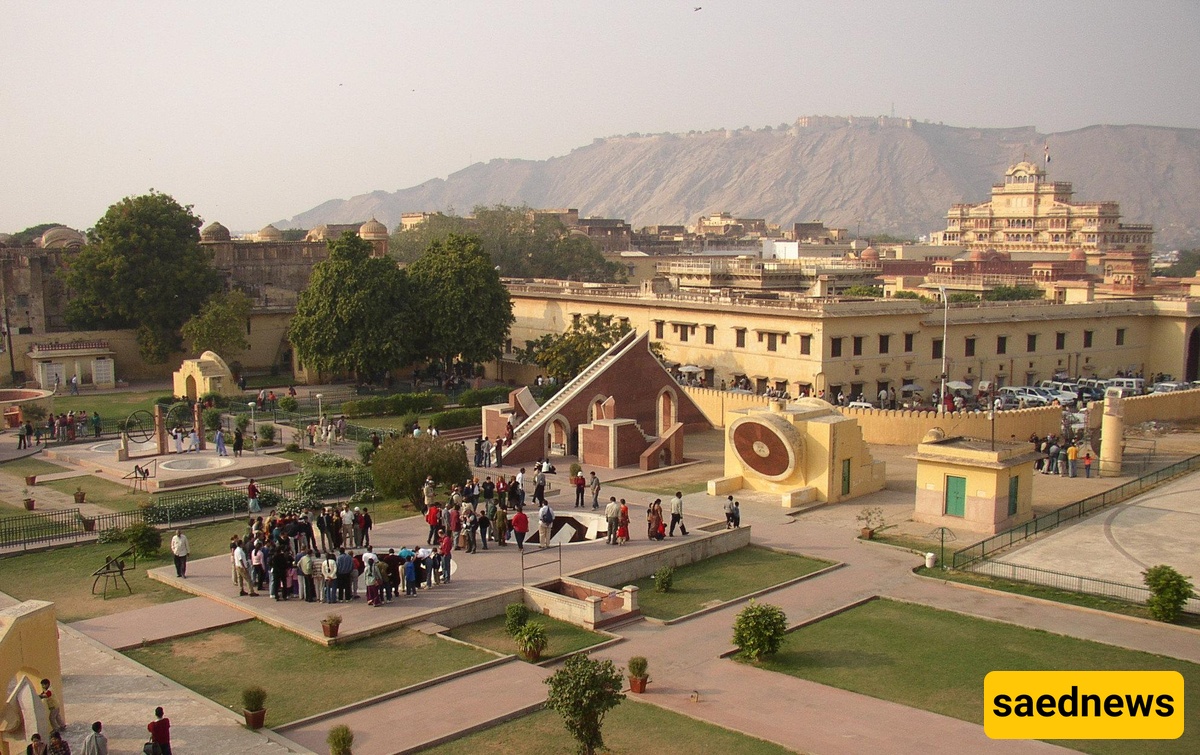
Jaipur is not just about palaces—it also reflects scientific curiosity. The Jantar Mantar Jaipur, a UNESCO World Heritage Site, is an astronomical observatory built in the 18th century. Its massive stone instruments were designed to measure time, track celestial bodies, and predict eclipses with surprising accuracy for their era.
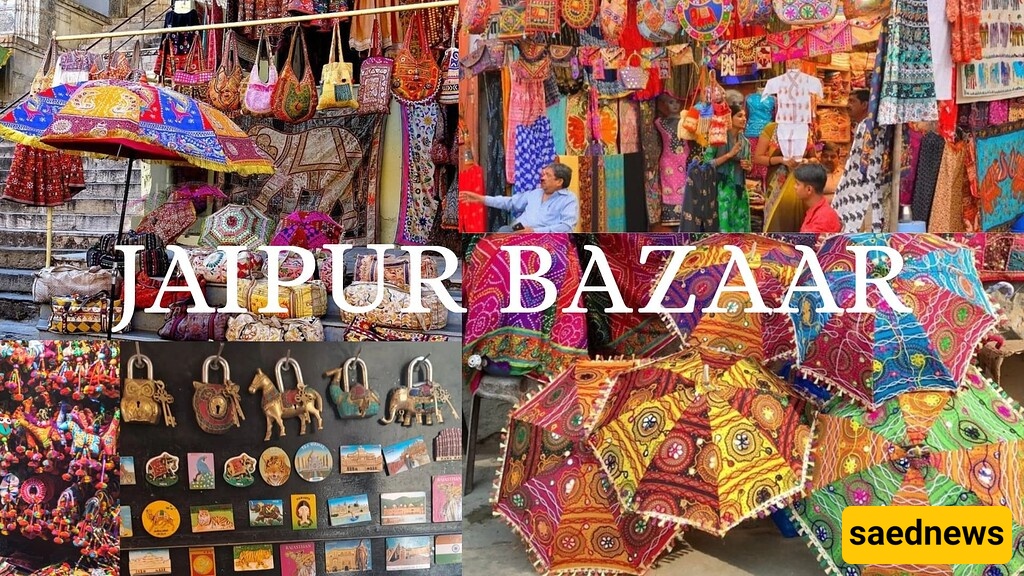
Beyond monuments, Jaipur is famous for its bustling bazaars. Markets like Johari Bazaar and Bapu Bazaar are filled with gemstones, textiles, handicrafts, and traditional Rajasthani jewelry. The city is a paradise for those who appreciate craftsmanship, especially block-printed fabrics and blue pottery.
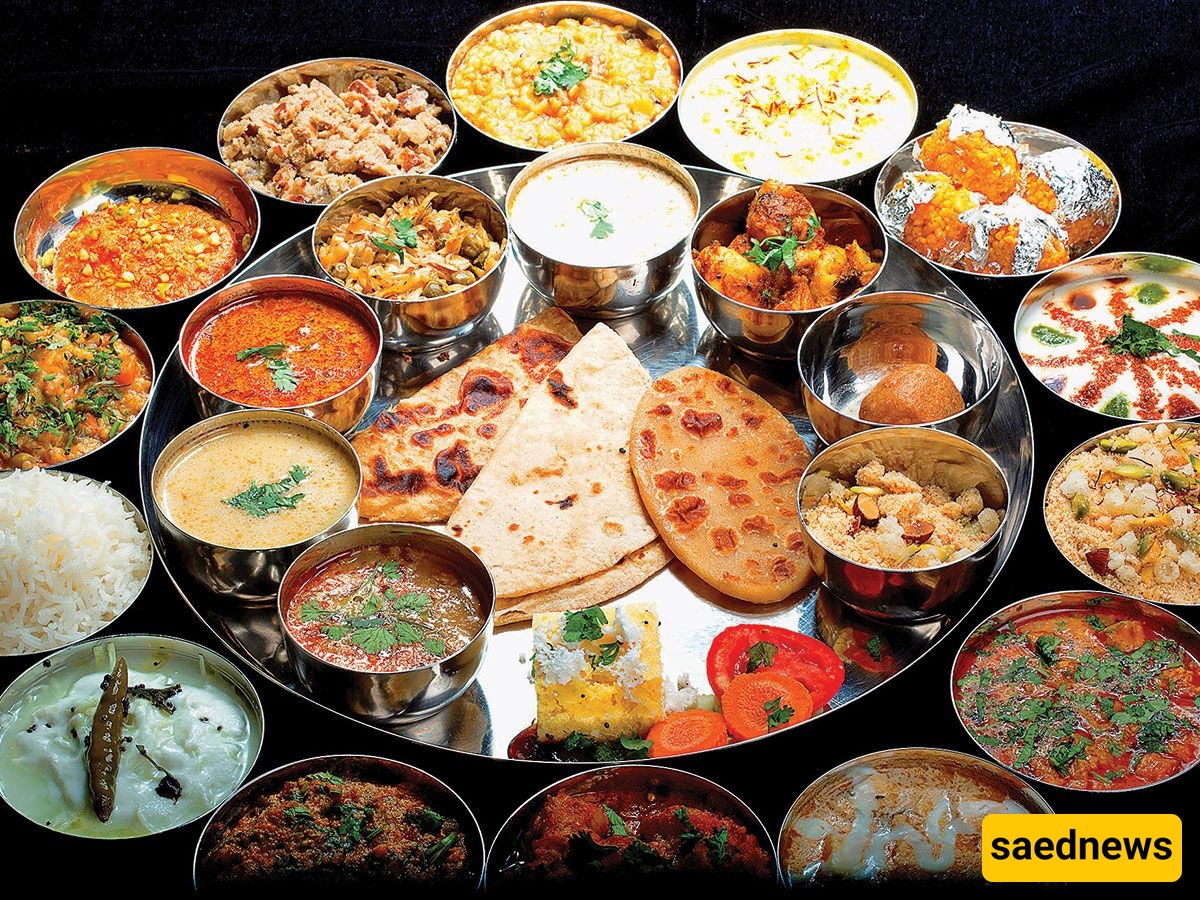
Jaipur’s cuisine reflects its desert roots—rich, flavorful, and designed for endurance. Dishes like dal baati churma, gatte ki sabzi, and spicy kachoris are local favorites. Street food culture is also thriving, offering everything from crispy snacks to sweet desserts like ghewar.
Today, Jaipur is not only a heritage destination but also a growing modern city with tech hubs, luxury hotels, and international tourism. Yet, despite its growth, it has preserved its identity remarkably well. The contrast between ancient forts and contemporary cafés is part of its charm.
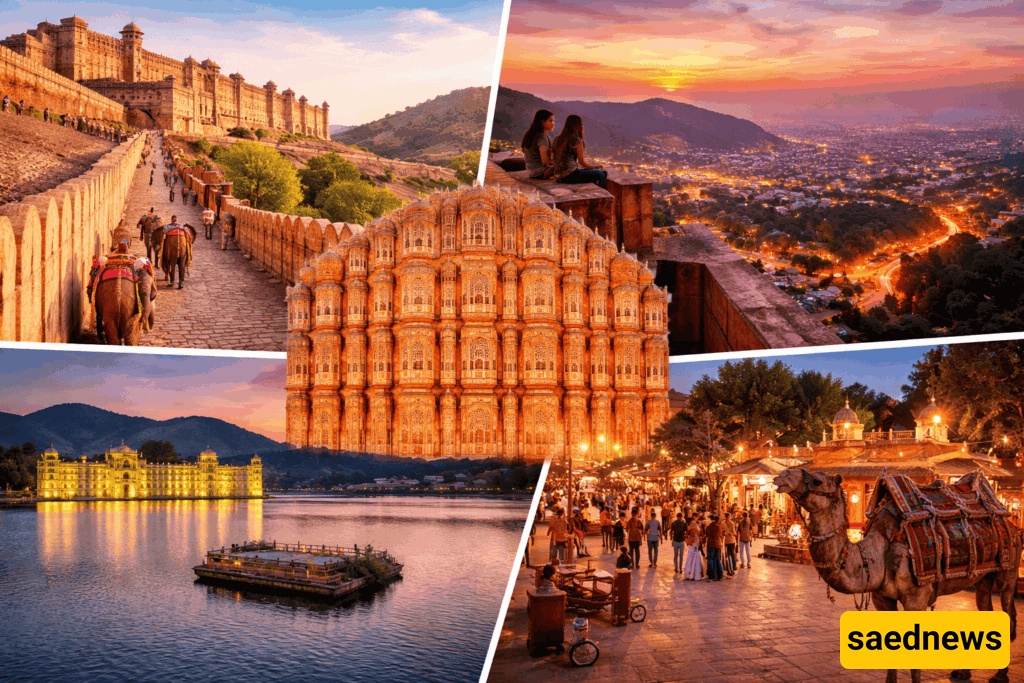
What makes Jaipur unforgettable is not just its monuments, but its atmosphere. The warm tones of its architecture, the rhythm of its markets, and the depth of its history create a city that feels both timeless and alive.
For travelers, Jaipur is more than a destination—it’s an experience of color, culture, and centuries-old stories still unfolding in real time.