SAEDNEWS: The skin is the largest organ of the human body, and proper skincare should begin at an early age. This article explores the ideal time to start a skincare routine and the essential steps to take at each stage of life.

According to Saednews, The skin is the largest organ of the human body. It plays a vital role in protecting the body against external factors, regulating body temperature, and retaining moisture. Many people believe that skincare only becomes necessary when the first signs of aging or skin problems appear. However, this is not entirely accurate. One of the most frequently asked questions dermatologists encounter is: At what age should you start a skincare routine?
The short answer is that healthy skincare habits should begin in childhood, while a proper, targeted skincare routine usually takes shape during adolescence and becomes more comprehensive in your twenties. However, the ideal starting age varies from person to person and depends on skin type, environmental conditions, family history, and lifestyle.
In this article, we explore the essential skincare practices for every age group and explain how to care for your skin without overwhelming it.

The skin has different needs at each stage of life. During childhood, it is thinner and more sensitive, and its protective barrier is not yet fully developed. During adolescence, hormonal changes increase oil production and the likelihood of acne. From the twenties onward, collagen and elastin production gradually decline, and signs of aging, such as fine lines, dark spots, and sagging, may begin to appear.
Starting skincare at the right time and choosing age-appropriate products can help prevent many future skin concerns. The important thing to remember is that starting early does not mean using numerous heavy products; it means establishing simple, consistent, and effective habits.
Children's skin is particularly sensitive during this stage and does not require a complicated skincare routine. Appropriate care includes the following:
Gentle cleansing: Wash the skin with lukewarm water and a mild cleanser. Strong, fragranced soaps can damage the skin's protective lipid barrier.
Moisturizing: Apply a simple, fragrance-free moisturizer immediately after bathing.
Sun protection: Children's skin is more delicate and requires careful sun protection. Mineral sunscreens containing zinc oxide or titanium dioxide, along with physical protection such as hats and protective clothing, are good options.
At this age, the primary goal is to protect the skin and maintain hydration rather than treat skin concerns or reverse damage.
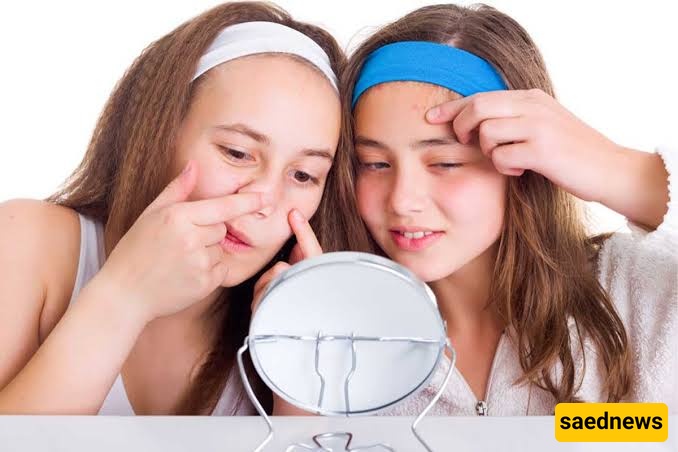
Puberty is a turning point in skincare. As androgen hormone levels rise, the sebaceous glands become more active, increasing the likelihood of acne, enlarged pores, and oily skin. This is when a simple, consistent skincare routine becomes particularly important.
A recommended routine for teenagers includes three essential steps:
Gentle cleanser: Wash the face twice daily, in the morning and evening, using a cleanser suitable for oily or combination skin that does not contain harsh cleansing agents.
Non-comedogenic moisturizer: Even oily skin needs hydration. Products labeled non-comedogenic are designed not to clog pores.
Sunscreen: This step should never be skipped. Sunscreen helps prevent acne-related dark spots from worsening and protects against future sun damage.
For moderate to severe acne, using medicated skincare products without professional guidance is not recommended. Consulting a dermatologist during adolescence is especially important because inappropriate treatment may lead to scarring and persistent discoloration rather than improvement.
Key tip: Teenagers should avoid anti-aging products, such as high-strength retinol and strong chemical exfoliants, unless recommended by a dermatologist.
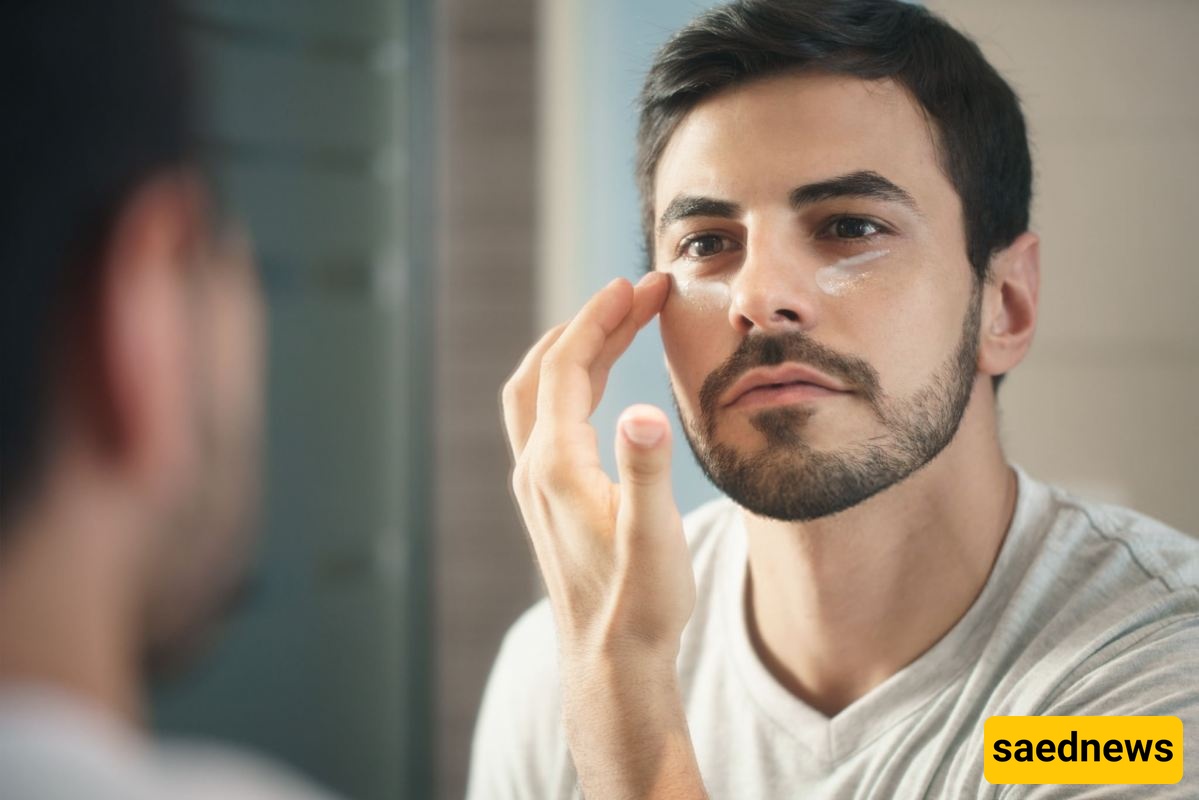
Your twenties are an excellent time to establish a sustainable skincare routine. Although the skin still has relatively healthy collagen levels, the gradual decline in collagen production begins during this period. The primary goal is prevention rather than treatment.
A suitable routine for this decade may include:
A gentle cleanser in the morning and evening.
Antioxidants, such as vitamin C: Used in the morning to help protect against free-radical damage and improve skin radiance.
A moisturizer suited to your skin type.
Daily sunscreen with SPF 30 or higher, even on cloudy days.
A low-strength retinoid, such as retinol at 0.1–0.3%, two or three nights a week, if appropriate and desired for preventing fine lines.
Gentle chemical exfoliation once a week using lactic acid or salicylic acid, depending on your skin type and tolerance.
During this decade, healthy habits such as drinking enough water, getting regular sleep, eating a balanced diet, and avoiding tobacco can also contribute to overall skin health.
From your thirties onward, collagen loss may become more noticeable, and the first fine lines around the eyes and forehead may appear. Your skincare routine can become more targeted at this stage.
Recommended practices include:
Using retinoids regularly, when appropriate, to support collagen production.
Adding hyaluronic acid to help maintain skin hydration.
Incorporating peptides and niacinamide to support the skin barrier and improve uneven skin tone.
Continuing to use vitamin C and sunscreen as essential parts of your daily routine.
Many people also experience skin concerns such as melasma, pregnancy-related pigmentation, or hyperpigmentation during this decade. In such cases, consulting a dermatologist can help determine the most suitable treatment options.

During your forties, declining estrogen levels, particularly in women approaching menopause, can affect skin thickness and moisture retention. The skin may become drier, thinner, and less plump.
A suitable skincare routine may include:
Stronger retinoids, if recommended or supervised by a dermatologist.
Rich moisturizers containing ceramides, squalane, and cholesterol to support the skin barrier.
Antioxidant combinations, such as vitamins C and E.
Brightening products to help manage dark spots and uneven pigmentation.
Professional treatments, when appropriate, such as laser therapy, microneedling, or injectable treatments.
The best approach depends on your individual skin condition, concerns, and treatment goals.

At this stage, the skin benefits from gentle, effective, and barrier-supporting care. The main components of a skincare routine include:
Very gentle cleansers.
Rich moisturizers to reduce dryness and support the skin barrier.
Retinoids at an appropriate strength, if tolerated and medically suitable.
Broad-spectrum sunscreen for daily protection.
Regular skin examinations by a dermatologist are also important for identifying potentially dangerous skin lesions at an early stage.
Many people make mistakes when beginning their skincare journey that can irritate or damage the skin. Common examples include:
Using adult skincare products on children's skin.
Combining several active ingredients at once, such as retinol and strong acids.
Skipping sunscreen because the skin is oily or the sun does not appear to be strong.
Over-exfoliating, which can damage the skin's protective barrier.
Switching products too quickly before giving them enough time to work. Many skincare products require at least six to eight weeks to show noticeable results.
Self-treating acne with inappropriate over-the-counter products without understanding the underlying cause or the skin's needs.

The best time to start skincare is as early as childhood, with age-appropriate habits and products. Children primarily need gentle cleansing, moisturizing, and sun protection. Teenagers benefit from a simple routine focused on cleansing, hydration, and acne prevention. In your twenties and beyond, skincare can gradually become more targeted toward prevention, maintaining the skin barrier, and addressing age-related changes.
Remember that an effective skincare routine does not need to be complicated or expensive. Consistency, sun protection, gentle products, and choosing ingredients appropriate for your skin type and age are far more important than using a large number of products.