SAEDNEWS: Thawing chicken is a critical step that can put your family’s health at risk. In this article, we explore 10 common mistakes and safe methods to avoid them.
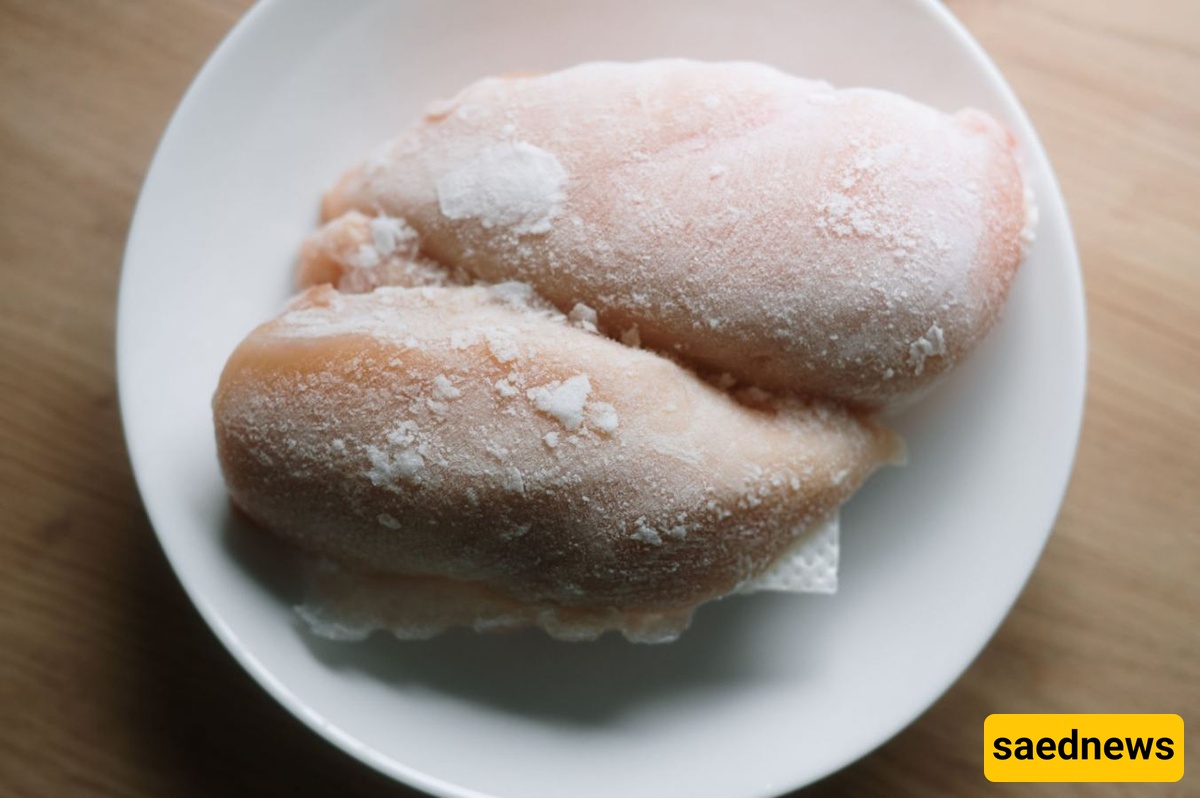
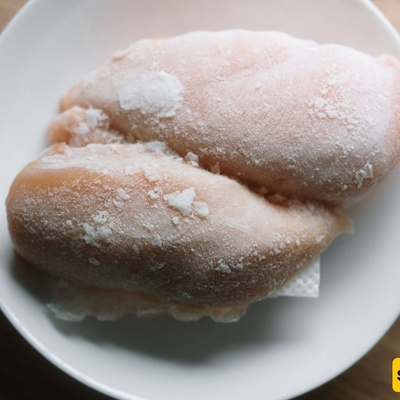
According to Saednews, Chicken is one of the most widely consumed sources of protein in Iranian kitchens, and many families buy it frozen and store it in the freezer. However, one often-overlooked step is thawing the chicken—a seemingly brief process that can make the difference between a healthy meal and serious food poisoning. Many people assume thawing simply means allowing the meat to melt or soften, but failing to follow proper food safety practices during these few hours can create ideal conditions for dangerous bacteria such as Salmonella and Campylobacter to grow.
In this article, we examine the most common chicken-thawing mistakes, explain the scientific reasons behind their risks, and introduce standard, safe thawing methods.
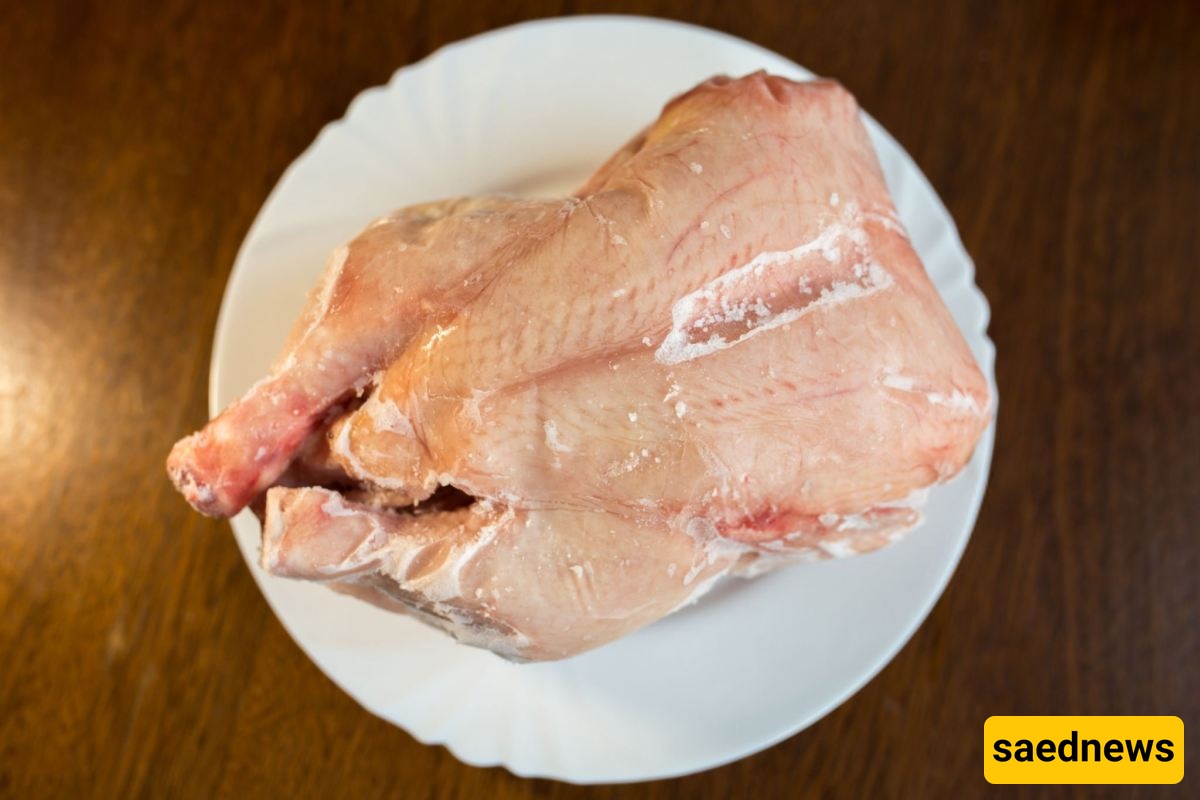
Disease-causing bacteria multiply rapidly at temperatures between 4°C and 60°C (40°F and 140°F). This range is known as the danger zone.
When frozen chicken is left at room temperature, its surface warms much faster than its center. As a result, the outer layer can become an ideal environment for bacterial growth while the inside remains frozen. Every hour the chicken spends in the danger zone allows bacterial populations to increase significantly.
Another important point is that thawing does not eliminate bacteria; it only affects their rate of growth. The reliable way to destroy harmful bacteria is to cook the meat thoroughly to a safe internal temperature of approximately 74°C (165°F) for chicken.
One of the most common and dangerous mistakes is leaving frozen chicken on the countertop until it thaws naturally. In this situation, the surface of the meat can remain in the danger zone for hours.
Even if the chicken looks and smells normal, its bacterial load may have increased significantly. Food safety authorities advise against thawing chicken at room temperature, whether on a kitchen counter, table, or in the sink.
To save time, many people place frozen chicken in warm or boiling water. This creates two problems: the outer layer quickly enters the temperature danger zone, and parts of the meat may begin to cook while the center remains frozen.
The result can be unevenly thawed chicken, with an outer layer that appears cooked while the inside remains undercooked and potentially unsafe. If you thaw chicken in water, always use cold water.
Even when cold water is used initially, leaving chicken submerged for hours without changing the water is a mistake. The water gradually warms toward room temperature, creating more favorable conditions for bacterial growth.
When using the cold-water method, replace the water every 30 minutes to keep it cold.
Placing unpackaged chicken directly in the kitchen sink can spread contaminated juices onto surfaces, sponges, dishes, and faucets.
This is known as cross-contamination and is a major cause of foodborne illness in the home. Keep chicken in a sealed, leakproof container or a properly sealed zip-top bag while thawing.
Once chicken has thawed, you should not automatically assume it is unsafe to refreeze. Chicken thawed safely in the refrigerator can generally be refrozen, although its texture and quality may deteriorate.
If chicken has been thawed using cold water or a microwave, cook it before refreezing. Never refreeze chicken that has been left at room temperature for too long or otherwise handled unsafely.
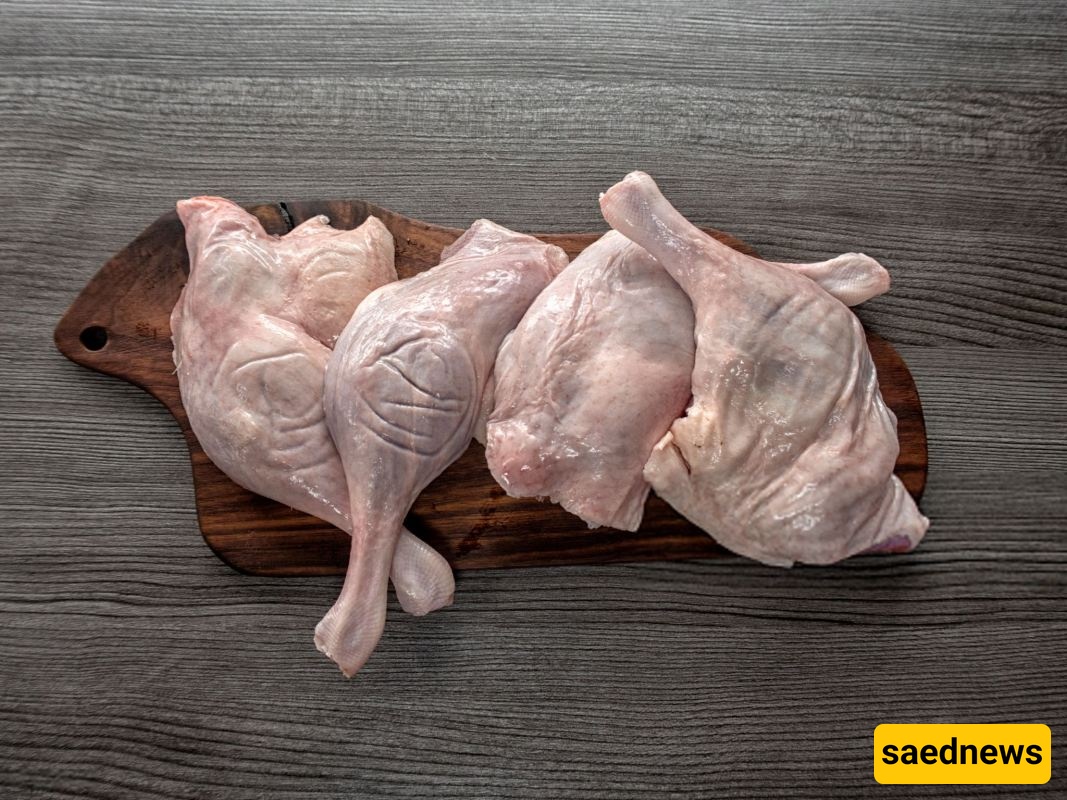
The widespread belief that chicken must be washed before cooking is incorrect. Rinsing raw chicken can spread contaminated water droplets over surrounding surfaces, kitchen equipment, clothing, and nearby dishes.
Avoid washing raw chicken. Proper cooking destroys harmful bacteria, while washing increases the risk of cross-contamination.
Microwave thawing can be risky if the chicken is not cooked immediately afterward. Microwaves heat food unevenly, causing some areas to warm significantly while others remain frozen.
If the chicken is left on the counter or stored without prompt cooking after microwave thawing, bacteria may multiply in the warmer areas. Always cook chicken immediately after thawing it in the microwave.
Some people leave chicken in a car, on a balcony, or in direct sunlight to speed up thawing. These environments can cause the meat's temperature to rise rapidly, particularly in warm weather.
At temperatures above 20°C (68°F), conditions can become increasingly favorable for rapid bacterial growth. Never use a car or direct sunlight to thaw chicken.
If chicken has not thawed sufficiently, its center may take longer to reach a safe temperature during cooking. The outside may become overcooked or burnt while the center remains raw or undercooked.
To ensure the chicken is safe to eat, use a food thermometer to check its internal temperature. The thickest part should reach at least 74°C (165°F).
Many people are unsure how long chicken takes to thaw in the refrigerator. As a general estimate, approximately 500 grams (1.1 pounds) of chicken may require 5–8 hours, while a whole chicken can take 24–48 hours, depending on its size.
Keeping chicken in a refrigerator warmer than 4°C (40°F) can increase food safety risks. Place the chicken on the lowest shelf in a sealed container to prevent its juices from dripping onto other foods.
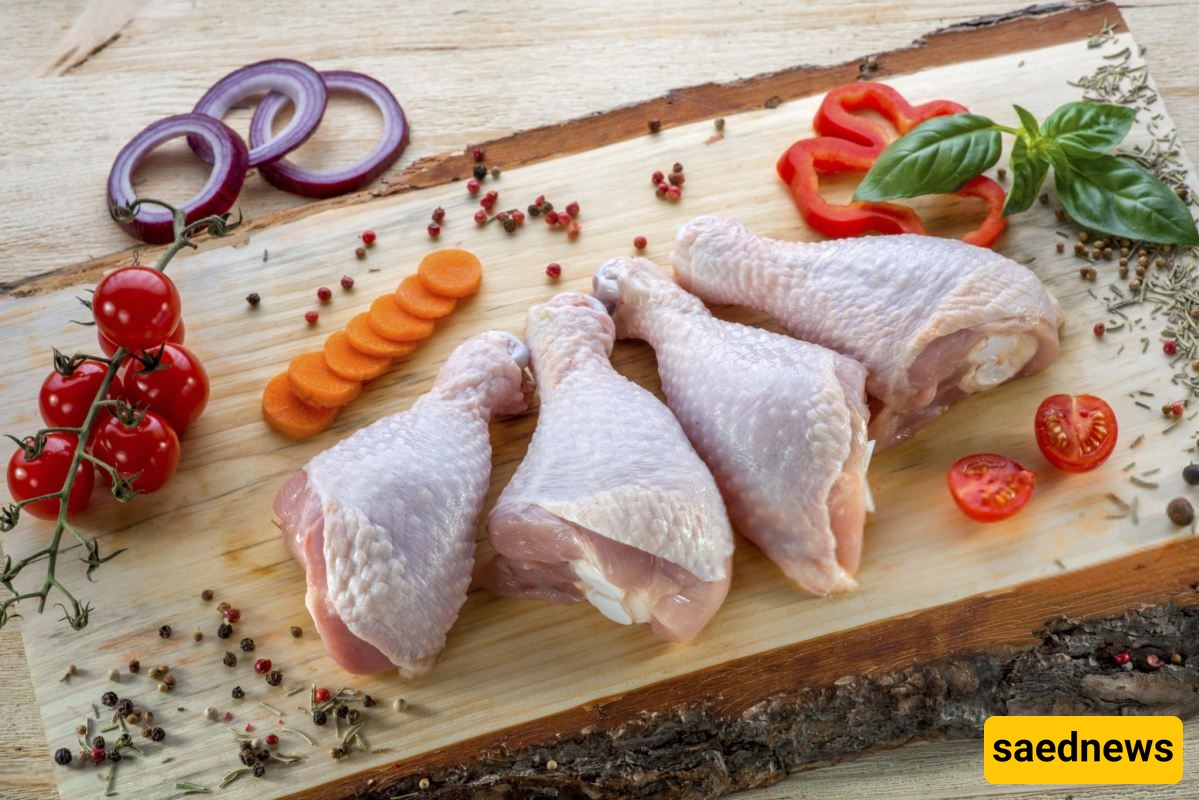
Transfer the chicken from the freezer to a refrigerator maintained at 4°C (40°F) or below.
Although this method is slower than other options, it keeps the meat at a safe temperature and helps preserve its texture. Chicken thawed in the refrigerator can generally remain refrigerated for another one to two days before cooking.
Place the chicken in a securely sealed, leakproof bag and submerge it in a bowl of cold water. Change the water every 30 minutes.
As a rough estimate, 500 grams (1.1 pounds) of chicken may take around 30 minutes to thaw, although the actual time depends on the cut and thickness. Cook the chicken immediately after thawing using this method.
Use the microwave's defrost setting or a low-power setting to thaw the chicken. This method is generally more suitable for small pieces of chicken.
Because microwave heating can be uneven, cook the chicken immediately after thawing.
If you are short on time, you can cook chicken without thawing it first. Increase the cooking time by approximately 50% and use a food thermometer to verify that the internal temperature reaches at least 74°C (165°F).
This method can work well for soups and stews, although cooking times and results may vary depending on the recipe and the size of the chicken pieces.
Wash your hands with soap and water for at least 20 seconds after handling raw chicken.
Use a separate cutting board and knife for raw chicken, or wash them thoroughly with hot, soapy water after each use.
Avoid pouring raw chicken juices around the sink or onto other surfaces. Collect them carefully and dispose of them immediately.
Clean and disinfect sponges and kitchen cloths that come into contact with raw chicken juices, or replace them when necessary.
Never place cooked chicken on the same plate or in the same container that previously held raw chicken unless it has been thoroughly washed.
Proper chicken thawing is an essential part of food safety. Avoiding these common mistakes and following safe thawing practices can help reduce the risk of foodborne illness while preserving the quality of your meals.