SAEDNEWS: This deficiency can be addressed by consuming animal-based sources such as liver, fatty fish, eggs, and dairy products, as well as plant-based foods rich in beta-carotene, including carrots, sweet potatoes, pumpkin, and leafy green vegetables.
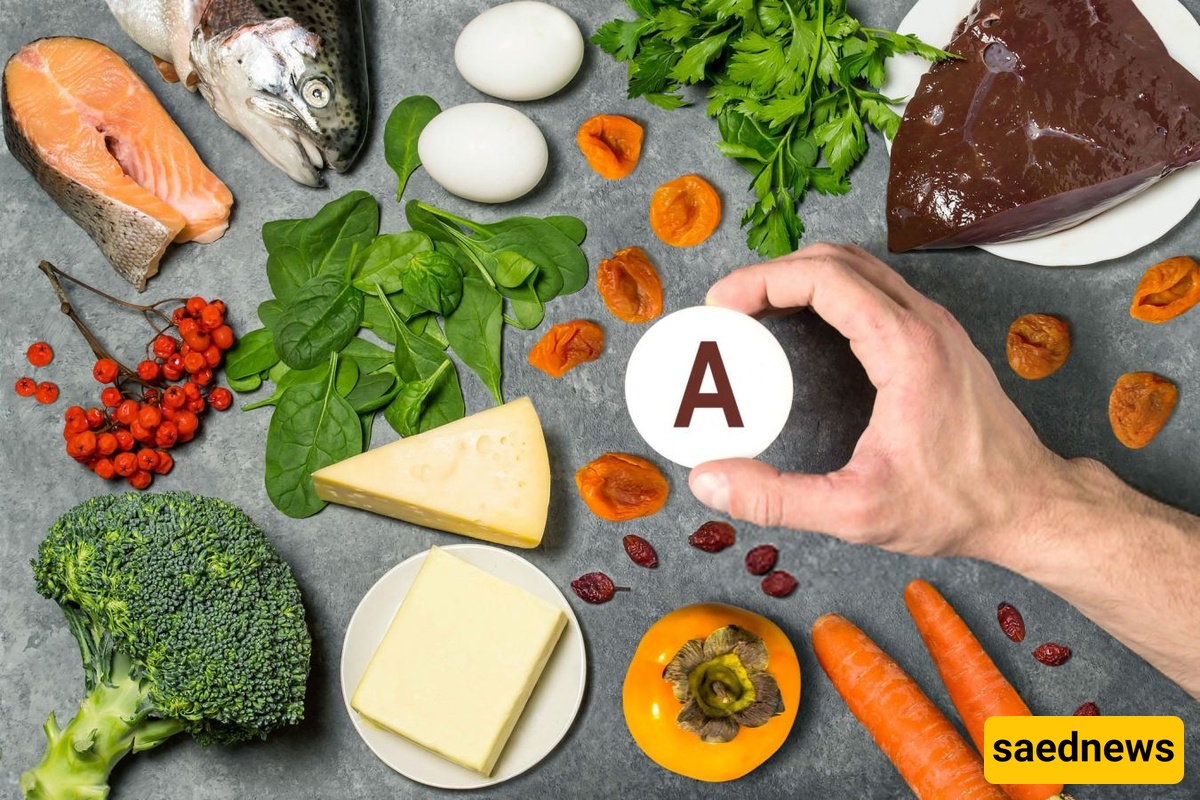
According to Saednews, Vitamin A is a fat-soluble vitamin that plays an essential role in vision, immune function, skin and mucous membrane health, and cell growth and development. A deficiency can range from a mild condition such as night blindness to more serious problems, including severe dry eyes, recurrent infections, and impaired growth in children. So, what should you eat if you have a vitamin A deficiency?
The answer is to choose foods rich in vitamin A and follow strategies that improve its absorption. This article reviews the best dietary sources of vitamin A, a sample meal plan, ways to enhance absorption, and important safety considerations.
Vitamin A occurs in two main forms in food. The first is preformed vitamin A, or retinol, which is found in animal foods such as liver, egg yolks, dairy products, and fatty fish. The second is provitamin A, mainly beta-carotene, which is found in plant foods such as carrots, sweet potatoes, pumpkin, and dark leafy greens. The body converts beta-carotene into vitamin A, although the conversion rate varies between individuals.
Vitamin A deficiency usually occurs when dietary intake is insufficient or the body cannot absorb the vitamin properly. People following restrictive diets, growing children, pregnant and breastfeeding women, older adults, and people with digestive conditions such as celiac disease, Crohn's disease, cystic fibrosis, or pancreatic insufficiency may have a higher risk of deficiency. Zinc and iron deficiencies can also interfere with vitamin A metabolism.
Recognizing the symptoms of vitamin A deficiency can help with early diagnosis. Common signs include:
Night blindness or reduced vision in low light
Dry eyes, burning, and reduced tear production
Dry skin and hair
Recurrent respiratory, digestive, or urinary infections
Delayed growth in children
Poor wound healing
In severe cases, corneal ulcers and blindness
If you experience these symptoms, consult a healthcare professional before taking any supplements or making major dietary changes. Vitamin A deficiency is generally evaluated through clinical assessment and, when appropriate, blood testing.

Animal foods provide vitamin A primarily as retinol, which is readily absorbed by the body. These foods can be particularly effective dietary sources when vitamin A intake is low.
Beef, lamb, and chicken liver are among the richest sources of vitamin A. Even a small serving of beef liver can provide several times the daily requirement. However, because liver contains very high amounts of vitamin A, it should be eaten in moderation. During pregnancy, liver and liver products are generally avoided because excessive preformed vitamin A can pose a risk to the developing baby.
Fish such as salmon, sardines, mackerel, and tuna can contribute vitamin A to the diet. Fish liver oil can also contain substantial amounts of vitamins A and D. Because excessive vitamin A intake can be harmful, concentrated fish liver oil should be used cautiously and, when appropriate, under medical guidance.
Egg yolks, whole milk, yogurt, cheese, and butter provide vitamin A. People with inadequate intake can include these foods as part of a balanced diet. Lower-fat dairy products may contain less vitamin A unless they have been fortified.
Plant foods primarily provide beta-carotene and other provitamin A carotenoids, which the body can convert into vitamin A. These foods are especially important for people who eat little or no meat or dairy.
Carrots, sweet potatoes, pumpkin, winter squash, and orange bell peppers are excellent choices. Eating these vegetables with a source of healthy fat can improve the absorption of carotenoids.
Spinach, kale, Swiss chard, broccoli, watercress, and parsley provide useful amounts of provitamin A carotenoids. Light cooking can help make carotenoids more available for absorption.
Mangoes, cantaloupe, apricots, papaya, persimmons, peaches, and watermelon can contribute provitamin A carotenoids. Eating these fruits fresh or incorporating them into smoothies can be an easy way to add more carotenoid-rich foods to the diet.
Vitamin A is fat-soluble, so consuming carotenoid-rich foods with some dietary fat can improve absorption. Adding olive oil, avocado, nuts, seeds, or dairy products to meals containing vegetables rich in beta-carotene can be helpful.
Chopping, cooking, or gently steaming vegetables can also increase the availability of beta-carotene. Adequate zinc intake is important as well, because zinc participates in vitamin A metabolism and the conversion of beta-carotene to vitamin A.
On the other hand, heavy alcohol consumption, smoking, and extremely low-fat diets can interfere with vitamin A absorption, metabolism, or storage. Addressing these factors alongside a balanced diet is important.
A varied diet can help improve vitamin A intake. The following is an example that can be adapted with guidance from a doctor or registered dietitian:
Breakfast: Two boiled eggs, a slice of whole-grain bread, cheese, several walnuts, and a glass of fresh carrot juice.
Morning snack: One mango or a bowl of cantaloupe with a few almonds.
Lunch: Grilled salmon or a moderate serving of liver occasionally, baked sweet potato, and a spinach salad with olive oil.
Afternoon snack: Full-fat yogurt with a few carrot or cucumber sticks.
Dinner: Pumpkin soup, whole-grain bread, cheese, and steamed dark leafy vegetables.
Before bed: A glass of warm milk.
This meal plan is only an example. Individual vitamin A requirements depend on factors such as age, sex, pregnancy or breastfeeding status, overall diet, and medical conditions.

For mild deficiency caused by inadequate dietary intake, improving the diet may sometimes be sufficient. However, people with moderate or severe deficiency or conditions that interfere with absorption may require vitamin A supplementation prescribed by a healthcare professional.
Taking high-dose vitamin A supplements without medical supervision can be dangerous. Unlike many water-soluble vitamins, vitamin A can accumulate in the body, and excessive amounts can cause toxicity.
Vitamin A toxicity may cause symptoms such as headache, nausea, blurred vision, bone or joint pain, and liver damage. Excessive intake during pregnancy can also increase the risk of birth defects.
A practical approach is to regularly include eggs and dairy products, fatty fish, carrots, sweet potatoes, pumpkin, dark leafy greens, and orange or yellow fruits in a balanced diet. Pair plant sources of beta-carotene with a small amount of healthy fat to support absorption.
If you have confirmed or suspected vitamin A deficiency, particularly if you have vision problems, digestive disease, or are pregnant, seek medical advice rather than relying solely on dietary changes or self-prescribed supplements.