SAEDNEWS: Often overshadowed by more familiar vegetables, kohlrabi combines a low calorie count with fiber, vitamin C, folate and other nutrients. From digestion and dietary variety to traditional claims about skin and inflammation, here is what makes this unusual member of the cabbage family worth a closer look.
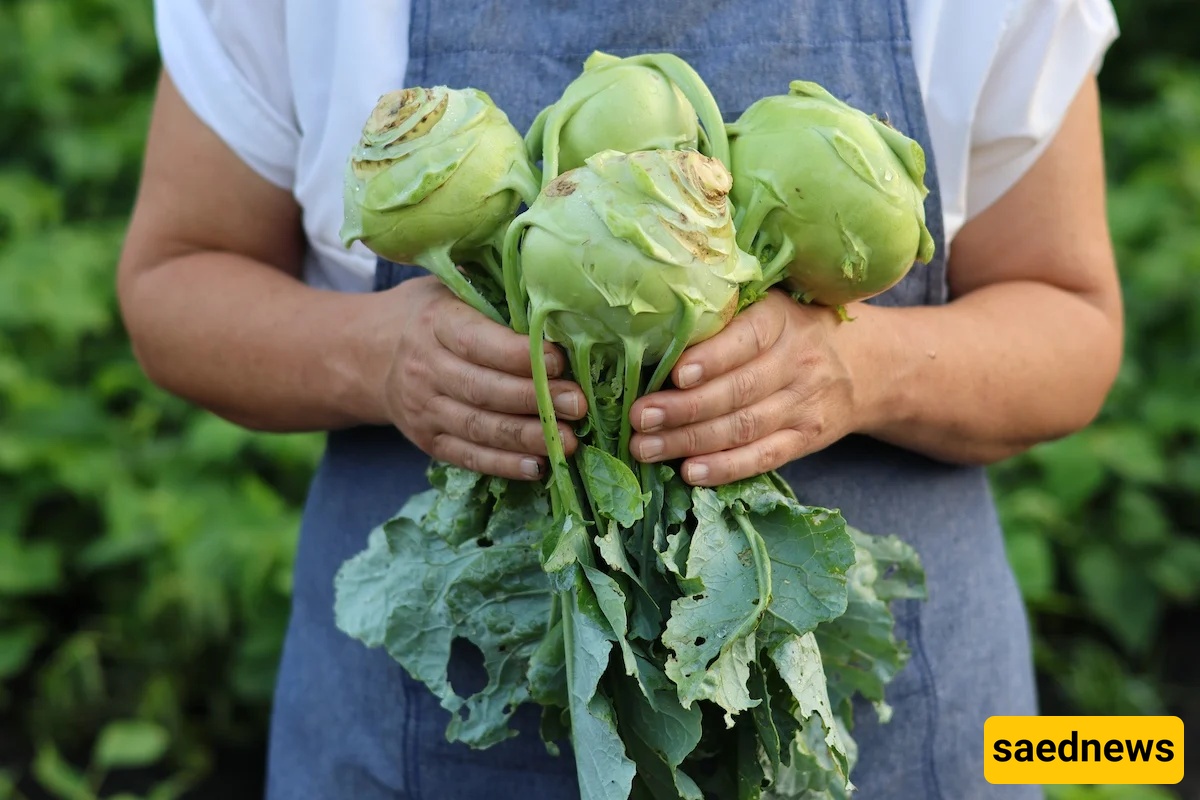
According to SaedNews: It may look like a vegetable from another planet, but kohlrabi is actually a close relative of familiar cabbage varieties—and its unusual appearance is only part of the story.
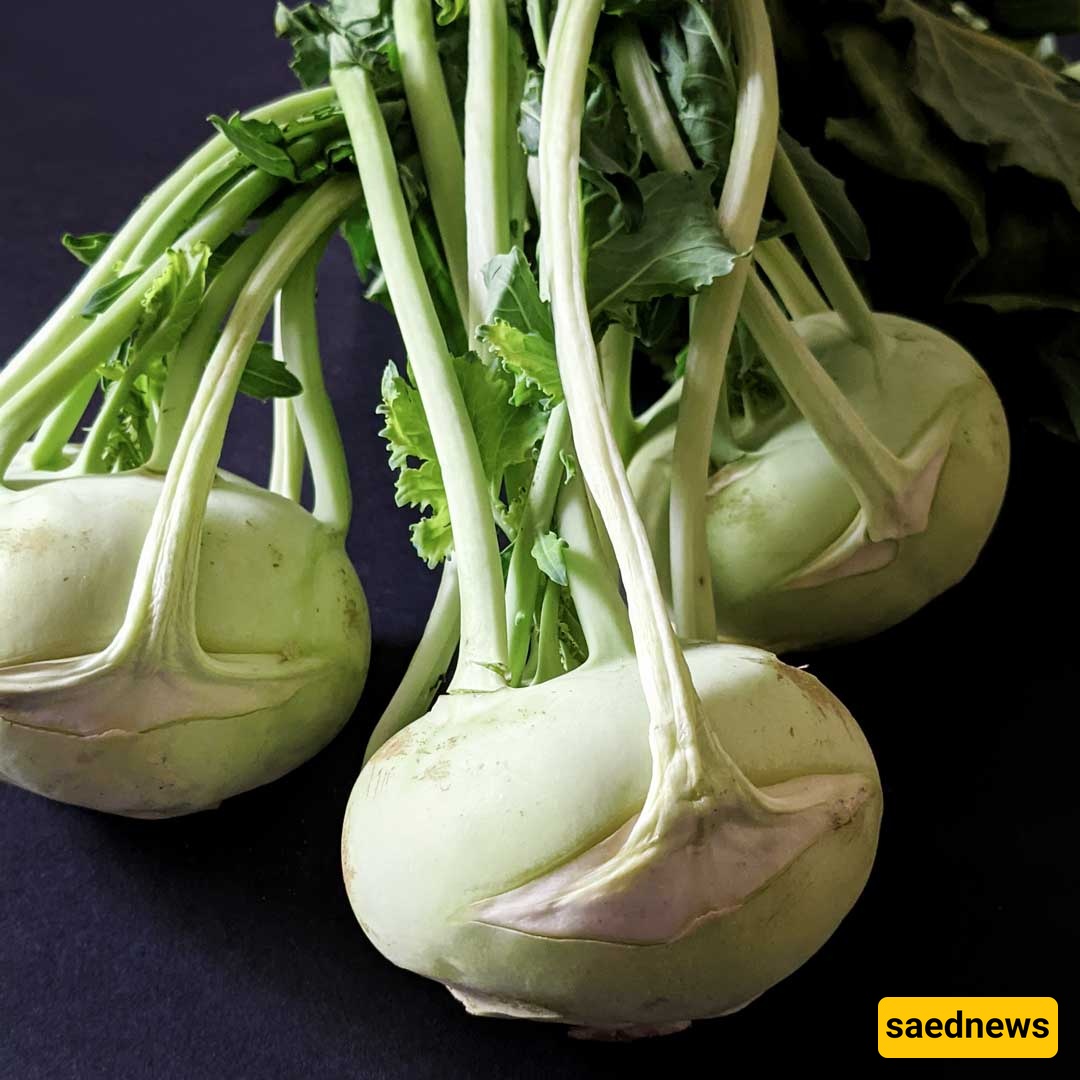
Known scientifically as Brassica oleracea var. gongylodes, kohlrabi is cultivated for its swollen above-ground stem, which forms the rounded portion commonly eaten. Depending on the variety, it can appear white, blue or purple, while its leaves can also be used as food in some countries.
One of the most appealing features of kohlrabi is its relatively low calorie content. The material provided for this article lists approximately 27 calories per 100 grams of raw kohlrabi and 29 calories for the cooked vegetable. Its nutritional profile is described as broadly comparable to cauliflower, although the leaves contain more vitamins than the swollen stem.
That combination—few calories, fiber and a range of micronutrients—helps explain why kohlrabi is often discussed as a useful addition to a balanced diet.
Among the most frequently highlighted benefits of cabbage-family vegetables is their fiber content. The source material describes cabbage as particularly useful for people dealing with constipation and notes that a 200-gram portion can provide more than 20 percent of the daily fiber requirement.
Fiber plays an important role in normal bowel function, helping support regular digestion and easier stool passage. For that reason, increasing fiber-rich vegetables in the diet can be a practical way to support digestive health.
The original material also discusses drinking cooked-cabbage water as a traditional approach to constipation. It recommends two to four glasses a day during periods of difficulty and says that the first cooking water may have a laxative effect.
However, these claims should not be confused with established medical treatment. The source itself warns that prolonged boiling may have the opposite effect and, more importantly, that people taking medication for conditions such as stomach ulcers should not stop their prescribed treatment and replace it with cabbage water.
Kohlrabi belongs to the cruciferous vegetable family and is described as a source of vitamin C, vitamin A, fiber and folate. Vitamin C is essential for collagen production and contributes to the normal functioning of the immune system. Collagen is important for skin, connective tissue, tendons and cartilage.
Folate is another important nutrient, particularly because adequate intake is associated with normal cell division and healthy development. The source material links folate with protection against congenital conditions, although such claims should be understood within the broader context of nutrition and medical care.
The vegetable also contains beta-carotene and is described in the supplied material as a source of iron, leading to claims that it may help with anemia. In reality, anemia has many possible causes, and diet alone is not an appropriate substitute for diagnosis and treatment when anemia is suspected.
The most striking claims surrounding kohlrabi and other cabbage-family vegetables involve cardiovascular disease, cancer and inflammation.
The supplied material says that these vegetables may support the body's defenses, cardiovascular function and blood vessels. It also attributes potential protective effects against several cancers—including lung, colorectal, prostate and breast cancer—to a diet rich in these vegetables.
One explanation offered is the presence of compounds released when cruciferous vegetables are chopped or chewed. These compounds are associated with the body's natural detoxification processes, including enzymes involved in processing certain chemical substances.
The source also makes a much stronger claim: eating kohlrabi or other cabbage varieties three to five times a week could reduce cancer risk by 60 percent. Such a precise figure should not be treated as a guaranteed individual outcome. Cancer risk is influenced by numerous factors, and eating vegetables is only one part of an overall healthy lifestyle.
The same caution applies to claims involving multiple sclerosis, high blood pressure, diabetes and stroke. A nutritious diet can contribute to overall health, but no single vegetable should be presented as a treatment or guaranteed prevention for complex diseases.
Another interesting claim concerns arthritis.
The source refers to American research suggesting that cabbage-family and certain tuberous vegetables may have a role in preventing arthritis. It points to antioxidants known as glucosinolates and describes them as compounds associated with protecting cartilage and limiting wear.
For people who enjoy kohlrabi, the practical suggestion is simple: incorporate raw cabbage-family vegetables into meals, such as salads, and use gentle cooking methods such as steaming when eating them cooked.
Rather than relying on one food, however, joint health is better approached through an overall balanced diet, appropriate physical activity and professional medical advice when symptoms persist.
Kohlrabi and cabbage have also been associated in the source material with traditional topical uses.
Antioxidants and anti-inflammatory compounds are described as potentially useful in connection with boils, pimples, abscesses, skin cracks and burns. The material even describes cabbage as a kind of natural poultice for certain skin problems.
These are traditional or claimed uses, not substitutes for appropriate wound care. Burns, infected wounds and abscesses can require professional treatment, particularly when symptoms are severe or worsening.
There is a straightforward reason kohlrabi can fit comfortably into a weight-conscious diet: it is relatively low in calories while providing fiber and nutrients.
Replacing some higher-calorie foods with vegetables can increase meal volume without adding as many calories. Kohlrabi can therefore be eaten raw, added to salads, cooked or combined with other vegetables as part of a varied diet.
The source also describes the vegetable as protein-rich enough to replace meat, but that statement should be treated cautiously. Kohlrabi can contribute to a nutritious diet, but it should not be considered nutritionally equivalent to meat as a protein source.
Kohlrabi is notable not only for its nutritional profile but also for its short growing period. Because it occupies the land for a relatively limited time, it can fit into crop rotations.
The supplied agricultural information says the crop is generally grown on a smaller scale because its cultivation can be more demanding than that of some other cabbage varieties. It can be cultivated in different climates and requires relatively modest nutrient inputs because of its short life cycle.
Early varieties can be started in nurseries, with a nursery period of roughly six to eight weeks. Plant spacing varies by variety and season, with the source giving different spacing recommendations for early, summer and autumn crops.
Irrigation also matters. The source warns that watering after a prolonged dry period can cause the edible stem to split.
Harvesting is relatively simple and can be done with a sharp knife. Early and medium varieties may be harvested in two or three rounds. The supplied figures estimate spring yields at around 20–30 tons per hectare and autumn yields at approximately 60–70 tons per hectare.
Under the storage conditions given in the source—about 1°C and 90 percent relative humidity—kohlrabi is reported to remain storable for up to 45 weeks.
Kohlrabi may not be the most familiar vegetable in the produce aisle, but its combination of fiber, vitamin C, folate and low calorie content makes it an interesting addition to a balanced diet.
Its connection to the broader cruciferous vegetable family also explains why researchers and nutrition writers have paid attention to its naturally occurring plant compounds.
At the same time, the more dramatic claims—from curing infections and wounds to preventing major diseases—should be approached carefully. Food can support health, but it should not automatically be treated as medicine.
For anyone looking to add more vegetables to their meals, however, kohlrabi offers plenty of possibilities. Its unusual shape may be what catches the eye first, but its nutritional profile is what gives this overlooked vegetable a reason to stay on the plate.