SAEDNEWS: Wild rice may look familiar, but it is actually the seed of a North American aquatic grass. With protein, dietary fiber, minerals and antioxidant compounds, it has attracted attention as a nutritious alternative to conventional white rice—but there are also important precautions to consider.
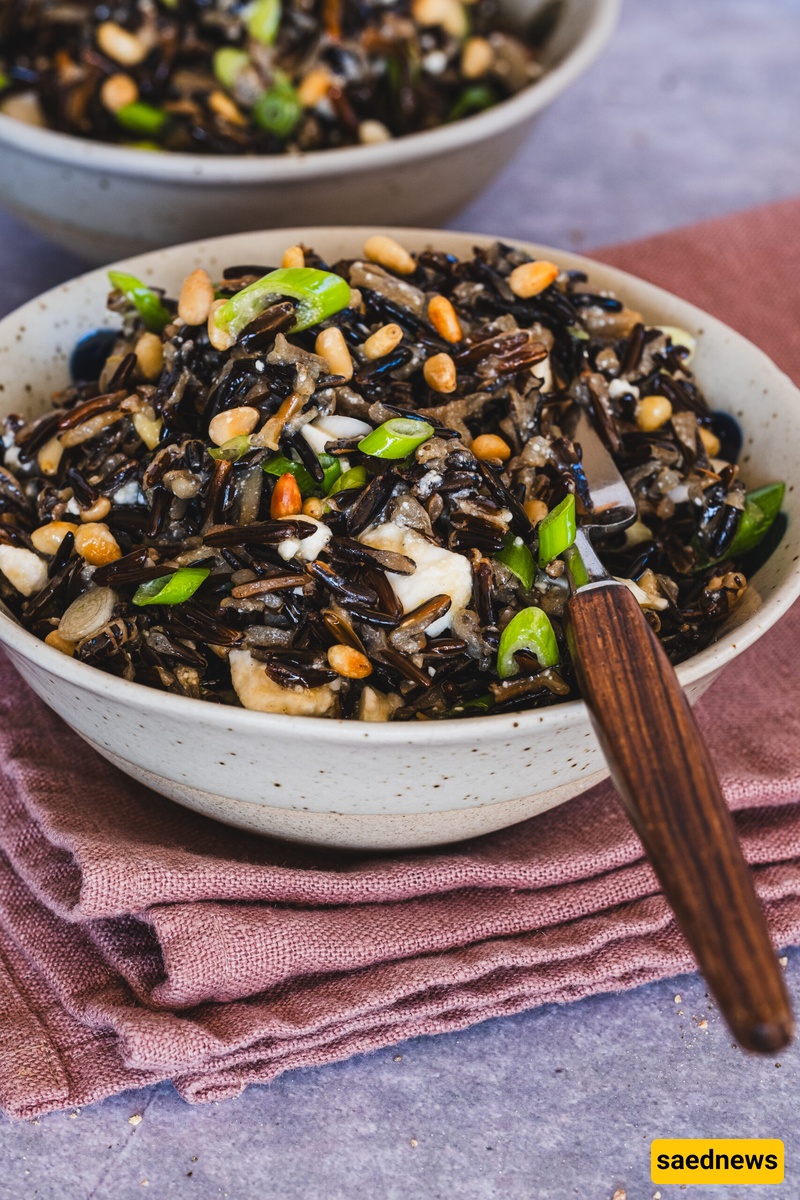
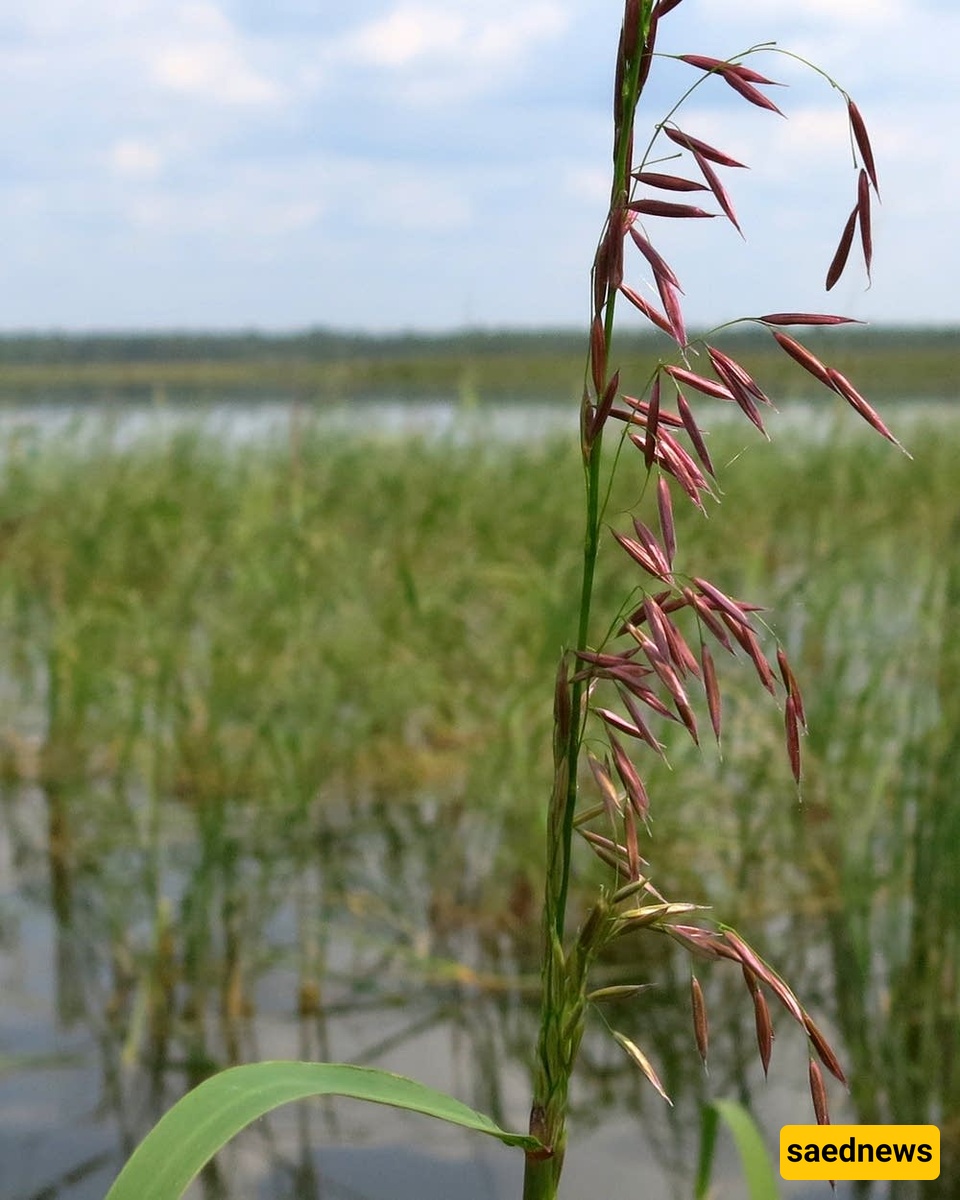
According to SaedNews: Wild rice may look like a darker, more unusual version of ordinary rice, but there is a surprising fact behind its name: it is not actually rice. It is the edible seed of a grass native to North America, and it has traditionally been harvested from shallow freshwater environments.
What makes it particularly interesting is not simply its distinctive appearance or chewy outer texture. Wild rice has a nutritional profile that includes protein, dietary fiber, minerals, vitamins and plant compounds, making it an increasingly interesting choice for people looking to add variety and nutritional value to their meals.
Unlike conventional white rice, wild rice has a dark exterior and a firmer texture when cooked. The plant grows on short stalks in shallow water, while its nutrient-rich grains develop inside an outer covering. During harvesting, some grains can fall into the muddy bottom of the water and grow again the following year.
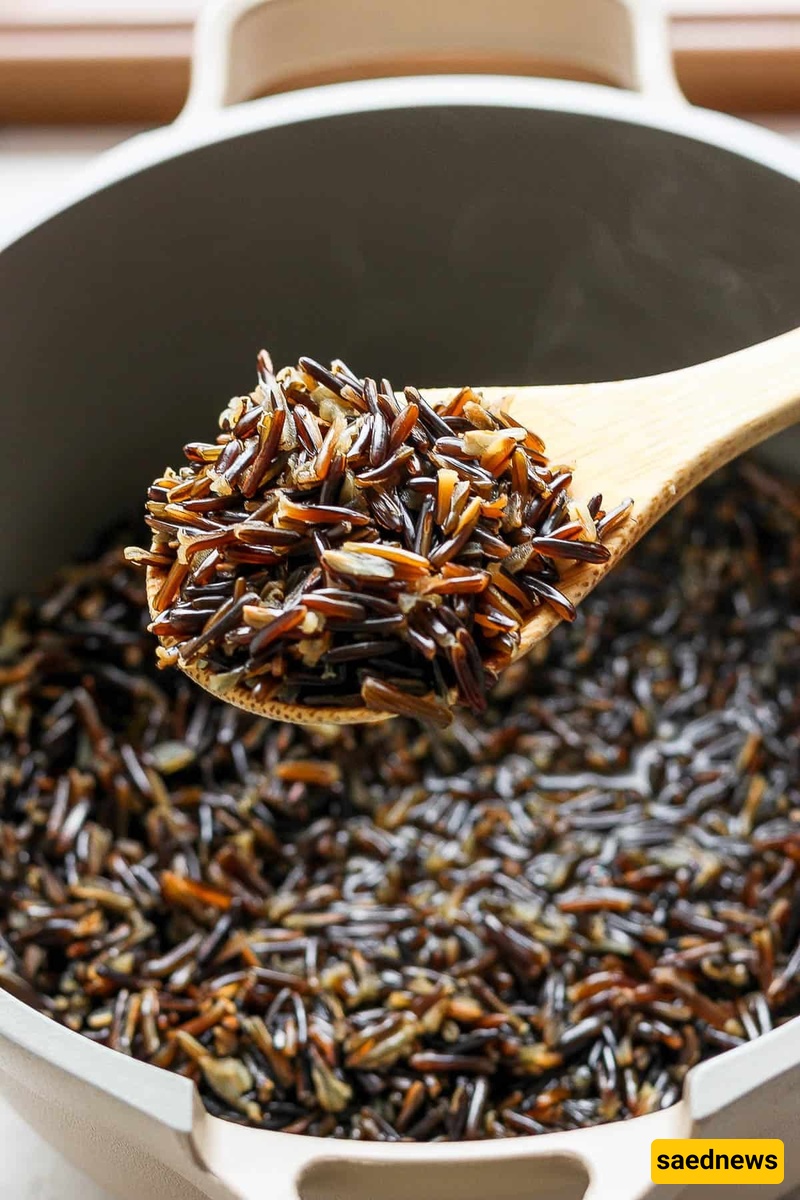
A 100-gram serving of cooked wild rice provides about 101 calories, 4 grams of protein, 0.3 grams of fat, 21 grams of carbohydrates and 2 grams of dietary fiber. It also provides small but meaningful amounts of several essential nutrients.
The same serving contains approximately 14% of the daily value for manganese, 8% for phosphorus, 8% for magnesium, 9% for zinc, 6% for copper, 6% for folate and 7% for vitamin B6.
That combination helps explain why wild rice is often highlighted as a nutrient-rich food. Protein contributes to tissue building and repair, while dietary fiber can help promote fullness and support normal digestive function.
Wild rice is also naturally low in fat and does not contain gluten, making it a useful option for people who avoid gluten-containing grains.
One of the most discussed potential benefits of wild rice is its nutritional connection to cardiovascular health.
Wild rice contains dietary fiber, which can contribute to healthier cholesterol levels as part of an overall balanced diet. Fiber is also associated with digestive health and may help people feel satisfied after eating.
The grain also supplies minerals such as magnesium and manganese, along with plant compounds that have antioxidant properties. These nutrients do not make wild rice a treatment for heart disease, but they can form part of a varied diet aimed at supporting overall health.
Fiber is one of the strongest nutritional features of wild rice. Adequate dietary fiber helps add bulk to stool and supports regular bowel movements.
A diet containing enough fiber may also help with feelings of fullness and contribute to healthy digestion. Research on dietary patterns has also linked higher fiber intake with a lower risk of some chronic diseases, although this does not mean that eating wild rice alone can prevent disease.
For people trying to increase their fiber intake, replacing or combining some refined grains with more fiber-rich choices such as wild rice can be one practical dietary strategy.
Wild rice is relatively low in calories while providing protein and fiber. That combination can make a meal more filling without adding a large amount of energy.
For that reason, wild rice may fit into eating patterns designed to support weight management. However, it is important not to treat any single food as a weight-loss solution. Overall calorie intake, physical activity and the broader quality of the diet remain much more important.
Wild rice has also drawn attention because of its antioxidant compounds.
Antioxidants help protect cells from oxidative stress caused by free radicals. The source material notes that some research has found substantially higher antioxidant activity in wild rice compared with conventional white rice.
This has led to interest in its possible role in diets associated with protection against chronic conditions. However, antioxidant content alone should not be interpreted as proof that wild rice prevents cancer, heart disease, aging or other illnesses.
Its value is better understood as part of an overall diet rich in varied plant foods.
Wild rice also stands out among grains because of its protein content. Protein is made up of amino acids that the body needs for tissue maintenance, repair and muscle development.
That can make wild rice particularly appealing as part of meals for people who consume little or no animal protein. It can be combined with vegetables, legumes or other protein sources to create a more balanced meal.
The grain also contains folate, or vitamin B9, which is important for normal cell division and development. The source material highlights folate in relation to pregnancy, but nutritional needs during pregnancy are specific, and wild rice should not be considered a substitute for medically recommended prenatal nutrition or supplements.
Wild rice is often described online as having benefits ranging from improving immunity and bone strength to reducing inflammation, supporting blood sugar control and slowing aging.
Its nutrient content can certainly contribute to a healthy eating pattern. Magnesium, phosphorus, zinc, folate, vitamin B6, fiber and antioxidant compounds all have recognized roles in normal body functions.
But that is different from saying that wild rice can prevent or treat specific diseases. Claims involving cancer, diabetes, cardiovascular disease, Alzheimer's disease, Parkinson's disease, cataracts or other conditions should be interpreted cautiously.
Food can contribute to health, but it should not replace medical treatment.
Wild rice is generally considered a nutritious food, but the source material points to two issues worth knowing about: possible heavy-metal contamination and ergot contamination.
Trace amounts of metals such as lead, arsenic and cadmium have been identified in some wild rice species in the United States. Such contamination can be influenced by environmental pollution and the water or wetland conditions where the plant grows.
There is also a possibility of ergot infection caused by fungi in the Claviceps group. Contaminated grains may show unusual pink or purple discoloration and fungal growth. Eating contaminated grain can cause symptoms such as nausea, vomiting, diarrhea, headaches and, in severe cases, seizures. Improved agricultural practices and grain-quality standards reduce this risk, and ergot poisoning is considered uncommon.
Cooking wild rice takes a little longer than cooking ordinary white rice, but the process is straightforward.
Start by rinsing the uncooked grains under cold water until the water becomes clearer. This helps remove excess surface starch.
For a basic preparation, combine one cup of uncooked wild rice with about three cups of water or broth in a covered 2- to 3-liter saucepan. Bring the liquid to a boil, then reduce the heat, cover the pot and simmer for roughly 35 to 50 minutes.
The grains should expand and begin to split open as they cook. Taste a few grains to check the texture. If they are still too firm, continue cooking for several more minutes and add a little more liquid if necessary.
Once cooked, fluff the grains with a fork and serve.
Wild rice can also be prepared in a rice cooker using water or broth and a small amount of salt. Depending on the appliance, the “Wild Rice” or “Rice” setting can be used.
For storage, uncooked wild rice can be kept in a dry, tightly sealed container. Cooked wild rice can be refrigerated in a well-covered container for up to one week and frozen for up to six months, according to the supplied material.
Ultimately, wild rice is interesting precisely because it offers more than an alternative appearance. It brings protein, fiber, minerals and plant compounds to the table while providing a distinct texture and flavor.
It is not a miracle food, nor should it be treated as a cure for disease. But for anyone looking to diversify their grains and build more nutrient-rich meals, wild rice can be a practical and flavorful option. Would you consider replacing some of the rice on your plate with this unusual North American grain?