SAEDNEWS: Genital Warts: A Contagious Viral Disease Caused by HPV, Primarily Transmitted Through Sexual Contact and Requiring Accurate Diagnosis and Treatment
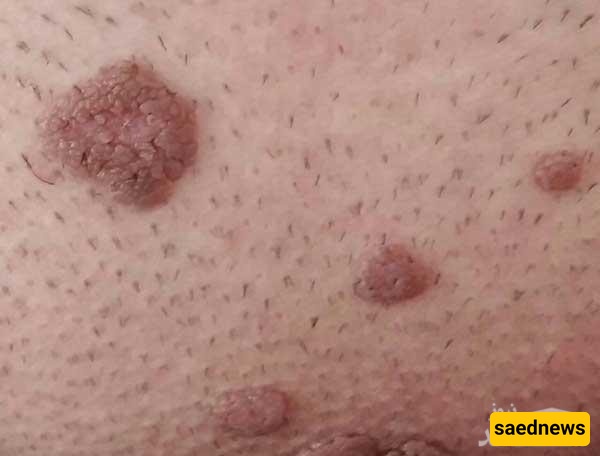
According to Saednews , the main cause of genital warts, like other types of warts, is a virus called Human Papillomavirus (HPV). This virus has many different types—over one hundred have been identified so far, some of which are more clinically important than others. In general, HPV infection leads to the formation of lesions known as warts.
The most common locations for warts, especially in children, are the hands and feet. However, warts can appear anywhere on the body, including the palms, soles, scalp, and even mucous membranes. The most important concerns regarding common warts are their unattractive appearance and their ability to spread. In addition, warts can serve as an entry point for other microorganisms and may contribute to the development of further infections.
One less visible but important site for wart formation is the genital area. Genital warts are caused by a group of HPV types that are highly significant due to their contagious nature and potential for disease transmission.
Genital warts differ somewhat from common warts because they appear in warm, moist areas exposed to friction. Warts that develop in dry skin areas such as the groin, around the anus, and on the scrotum are more similar in appearance to common warts found on the hands and feet.
Generally, these lesions appear as small raised growths, about 1–2 millimeters in size. In some cases, they may have a soft, velvety appearance and can be skin-colored, darker, or even lighter than the surrounding skin.
Warts in moist areas tend to have a flatter surface and may not resemble typical wart structures. In some genital regions that naturally have uneven surfaces, diagnosis can be challenging, especially in women, and misidentification may occur.
These lesions can vary in size—sometimes very small and difficult to detect, and other times large and more visible. Because of this variability, treatment may require multiple sessions. In some cases, small lesions may disappear without treatment, while in others they persist, grow, or spread across the area.
A key concern with genital warts is their contagious nature. The primary route of transmission is sexual contact.
Unlike other types of warts that can be avoided through simple precautions such as not sharing personal items or avoiding direct skin contact, there is no completely safe method to fully prevent transmission through sexual contact.
In the vast majority of cases, genital warts are transmitted through sexual contact. Therefore, in couples where one partner is infected, medical examination and appropriate treatment of both partners are necessary for complete recovery.
The risk increases significantly in cases of high-risk sexual behavior or having multiple sexual partners. In rare cases, transmission may occur through contaminated underwear, towels, or razors.
Improper and unsterile cosmetic procedures such as laser treatments or hair removal (waxing) performed in unlicensed beauty centers may also contribute to transmission. This can happen due to inadequate sterilization of tools that come into direct contact with infected skin.
An important aspect of managing genital warts is education about avoiding high-risk sexual behavior and maintaining mutual fidelity in relationships.
Because of the viral and contagious nature of the infection, proper follow-up of treatment is essential. The virus may remain dormant in the skin, and visible lesions may not always be present during initial treatment sessions. Therefore, multiple treatment sessions are often required.
Key preventive recommendations include:
Avoiding high-risk or unprotected sexual contact
Avoiding treatment or hair removal procedures in unlicensed centers
Not touching, scratching, or picking at lesions
Avoiding shaving the affected area until complete healing
Ensuring both partners are examined and treated if needed
Using protective measures such as condoms during sexual activity
Following these guidelines can help reduce the spread of the infection and improve treatment outcomes.