SAEDNEWS: According to Islamic religious authorities, if the products used in eyelash lifting or lamination create a barrier on the skin, they may affect the validity of Wudu (ablution) and Ghusl (ritual bathing). Such substances must be completely removed before performing Wudu or Ghusl.
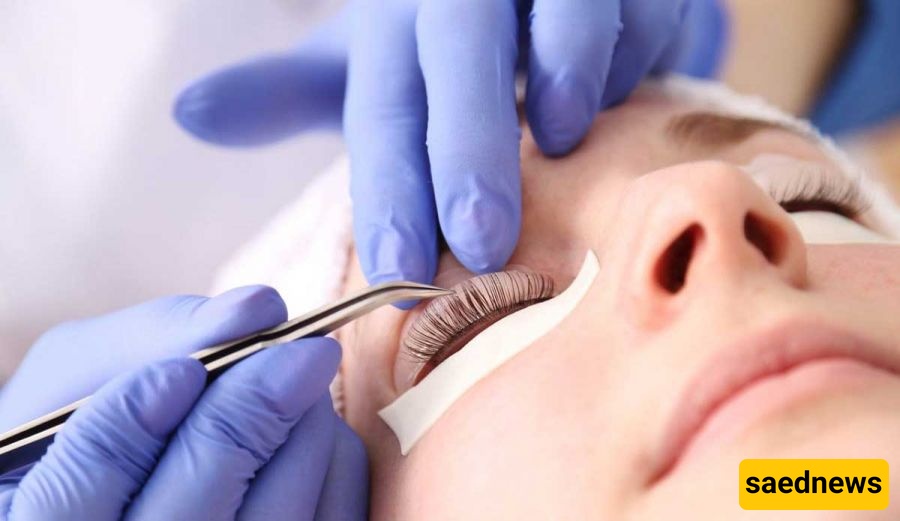
According to Saednews, Islamic scholars generally agree that eyelash lifting and lamination are permissible in themselves. However, an important question arises: do these treatments prevent water from reaching the required areas during wudu (ablution) and ghusl (ritual bathing), potentially invalidating them?
Different religious authorities have addressed this question in different ways. However, they agree on one fundamental requirement: during wudu or ghusl, a person must ensure that water reaches all the parts of the body that are required to be washed. This article examines the views of several prominent Shia religious authorities on the matter.
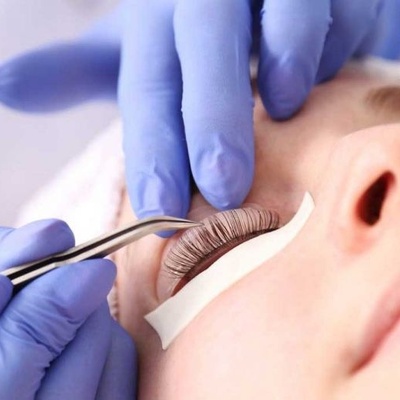
Eyelash lifting is a cosmetic treatment designed to enhance and strengthen eyelashes using keratin and vitamin supplements. The procedure involves treating, tinting, and curling the lashes to create a more defined appearance. Unlike traditional eyelash curling, which curls the lashes along their length, a lash lift curls them from the base, making them appear longer and more prominent.
This method is popular because it does not require the use of conventional eyelash curlers. It gives the lashes a natural, gentle curl and enhances their overall appearance.
The result is darker, longer-looking eyelashes that can make the eyes appear more attractive. Eyelash lifting is also considered an alternative to traditional eyelash curlers, which may damage or break lashes if used improperly or too frequently.
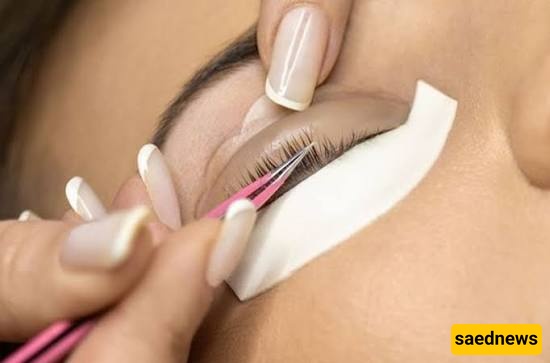
After an eyelash lift, some people choose to tint their lashes and make them appear thicker. This additional procedure is known as eyelash lamination.
Lamination typically uses keratin and vitamin-enriched products to condition and strengthen the eyelashes. Depending on the products used and individual factors, the results may last from approximately two weeks to three months.
The treatment is generally completed in several stages over a single session. The products applied to the lashes often contain keratin and other conditioning ingredients. Similar to mascara, the treatment enhances the appearance of the eyelashes by making them look thicker, longer, darker, and healthier.
As mentioned above, one of the essential conditions for valid wudu and ghusl is that water must reach all the areas that Islamic law requires to be washed. If a substance prevents water from reaching those areas, the ritual purification may be invalid.
Many cosmetic products are permissible to use in themselves. However, certain products can create difficulties when performing religious obligations.
Nail polish is one example. Although wearing nail polish is generally permissible, some religious authorities require it to be removed before wudu because it prevents water from reaching the nails.
The following are the reported views of several Shia religious authorities regarding eyelash lifting and lamination.
Any barrier on the skin that prevents water from reaching the parts that must be washed during wudu or ghusl invalidates the purification.
Therefore, if the products or tools used in eyelash lifting or lamination create a coating or layer on the eyelashes or skin that prevents water from reaching the required areas, wudu and ghusl would be invalid.
If the products interact with the skin in a way that creates a layer on its surface, or if the substances are oily, their use may pose a problem for wudu and ghusl.
However, if the procedure uses products such as keratin treatments or dyes that do not create such a barrier, there is no problem according to the ruling reported in the source.
If the substance used is merely a color and does not form a physical layer, there is no problem.
However, if the substance has a physical presence and creates a coating on the eyelashes that prevents water from reaching them, wudu and ghusl would be invalid.
If a substance, such as a gel, is used and prevents water from reaching the parts that must be washed during wudu or ghusl, there is a problem.
However, if the change in the shape of the eyelashes is achieved through heat rather than through a water-blocking substance, there is no problem.
If no substance remains on the eyelashes themselves, but the change in their shape or color results from a product that prevents water from reaching the eyelashes, this would pose a problem for wudu and ghusl.
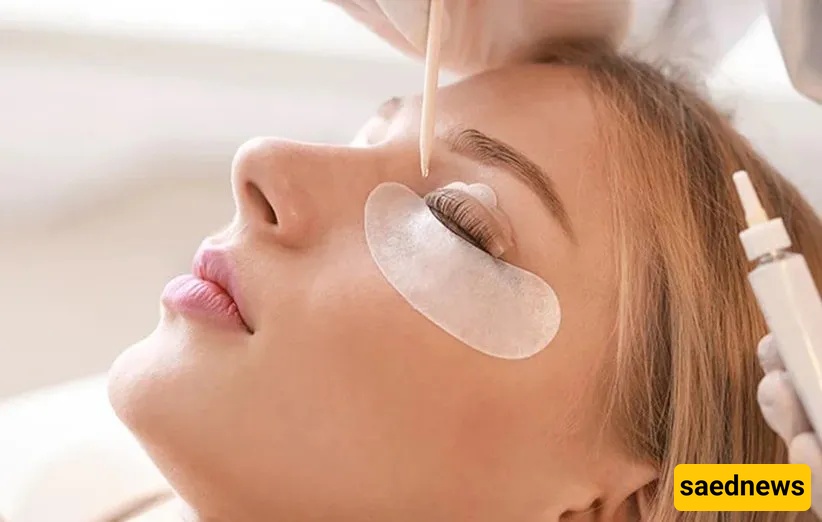
The key consideration in the reported rulings is whether the products used in eyelash lifting or lamination prevent water from reaching the areas that must be washed during wudu and ghusl.
If the treatment leaves a physical coating, an oily layer, or another barrier that prevents water from reaching the required areas, it may invalidate wudu and ghusl. In such cases, the barrier must be removed before performing the relevant purification, where required by the applicable ruling.
If the treatment only changes the color or shape of the eyelashes without leaving a water-blocking barrier, it generally does not pose the same problem.
The essential distinction is between changing the appearance of the eyelashes and creating a barrier that prevents water from reaching them. Since specific rulings may differ between religious authorities, anyone who follows a particular marja should consult that authority's official guidance to determine whether a particular eyelash treatment affects the validity of wudu or ghusl.