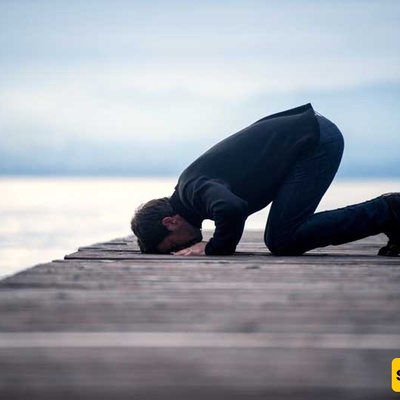
SAEDNEWS: The Prayer of Precaution is a one- or two-unit prayer that becomes obligatory when a person doubts the number of units performed in certain four-unit prayers. In seven cases of doubt regarding the number of prayer units, the original prayer remains valid by performing the Prayer of Precaution.
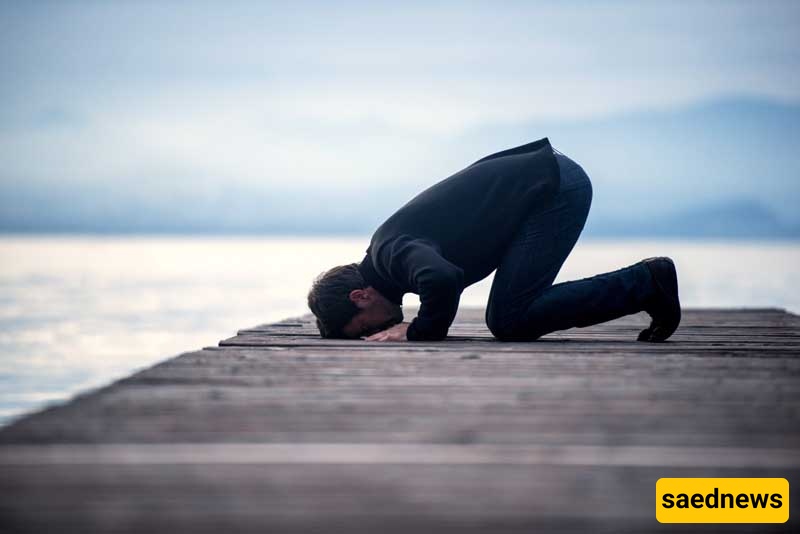
According to Saednews, A person who is required to perform the Prayer of Precaution must immediately intend to perform it after completing the obligatory prayer with salām, say Takbīrat al-Iḥrām (Allāhu Akbar), recite only Sūrat al-Fātiḥah (al-Ḥamd), and then perform rukūʿ (bowing) and sujūd (prostration).
If one rakʿah of the Prayer of Precaution is required, the person must recite tashahhud after the two prostrations and then say salām. If two rakʿahs are required, the person must perform another rakʿah in the same manner as the first, then recite tashahhud and say salām.
The Prayer of Precaution consists of standing, the intention to perform the Prayer of Precaution, takbīr, reciting Sūrat al-Fātiḥah alone, bowing, two prostrations, tashahhud, and salām.
The Prayer of Precaution does not include adhān, iqāmah, an additional sūrah, or qunūt.
Sūrat al-Fātiḥah must be recited quietly, even if the original prayer was the ʿIshāʾ prayer, during which men ordinarily recite al-Fātiḥah and the additional sūrah aloud.
This prayer must be performed immediately after completing the original prayer and before doing anything that invalidates the prayer's form.
All the conditions that apply to other obligatory prayers must also be observed in the Prayer of Precaution.
If a person realizes before performing the Prayer of Precaution that the original prayer was correct, there is no need to perform the Prayer of Precaution. If this realization occurs while performing it, the person does not need to complete it.
If a person realizes before performing the Prayer of Precaution that the original prayer was short by one or more rakʿahs, the following rules apply:
If the person has not committed an act that invalidates the prayer, they must complete the missing portion of the original prayer and perform two prostrations of forgetfulness (sujūd al-sahw) for the unintended salām.
If the person has committed an act that invalidates the prayer, such as turning their back toward the qiblah, they must repeat the prayer.
If, after performing the Prayer of Precaution, a person realizes that the missing portion of the original prayer was equal to the Prayer of Precaution, the prayer is valid. For example, if someone doubts whether they performed three or four rakʿahs, performs one rakʿah of the Prayer of Precaution, and then realizes that they had performed only three rakʿahs, their prayer is valid.
If, after performing the Prayer of Precaution, a person realizes that the missing portion of the original prayer was less than the Prayer of Precaution, they must connect the missing portion to the original prayer and repeat the prayer. For example, if someone doubts whether they performed two or four rakʿahs, performs two rakʿahs of the Prayer of Precaution, and then realizes that they had performed three rakʿahs, they must complete the missing portion and repeat the prayer.
If, after performing the Prayer of Precaution, a person realizes that the missing portion of the original prayer was greater than the Prayer of Precaution, the following rules apply:
If they have committed an act that invalidates the prayer, such as turning their back toward the qiblah, they must repeat the prayer.
If they have not committed an act that invalidates the prayer, they must perform the missing rakʿahs and repeat the original prayer.
For example, if someone doubts whether they performed three or four rakʿahs, performs one rakʿah of the Prayer of Precaution, and then realizes that they had performed only two rakʿahs, they must follow the above ruling.
If a person doubts whether they performed two, three, or four rakʿahs and, after completing two standing rakʿahs of the Prayer of Precaution, remembers that they had performed only two rakʿahs, they do not need to perform the two seated rakʿahs of the Prayer of Precaution.
If a person doubts whether they performed three or four rakʿahs and, while performing either two seated rakʿahs or one standing rakʿah of the Prayer of Precaution, remembers that they had performed three rakʿahs, they must complete the Prayer of Precaution, and their prayer is valid.
Read more: What Is Doubt in Prayer? How to Perform the Prayer of Precaution
If a person doubts whether they performed two, three, or four rakʿahs and, while performing the two standing rakʿahs of the Prayer of Precaution, remembers before the rukūʿ of the second rakʿah that they had performed three rakʿahs, they must sit down and complete the Prayer of Precaution as one rakʿah. As a recommended precaution, they should repeat the original prayer.
If a person realizes during the Prayer of Precaution that the missing portion of the original prayer was greater or smaller than the Prayer of Precaution, and they cannot complete the Prayer of Precaution in a manner that corresponds to the missing portion, they must discontinue it, complete the missing portion of the original prayer, and, as an obligatory precaution, repeat the prayer.
For example, if a person doubts whether they performed three or four rakʿahs and, while performing two seated rakʿahs of the Prayer of Precaution, remembers that they had performed only two rakʿahs, they cannot count two seated rakʿahs as two standing rakʿahs. Therefore, as an obligatory precaution, they must discontinue the seated Prayer of Precaution, perform the two missing rakʿahs of the original prayer, and repeat the prayer.
If a person doubts whether they have performed the required Prayer of Precaution, the following rules apply:
If the time for the prayer has expired, they should disregard the doubt.
If time remains, and they have not started another activity, left their place of prayer, or committed an act that invalidates the prayer, such as turning away from the qiblah, they must perform the Prayer of Precaution.
If the person has started another activity, committed an act that invalidates the prayer, or allowed a long time to pass between the original prayer and the doubt, the recommended precaution is to perform the Prayer of Precaution and repeat the original prayer. However, they may instead assume that they have performed the Prayer of Precaution and suffice with that.
If a person adds an essential element (rukn) to the Prayer of Precaution, or performs two rakʿahs instead of one, the Prayer of Precaution becomes invalid. As an obligatory precaution, they must repeat both the Prayer of Precaution and the original prayer.
If a person doubts whether they have performed one of the actions of the Prayer of Precaution, they must perform it if its proper place has not passed. If its proper place has passed, they should disregard the doubt. For example, if they doubt whether they recited al-Fātiḥah, they must recite it if they have not yet bowed. If they have already bowed, they should disregard the doubt.
If a person doubts the number of rakʿahs in the Prayer of Precaution, they must assume the greater number. However, if assuming the greater number would invalidate the prayer, they must assume the smaller number. As a recommended precaution, they should repeat the Prayer of Precaution and then repeat the original prayer.
If a person unintentionally omits or adds something that is not an essential element of the Prayer of Precaution, no prostrations of forgetfulness are required.
If, after saying salām at the end of the Prayer of Precaution, a person doubts whether they performed one of its components or fulfilled one of its conditions, they should disregard the doubt.
If a person forgets the tashahhud or one prostration in the Prayer of Precaution, the recommended precaution is to make it up after saying salām, although this is not obligatory.
If a person is required to perform the Prayer of Precaution as well as make up one prostration, one tashahhud, or two prostrations, they must perform the Prayer of Precaution first.
Certainty and a strong presumption regarding the number of rakʿahs are treated alike. For example, if a person has a strong presumption that they have performed four rakʿahs in a four-rakʿah prayer, they do not need to perform the Prayer of Precaution. However, if they have a strong presumption concerning something other than the number of rakʿahs, they must follow the relevant precautionary ruling. The specific instructions for each case are explained in detailed religious law manuals.
The rulings concerning doubt, forgetfulness, and strong presumption are the same in the daily obligatory prayers and other obligatory prayers. For example, if a person doubts whether they have performed one or two rakʿahs in the two-rakʿah Prayer of Signs (Ṣalāt al-Āyāt), the prayer is invalid because the doubt concerns a two-rakʿah prayer.
The Prayer of Precaution is performed to compensate for a possible deficiency in the number of rakʿahs when a person doubts how many rakʿahs they have completed.
After saying salām at the end of the original prayer, the person must immediately intend to perform the Prayer of Precaution, say Allāhu Akbar, recite Sūrat al-Fātiḥah, bow, and perform two prostrations.
If the Prayer of Precaution consists of one rakʿah, the person must recite tashahhud after the two prostrations and say salām. If it consists of two rakʿahs, they must perform another rakʿah in the same manner as the first, then recite tashahhud and say salām.
Note: The Prayer of Precaution does not include adhān, iqāmah, an additional sūrah, or qunūt. The intention must not be verbalized, and al-Fātiḥah, including Bismillāh, must be recited quietly. Between the original prayer and the Prayer of Precaution, the person must not do anything that invalidates the prayer.
The prostration of forgetfulness (sujūd al-sahw) must be performed in the following three situations:
When a person speaks unintentionally during prayer.
When a person forgets one prostration.
When a person, during a four-rakʿah prayer, doubts after the second prostration whether they have performed four or five rakʿahs.
After completing the prayer and saying salām, the person must immediately intend to perform the prostration of forgetfulness and go into prostration. They may recite any one of the following three formulas:
1. Bismillāhi wa billāh, wa ṣallallāhu ʿalā Muḥammadin wa ālih.
In the name of Allah and by Allah; may Allah bless Muhammad and his family.
2. Bismillāhi wa billāh, Allāhumma ṣalli ʿalā Muḥammadin wa āli Muḥammad.
In the name of Allah and by Allah. O Allah, bless Muhammad and the family of Muhammad.
3. Bismillāhi wa billāh. As-salāmu ʿalayka ayyuhan-nabiyyu wa raḥmatullāhi wa barakātuh.
In the name of Allah and by Allah. Peace be upon you, O Prophet, and the mercy of Allah and His blessings.
After reciting one of these formulas in prostration, the person must sit up, perform a second prostration, and recite one of the formulas again. They must then sit up, recite tashahhud, and say salām.