SAEDNEWS: Embroidery is a highly delicate and beautiful art form. As its name suggests, it is inspired by the beauty of nature’s flowers. Using threads such as silk, acrylic, or regular sewing threads, it creates raised and elegant decorative patterns on fabric.
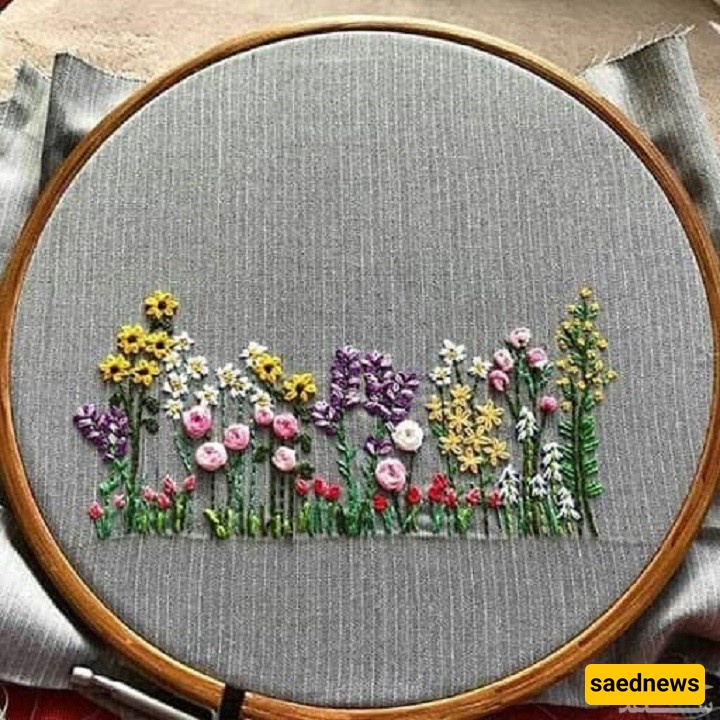
According to Saednews, Embroidery is a handmade art form in which decorative raised designs are created on fabric or similar materials using silk threads, gold threads, or ordinary sewing threads. In the beginning, embroidery mainly consisted of floral patterns, but over time, many other designs were introduced as the art developed.
History of Embroidery
The word embroidery comes from the French word broderie, meaning “to decorate” or “to embellish.” Today, embroidery has fans and artists all over the world, but it is believed to have originated in China and the Near East.
The earliest known examples of embroidery date back to the 9th and 10th centuries in Sweden, during the Viking Age. About two centuries later, around the year 1000 AD, embroidery became widespread in Europe. At that time, the Christian Church was very powerful and used decorated fabrics to display wealth and grandeur, hanging embroidered textiles on walls or using them as table coverings.
One of the most famous embroidery works in history is the Bayeux Tapestry, which depicts the Norman conquest of England in 1066. This artwork is about 70 meters long and 50 centimeters wide, and it contains around fifty embroidered scenes made on linen fabric using colored wool threads.
Materials Needed for Embroidery
To do embroidery, the following tools are commonly used:
Embroidery threads (such as cotton floss or DMC threads in various colors)
Fabric (usually cotton or non-stretch fabrics; high-quality embroidery fabric is recommended for beginners)
Embroidery hoop to hold the fabric tight
Needles (long, specialized embroidery needles)
Scissors
Fabric transfer tools such as carbon paper, markers, or heat-erasable pens
Stabilizer/interfacing used when the fabric is difficult to stitch directly; it is attached with heat to make sewing easier
Applications of Hand Embroidery
Embroidery can be done in two main ways:
Machine embroidery (computerized) using sewing machines
Hand embroidery using a needle and thread
Hand embroidery is used in many ways, such as:
Decorating coats, scarves, and dresses
Creating wall art and framed embroidery pieces
Designing tablecloths and home décor items
Decorating children’s clothing with cartoon or floral designs
In general, embroidery is a decorative art that can be applied to fabric and then turned into clothing, accessories, or decorative objects.
Machine Embroidery
Modern embroidery machines are used both at home and in industry. These machines are often computerized and allow users to input designs digitally.
They can accurately stitch patterns onto fabric with high precision. Many machines support multiple threads and colors, depending on their design and brand. This makes production of detailed embroidered designs faster and more consistent.
Types of Embroidery Designs
Embroidery designs are very diverse and can include almost any pattern, such as:
Floral and natural designs (flowers, leaves, trees)
Birds and animals
Abstract patterns
Cartoon and fantasy designs for children’s clothing
Traditional floral patterns for home textiles
Raised embroidery techniques are also used to give flowers and patterns a 3D effect.
To ensure symmetry and accuracy, templates or stencils are often used before stitching.
Creative Embroidery Ideas
Here are some popular creative uses of embroidery:
Decorating walls by hanging embroidery hoops as artwork
Making decorative pincushions
Beautifying plain bags with embroidery
Decorating pillows and cushions
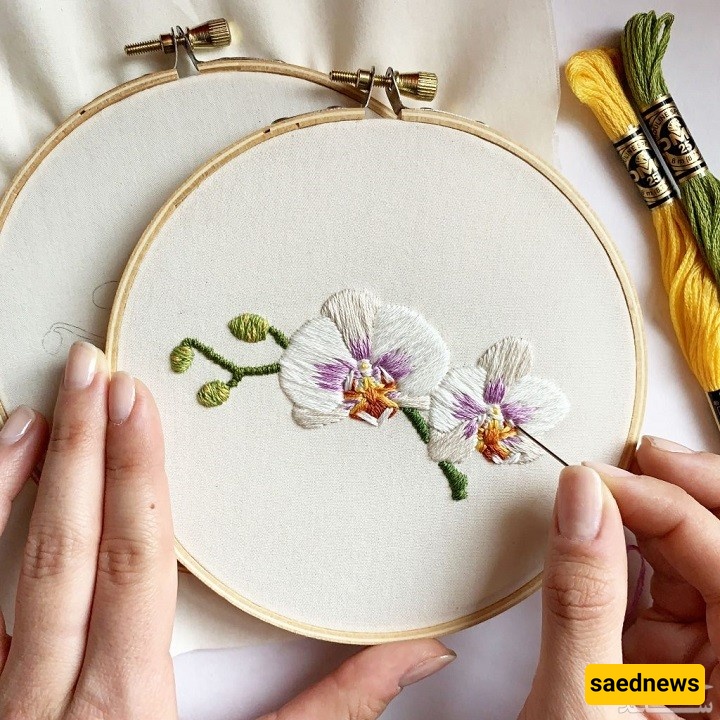
Step-by-Step Hand Embroidery Process
Prepare all necessary embroidery materials such as fabric, threads, needles, scissors, and hoop.
Select a pattern based on your inspiration or use ready-made designs from books or the internet.
Draw or transfer the design onto the fabric using washable pens, heat-erasable markers, carbon paper, or printed templates.
Common embroidery stitches include:
Running stitch
Backstitch
Stem stitch
Chain stitch
French knot
Separate embroidery floss strands if needed and thread the needle carefully for neat stitching.
Place the fabric in the embroidery hoop and tighten it so the surface is smooth and stable.
Begin embroidery by following the design. Secure the thread at the beginning and end to prevent unraveling.
Embroidery is both a traditional and modern decorative art that allows endless creativity on fabric, from simple handmade crafts to detailed artistic works.