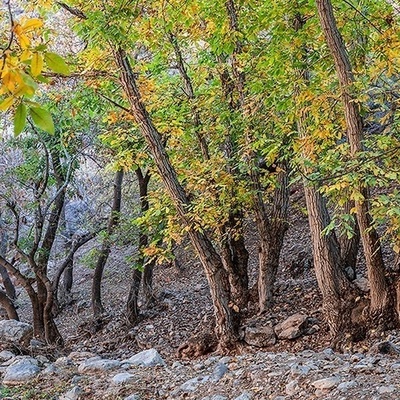
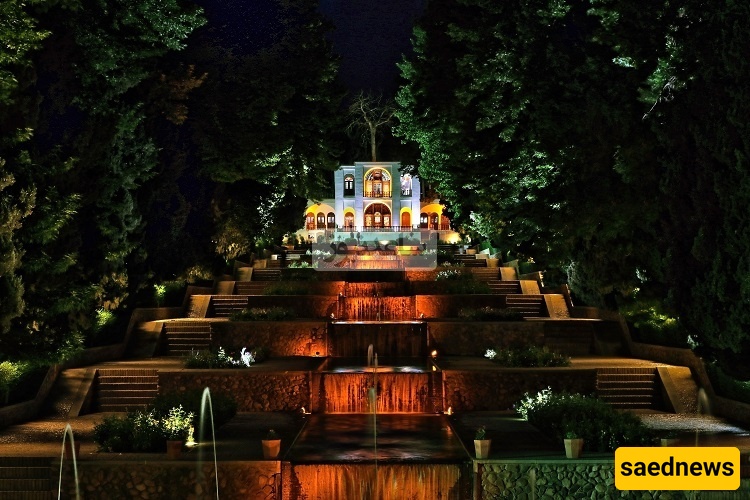
SAEDNEWS: Near the city of Kerman, in the town of Mahan, lies one of Iran’s nine UNESCO-registered “Mother Gardens.” This charming oasis in the heart of the desert has miraculously remained vibrant and lush, shining like a precious jewel.
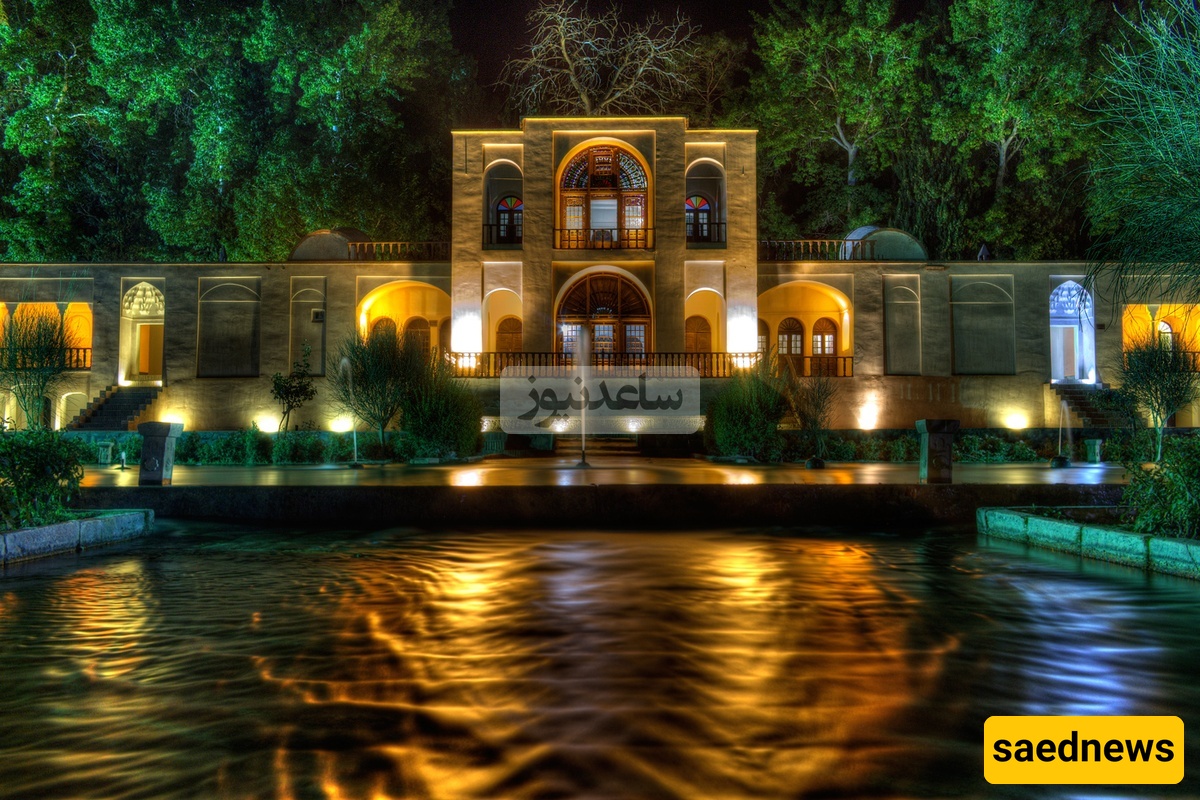
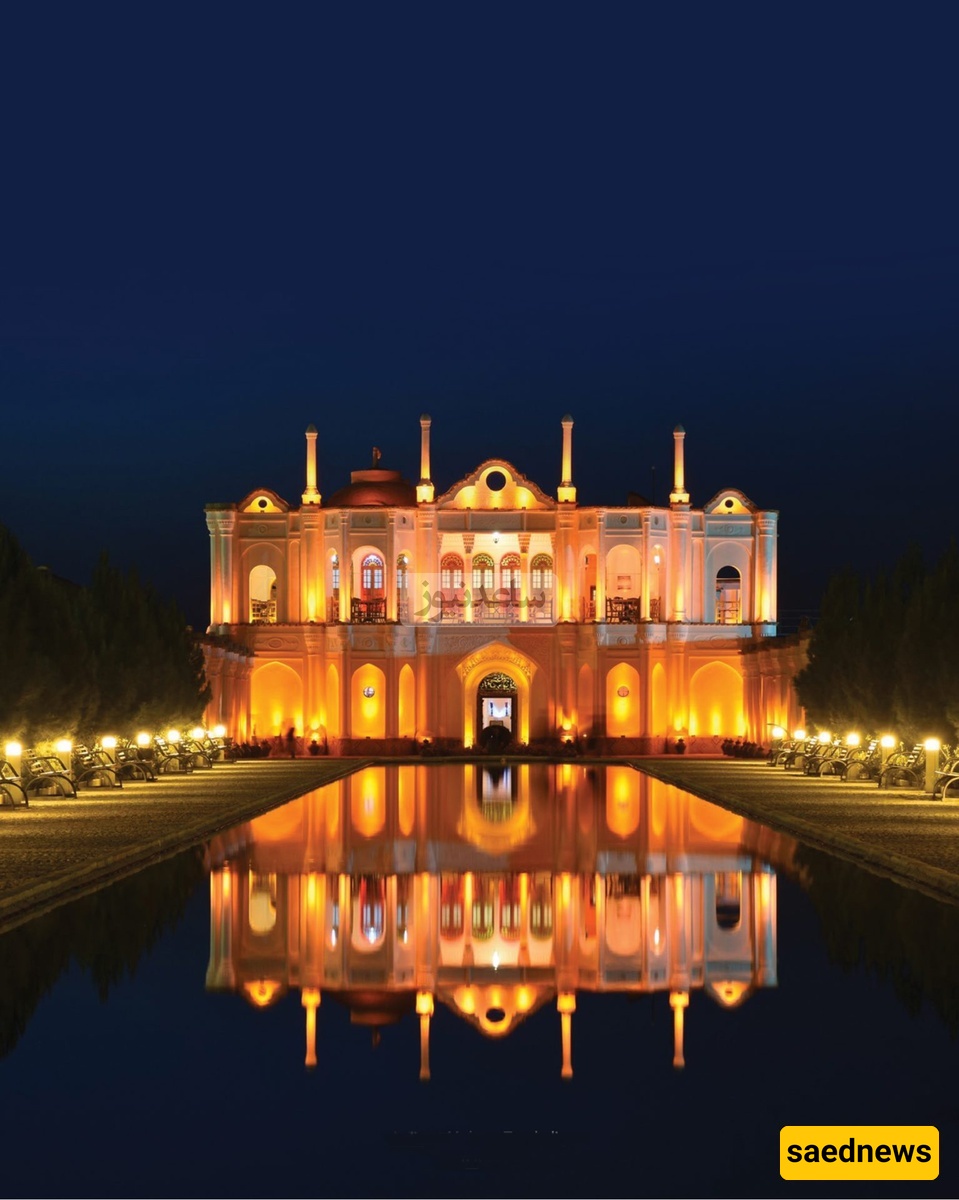
According to the History and Culture section of Saed News, Prince Mahaan Garden is one of the historic gardens from the Qajar era, commissioned by the governor of Kerman. This garden is among the nine Iranian gardens recognized as national treasures and inscribed on the UNESCO World Heritage List. In 2011, along with several other famous gardens—including Pasargad Garden in Shiraz (the “mother of Iranian gardens”), Eram Garden in Shiraz, Chehel Sotoun in Isfahan, Fin Garden in Kashan, Mahan Garden in Kerman, Akbariyeh Garden in Birjand, Dowlatabad Garden in Yazd, Pahlavanpour Garden in Mehriz, Yazd, and Abbas Abad Garden in Behshahr—Prince Mahaan Garden earned its place on the UNESCO list.
Who Was Prince Mahaan?
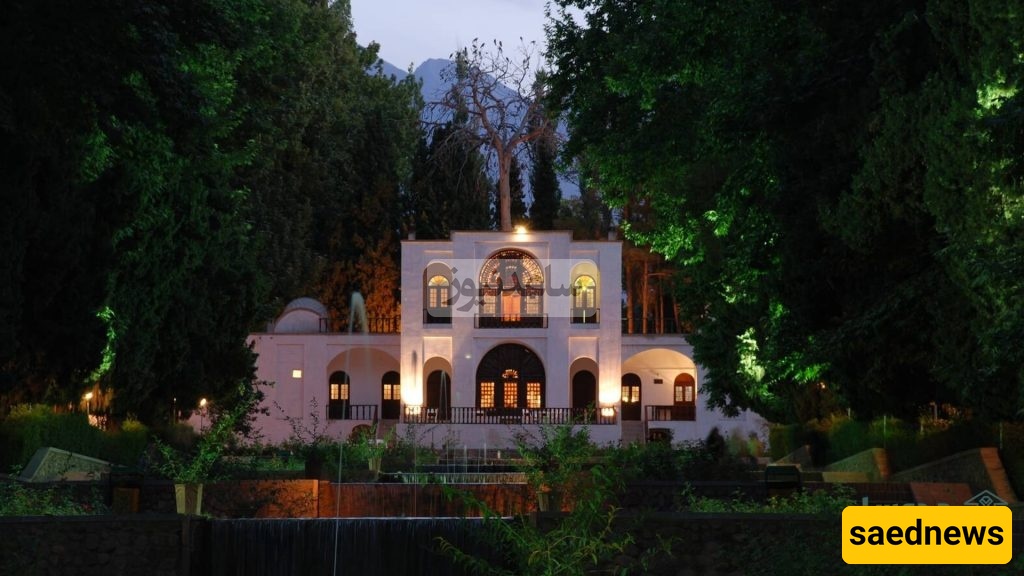
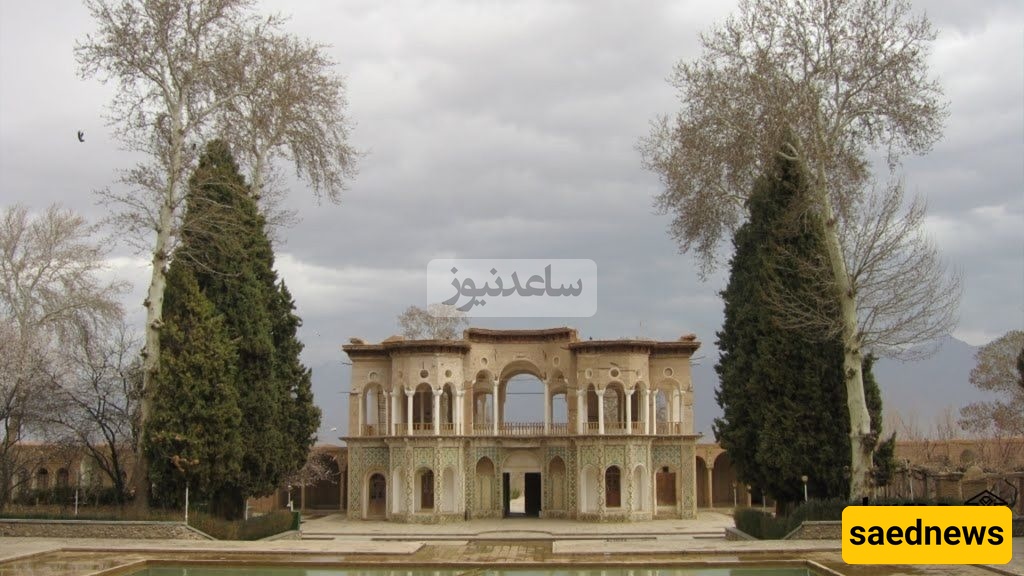
Prince Mahaan was the grandson of Naser al-Din Shah Qajar and served as the governor of Kerman. His full name was Abdolhamid Mirza Naser-od-Doleh Farmanfarmaian. Visiting the garden, one immediately notices something unusual: parts of the main structure lack ornamental detail. According to local lore, the architect abandoned work on the palace upon hearing of Mirza Naser-od-Doleh’s death, striking a plaster pot in joy against the wall. This explains the gaps in tilework visible to visitors today.
Architecture of Prince Mahaan Garden
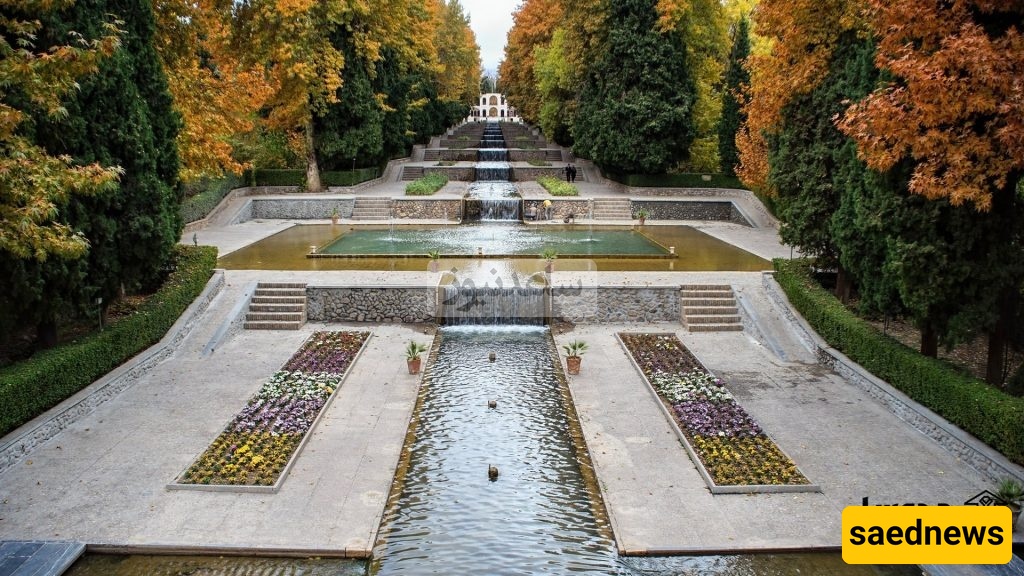
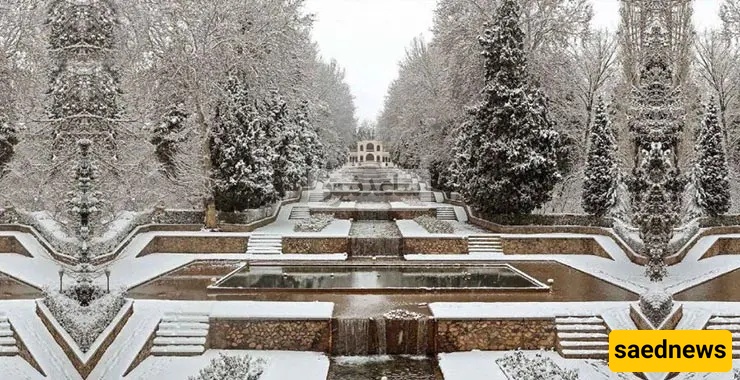
This sloped garden exemplifies the classic Persian terraced water design, with water flowing gracefully through each level, creating a refreshing, serene ambiance. Rectangular in shape, it covers more than five hectares, measuring 407 meters in length and 122 meters in width. The garden’s architecture includes a grand entrance, a bathhouse, a central mansion, an intricate water network, and a central pool, all enclosed within lush greenery.
Materials and Design
Constructed with brick and traditional clay plaster (kâhgel), the garden’s walkways are paved with river stones set in mortar. Iconic turquoise tiles, a hallmark of Persian architecture, adorn the garden, adding color and charm to the historic palace.
Current Amenities
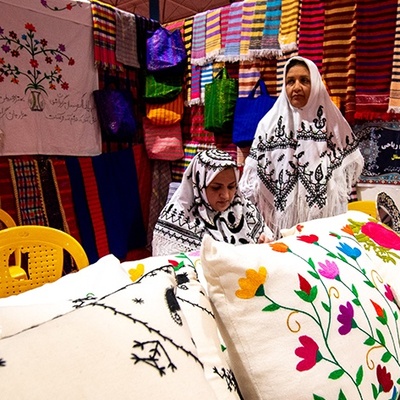
Visitors can enjoy a restaurant, guesthouse, and horseback riding within the garden. A dedicated area showcases and sells local handicrafts from Kerman Province, making it a full cultural experience.
Location and Visiting Information
Prince Mahaan Garden is a must-see attraction in Kerman Province. Located about 2 kilometers from the city of Mahan at the foot of the Tigran Mountains, it is accessible via the Kerman-Bam road. At the 35-kilometer mark near Mahan, travelers will find the garden. It is open to the public from 9:00 AM to 7:00 PM on non-holiday weekdays.
Final Thoughts
National gardens are among Iran’s most valuable cultural and environmental treasures. Proper preservation of these gardens is essential for both historical and ecological reasons. Prince Mahaan Garden stands out as one of Iran’s most enchanting gardens, offering visitors a unique glimpse into Persian heritage and the beauty of traditional Qajar-era landscape design.