SAEDNEWS: A foreign policy analyst said: Although the geographical distance makes the likelihood of a large-scale war—especially a ground conflict—between Tehran and Tel Aviv nearly impossible, the seemingly extinguished flames in the region are more deceptive than they appear, and the possibility of conflict should not be considered eliminated.
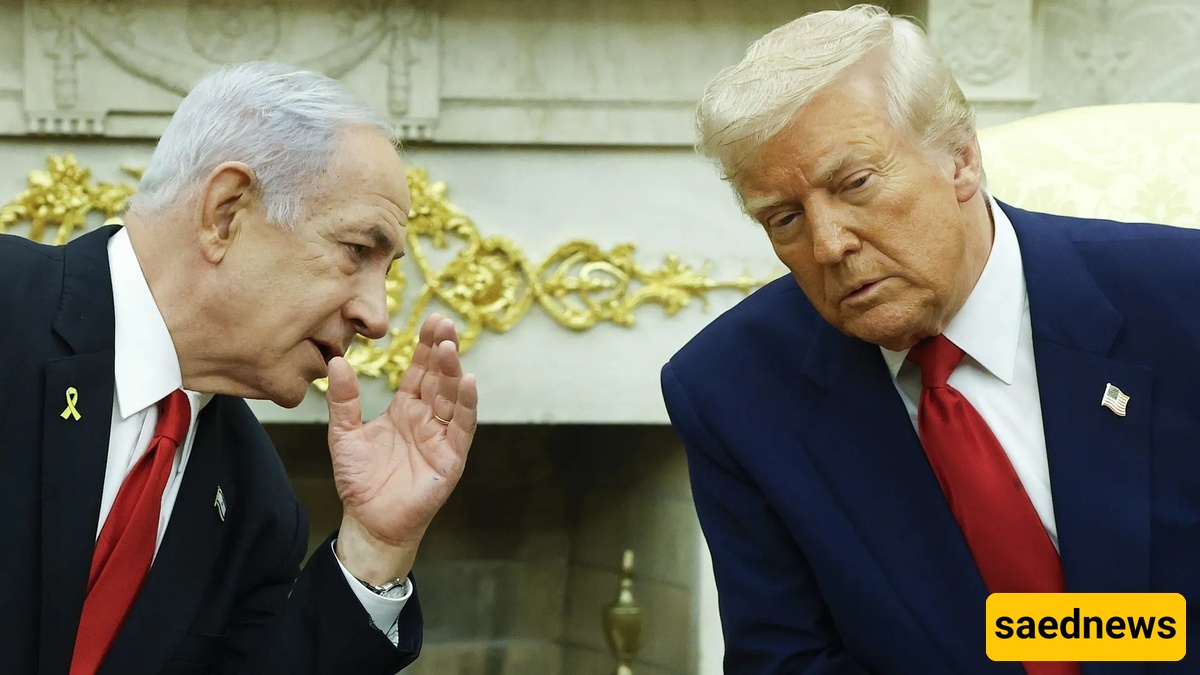
According to the political desk of Saed News, Kiumars Yazdanpanah spoke to Nameh News about Western media analyses and predictions regarding next week’s meeting between Netanyahu and Trump. He stated: “The hostility between Iran and Israel runs far deeper than commonly assumed. Following the 12-day war, both sides have presented a different vision of the future. What is clear is that over four decades of complex, multifaceted hostility have led both countries to engage directly, setting aside all pretenses.”
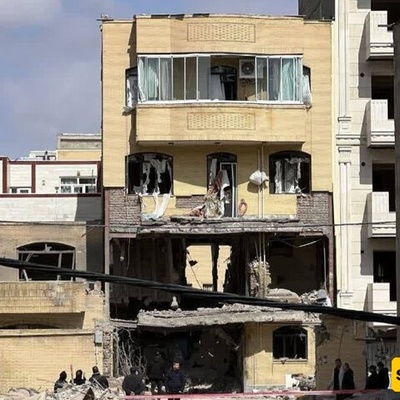
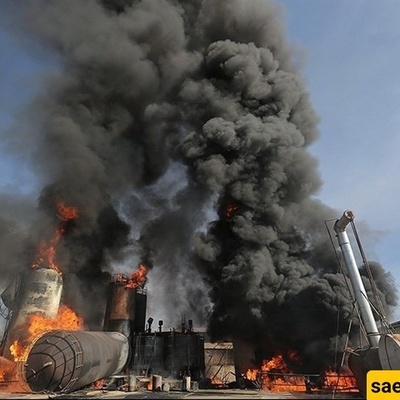
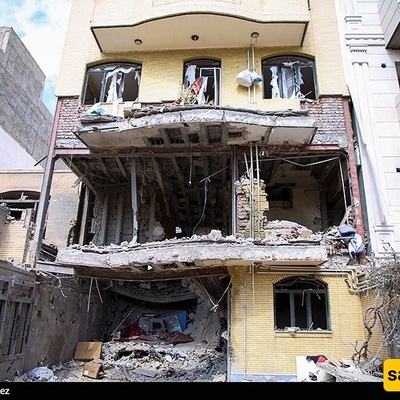
He added that the 12-day war demonstrated how prone Iran and Israel are to full-scale, extensive, and highly dangerous conflict. Considering historical, political, security, and geopolitical factors, along with the post-war maintenance of mutual threats and warlike conditions, Yazdanpanah warned that the likelihood of a more complex and perilous military confrontation remains high.
The university professor noted that rational calculations across multiple layers—including media campaigns, propaganda, cyber operations, proxy conflicts, and direct threats—show that both nations have entered a phase where conflict appears almost inevitable. “While geography limits the potential for all-out war, current conditions indicate that both Iran and Israel have metaphorically drawn their swords, and daily media outputs consistently feature threatening rhetoric from Tehran and Tel Aviv,” he said.
Yazdanpanah pointed out that Israel defines its survival strategy as striking its enemies at the furthest point, and has been in near-constant conflict since its founding, never experiencing true peace. Today, Iran is regarded as Israel’s primary strategic threat. Israeli intelligence confirms that threats from Hamas, Lebanon, and other resistance groups have been minimized, but Iran, as the core of the resistance axis, represents the highest-level threat.
The analyst explained that Netanyahu’s upcoming visit to the U.S. and his secret meetings with Trump and other American decision-makers could signal to Iran that continued threatening rhetoric or actions against Israel may trigger a military response—or that Israel is preparing for further conflict.
He emphasized that the cycle of action and reaction, which has led to a fragile balance since November last year, could be disrupted by even a small misstep, potentially escalating into a large-scale confrontation beyond the control of either side.
“Diplomacy seems to have reached a dead end. Despite Iran’s post-12-day-war efforts to convince the U.S. to negotiate from a respectful stance, Washington has largely ignored these requests,” he said. Yazdanpanah warned that even if no overt signs of imminent conflict exist, Netanyahu’s visit to the U.S. could yield outcomes based on renewed military action against Iran, affecting regional stability.
The expert stressed that the possibility of renewed war between Iran and Israel cannot be dismissed. Israel aims to leverage the U.S., European allies, and domestic psychological operations to strike Iran again. Analysts believe that the 12-day war weakened Iran, with global isolation and a fragile economy creating conditions for a decisive, rapid operation.
He explained that Israel’s offensive strategy typically involves major operations followed by nine months to a year of withdrawal, using non-military measures—particularly media and political pressure—to destabilize the opponent before launching the next operation. “This strategy applies to Iran as well,” he said.
Yazdanpanah urged Iran to coordinate a unified internal strategy, particularly in crisis management and media communication, under the Supreme National Security Council. He warned that the Middle East remains primed for heightened tensions, with no true stability or security, making rapid escalation and widespread confrontation a real possibility.
“Any military maneuver by either side now carries a clear message. Given the regional dynamics, a large-scale and ruthless conflict between Iran and Israel is the most likely scenario, while dialogue or mediation appears ineffective,” he concluded.
He underscored the depth of hostility between the two nations: “Neither side will find calm until they confront each other in a full-scale, dangerous manner. Though geography reduces the chance of extensive ground war, the seemingly dormant flames of conflict are deceiving. Both sides have stoked their war furnaces with unrelenting anger, and this zero-sum mindset, combined with the closure of alternative paths, makes hard military confrontation increasingly probable.”
Yazdanpanah warned that this tense standoff may soon reach a tipping point, making war increasingly unavoidable.