SAEDNEWS: Human Death on Mars Could Become Common Within Decades, Scientists Explore Using Body Parts to Generate Energy in Space
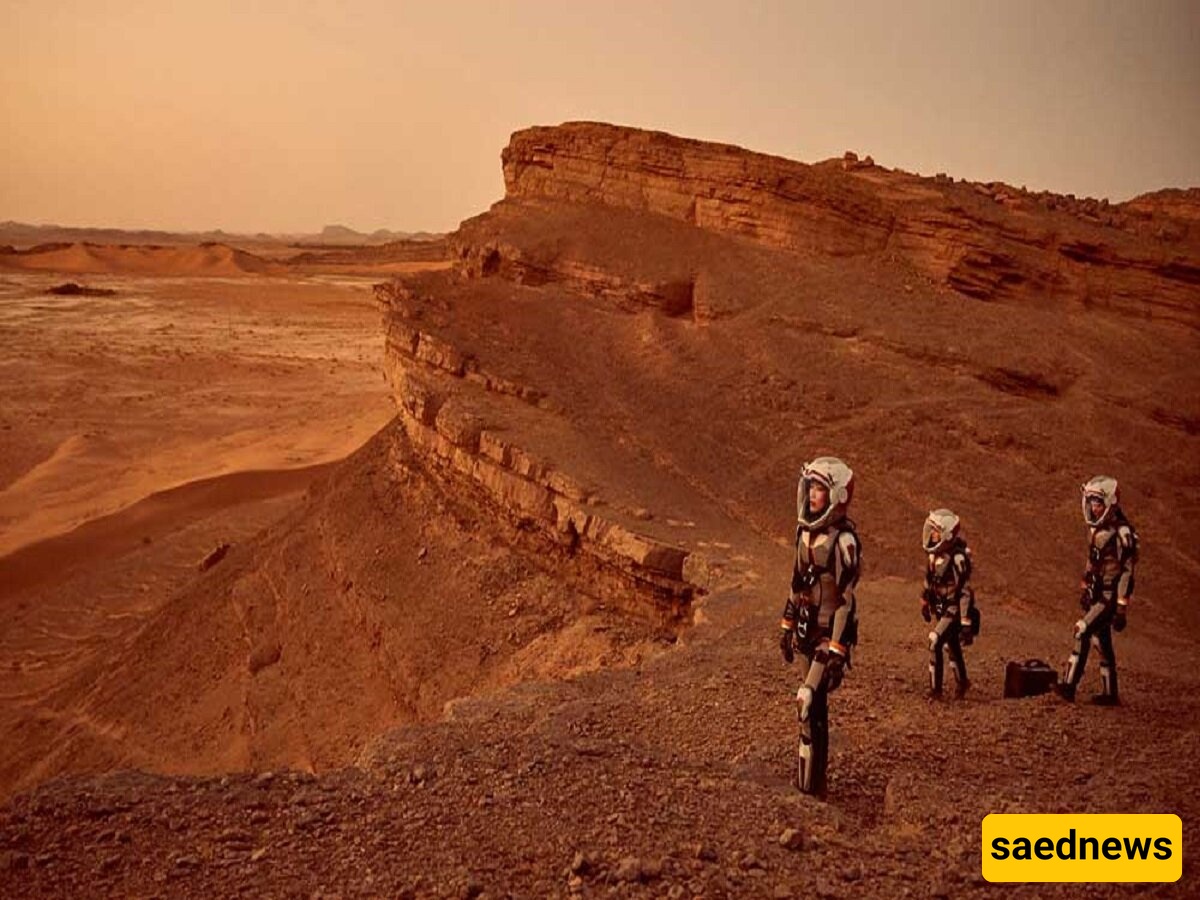
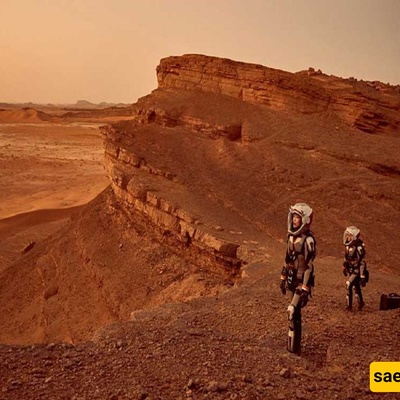
According to Saed News’ society service, one of humanity’s long-standing dreams is traveling to Mars and living on this unique planet. Today, numerous space companies worldwide, including SpaceX, are developing a new generation of rockets capable of transporting large numbers of astronauts to the Red Planet in the future.
Colonizing planets within our solar system is one of the ambitious goals of modern humanity. However, once humans settle on Mars, they will eventually face death, and it becomes essential to devise safe methods for handling human remains.
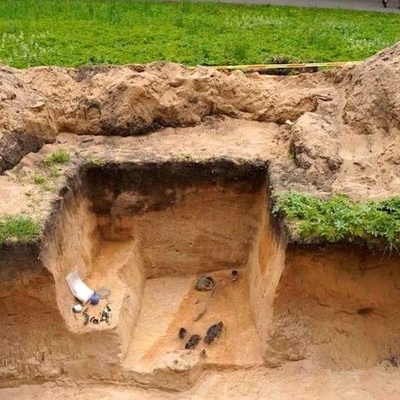
Experts warn that if human bodies are buried on Mars using traditional Earth methods, they may gradually mummify over time. Mars lacks living bacteria capable of decomposing human tissue.
To date, three astronauts have lost their lives in space, all aboard the Soyuz 11 capsule. After activating the Salyut 1 space station, these astronauts attempted to return using the capsule but faced a technical malfunction that forced an emergency landing.
The Russian space agency Cosmonauts Georgi Dobrovolski, Vladislav Volkov, and Viktor Patsayev died during reentry when a valve malfunction led to oxygen loss and exposure to cosmic radiation. When the capsule landed, experts found all three astronauts had perished. Today, space agencies, including NASA, have established protocols for astronaut deaths in space.
Astronauts also train for scenarios involving the death of a crewmate, ensuring they are prepared to handle such situations safely and respectfully.
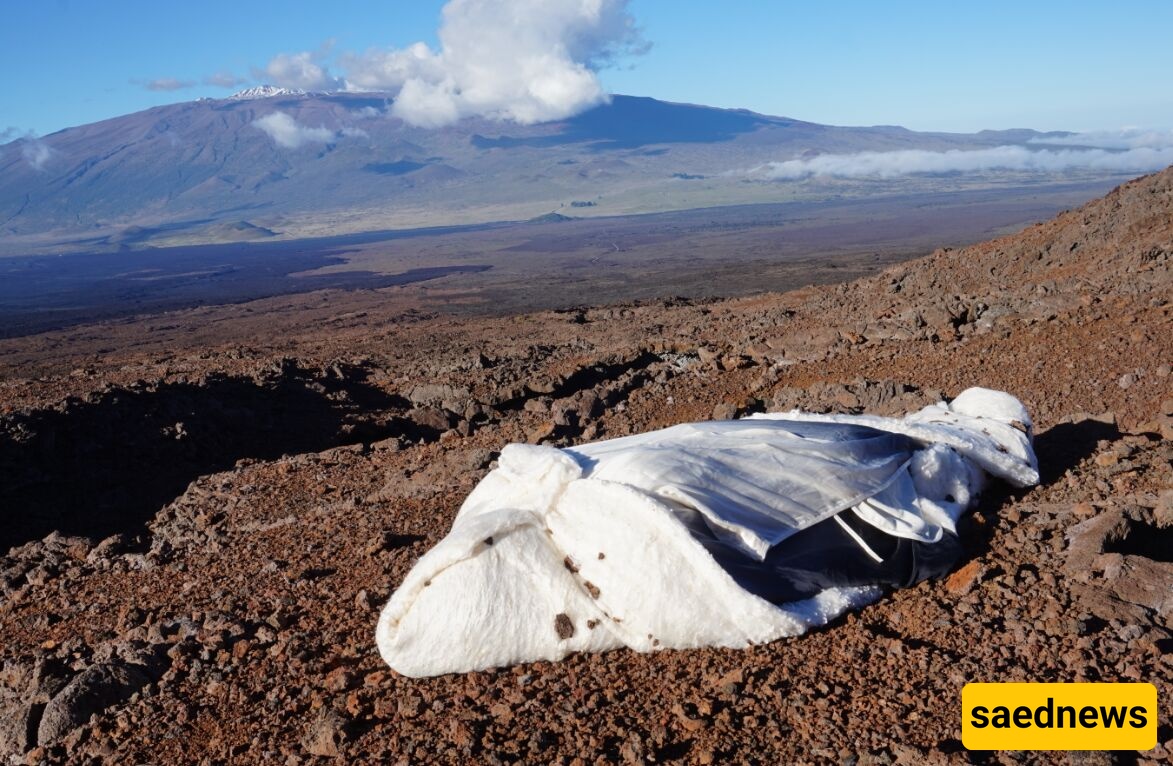
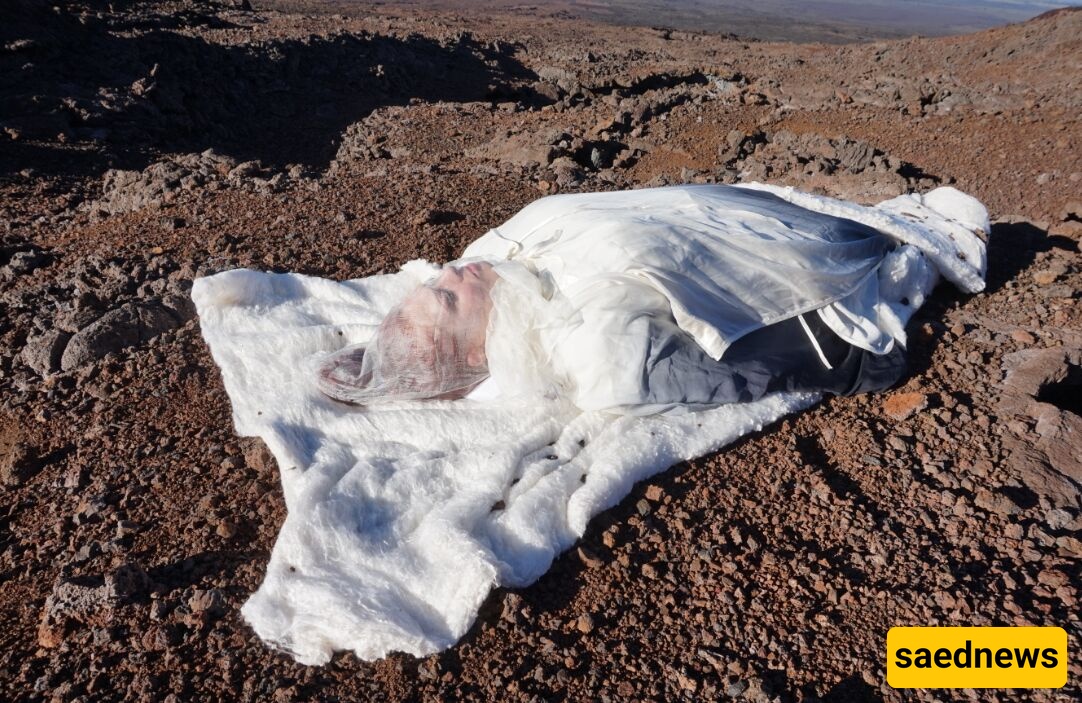
Looking ahead, as humans spend extended periods living in space, experts emphasize the importance of establishing cultural and ritual practices for honoring the deceased. For Mars specifically, scientists have designed a specialized four-layer suit to enable safe burial. This garment, called the Martian Death Garment, is made of biodegradable components and has been tested at experimental sites in Hawaii.
The suit is designed to break down human remains into basic organic components, which can then be used to cultivate plants in space. Researchers highlight that every resource in space—water, food, and energy—is extremely valuable. Recycling human remains into organic nutrients provides a vital source of sustenance for other crew members or space station vegetation.
Organic materials produced through this process include salts, minerals, carbon, and water, all of which can support astronaut diets and artificial plant growth. Alkaline hydrolysis, a method used on Earth to safely decompose animals in medical settings, can also be applied to human remains. This process dissolves proteins while leaving only liquids and bones, which could then supply nutrients for plants on Mars.
Experts note that returning human remains from Mars to Earth would be technically challenging and prohibitively expensive. Therefore, developing methods for respectful and sustainable burial on Mars is essential for future long-term space missions.