SAEDNEWS: Proper Moka Pot Cleaning: A Simple Way to Restore Its Original Look

If you love the taste of coffee and espresso brewed in a moka pot, you probably use it daily. One of the best ways to keep your moka pot working well for a long time is to keep it clean. But how should it be cleaned properly?
You can rinse your moka pot after every use and clean it thoroughly on a daily basis if you like. However, to remove coffee residues that build up over time, a deeper, more thorough cleaning is necessary from time to time.
If you live in an area with hard, mineral-rich tap water, it is usually recommended to deep-clean your moka pot once a month. Otherwise, if you don’t use it very often, cleaning it thoroughly twice a year is sufficient.

If you want to clean your moka pot every day or after each use, follow these steps:
First, remove all the remaining coffee grounds from the moka pot. Then disassemble all its parts and place them somewhere with good airflow so they can dry completely.
Rinse the moka pot and all its separate parts under running water—preferably hot water. Wash all surfaces carefully so no coffee residue remains.
Take a clean cloth and dry all parts thoroughly. Make sure no moisture is left inside the moka pot.
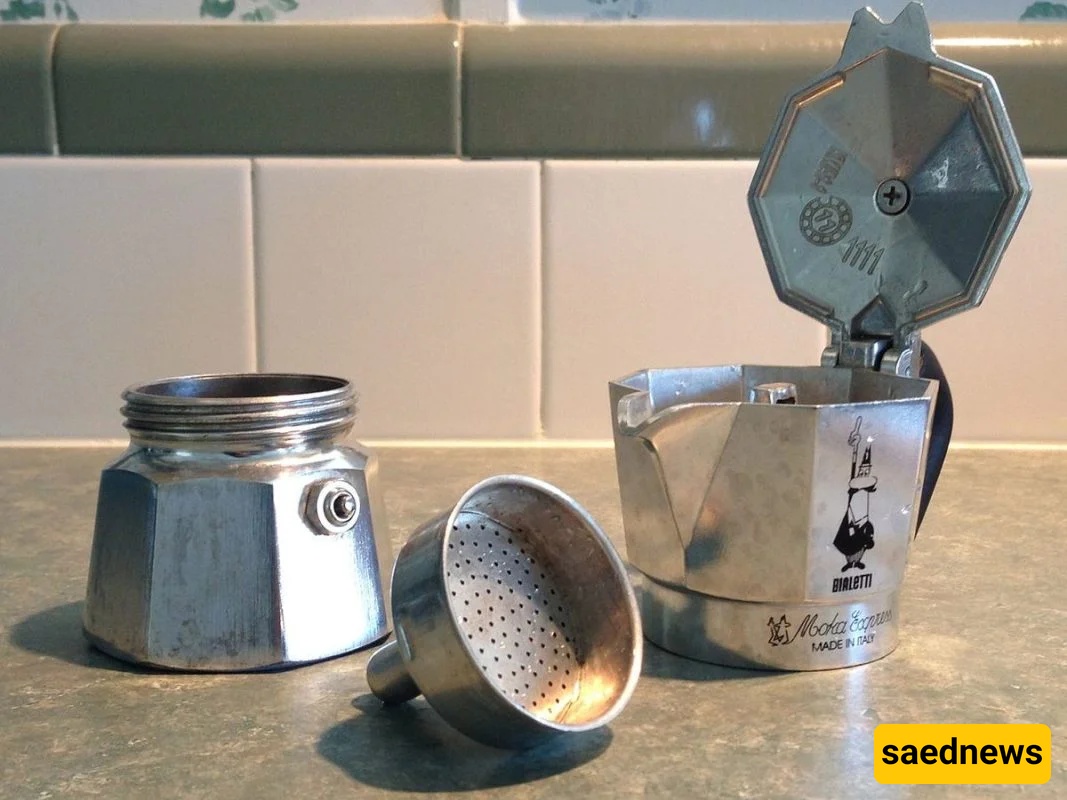
If you’re not sure what to do with leftover coffee grounds, you can add some to potting soil to help nourish plants.
Do not put the moka pot or any of its parts in the dishwasher. Dishwashers are too harsh and may damage it.
Never scrub the inside with abrasive pads or steel wool, as this can scratch the surface.
Water contains minerals that can affect flavor, but these minerals can also build up inside the moka pot over time, causing stains and scale. This is why periodic deep cleaning is important. Here’s how to do it:
Fill the lower chamber with water up to the safety valve line, so the water just touches the bottom of the filter basket. The water level should be slightly higher than when brewing coffee.
Add two tablespoons of white vinegar to the water. Apple cider vinegar or a few drops of lemon juice can also be used as alternatives.
Reassemble all parts of the moka pot and let the water–vinegar mixture sit inside for 2 to 4 hours. You can even leave it overnight. The mild acid in the vinegar gently dissolves mineral deposits and removes grease without damaging the metal.
After the soaking time, pour out a small amount of the liquid. Place the moka pot on the stove and allow the remaining acidic solution to brew through—without adding any coffee grounds.
Once the moka pot has cooled enough to touch, discard the liquid. Disassemble the parts, rinse each one under hot water, and dry thoroughly with a cloth.

Never compress the coffee grounds the way you would for espresso. Excess pressure makes the grounds too fine and difficult to clean.
Regularly check the safety valve area, especially during cleaning, to ensure no coffee grounds are stuck there.
Do not overfill the moka pot beyond the marked line. Always leave some space between the water level and the maximum line; otherwise, excess steam pressure may escape.