SAEDNEWS: For someone accustomed to the daily swirl of warm, bitter fragrance from freshly cracked beans, nothing is harder than hearing: “Cut back on your cups.”
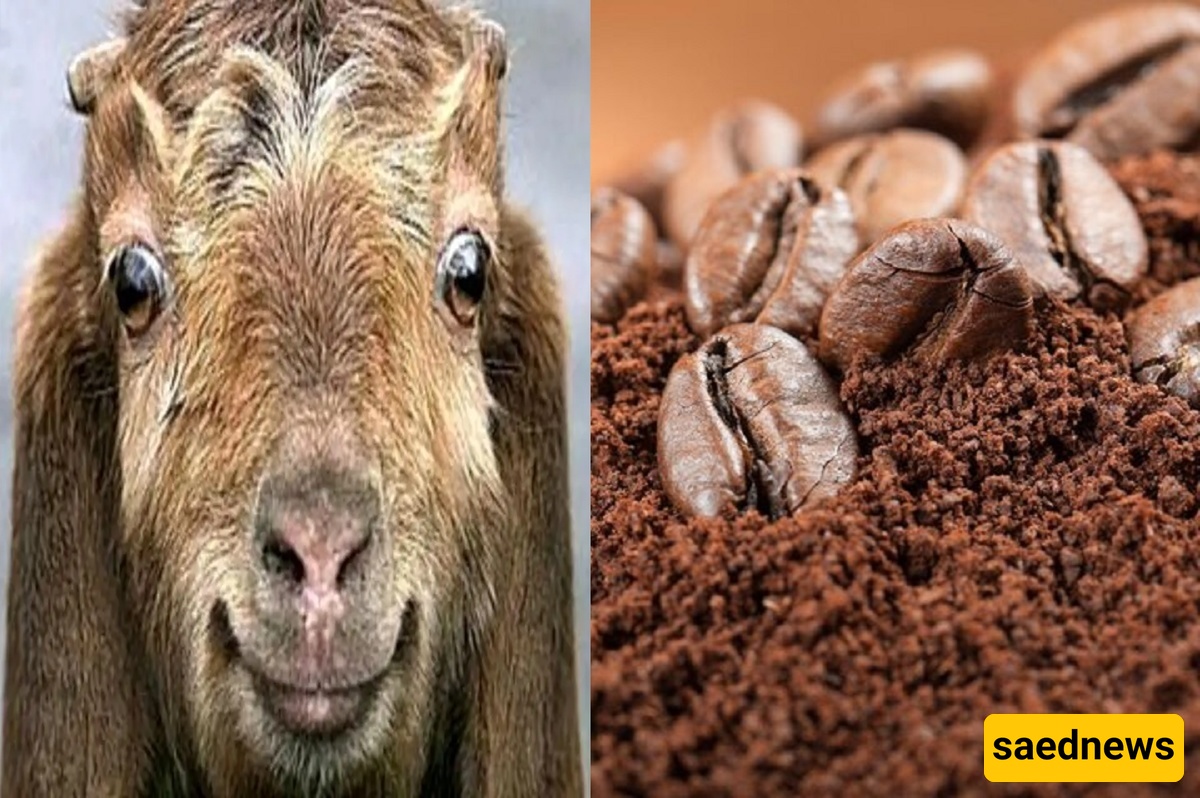
According to a report from the Social Service desk of Saed News, the whole story began with the restless behavior of an Ethiopian herd of goats! Kaldi, a shepherd from the Kaffa region who lived in the 9th century AD, once came across a fertile patch of land perfect for grazing. He kept it a secret from the people of Kaffa and let his goats feed there for several days.
But on the third night, something strange happened: the goats wouldn’t sleep!
Kaldi had no idea what was happening—why his goats were so energetic and restless at night. On the fourth day, he decided to sit beside them on that same land. That’s when he noticed the goats were eating a red berry that looked like a mulberry, though he didn’t know what it was. The only thing he could think of was to gather some of the berries and take them to the local monk of Kaffa.
The monk listened to the story, brewed the berries, and drank them with Kaldi. The burst of energy they felt was unforgettable—and slowly, the secret of that land and its berries, which later became known as coffee, spread far and wide.
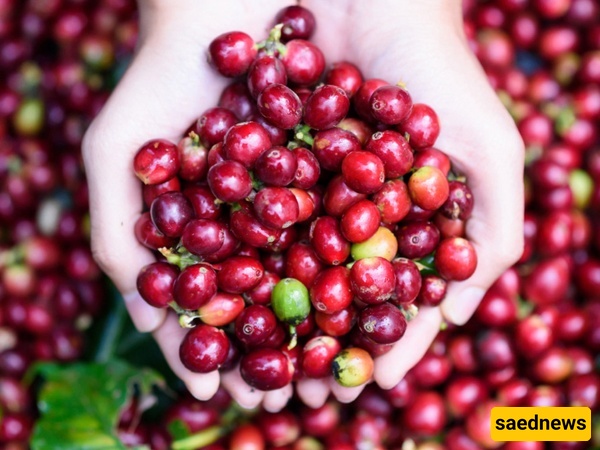
Centuries have passed since the legend of Kaldi and his goats, and coffee beans have traveled long, winding roads—by land and air—to reach our hearts. Coffee’s caffeine has captivated us: a powerful compound known as a stimulant of the central nervous system due to its ability to fight fatigue and boost energy levels.
Do you know what else it does? Drinking coffee triggers the release of dopamine through a complex biochemical process, giving us feelings of pleasure and reward.
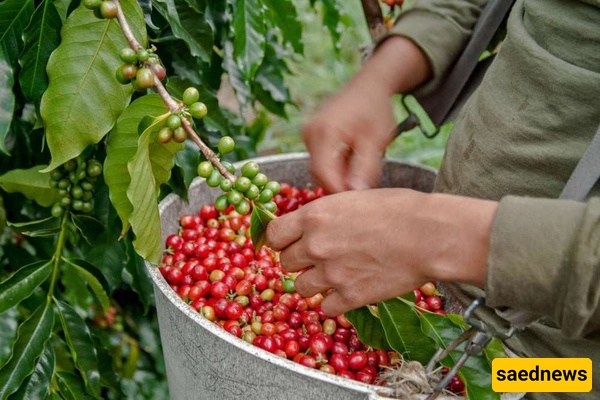
Beyond the good feelings, we all know coffee’s benefits: controlling type 2 diabetes, boosting energy, aiding weight loss, protecting against liver cirrhosis, reducing pain, and even offering some protection against Parkinson’s disease.
But this magical cup—which from the 16th to 18th centuries influenced many of the world’s revolutions through café gatherings and was labeled by European clergy as “the devil’s bitter invention”—may, according to new scientific research, actually harm us.

A 2024 meta-analysis examining coffee’s link to cancer found a significant association between high coffee consumption and an increased risk of lung cancer. The study reports that each additional cup per day raises the risk of lung cancer by roughly 6%.
Now think for a moment—how many cups do you drink daily? Add those percentages up, and the picture becomes concerning.

In 2025, deeper research emerged. Another meta-analysis reviewing the effects of coffee’s bioactive compounds—such as chlorogenic acid—on endothelial function reached a surprising conclusion.
It found that coffee contains a compound called HHQ, and excessive consumption of this bitter drink, even in the short term, impairs endothelial performance. In other words, drinking too much coffee could jeopardize your vascular health more quickly than you’d expect.
For those who relish the daily warm, bitter aroma of roasted coffee beans, cutting back is harder than anything. As coffee lovers say, “It’s like weaning a baby off mother’s milk!” Just as difficult, just as bitter, just as challenging—except when it comes to our health.
‘Amr ibn Ibrahim said: “I heard Imam Kazem (peace be upon him) say: If people practice moderation and balance in eating, their bodies will become strong and healthy.” (Al-Mahasin, p. 439)
So let’s remember: no one is asking you to give up your beloved coffee. But sometimes, for the sake of your life, a bit less and a bit more balance is necessary.

Why such a warning? Because the effects of excessive coffee consumption are not as harmless as we might assume. According to research presented at the 2024 American College of Cardiology Conference, chronic caffeine intake—meaning more than 400 mg per day, or roughly four cups of coffee—in healthy individuals leads to consistently elevated heart rate and blood pressure, ultimately raising the risk of cardiovascular disease.