SAEDNEWS: Pomegranate is a fruit known for its potential to help purify the blood, and it is enjoyed by many people. To choose this fruit properly, it is important to know how to identify a sweet pomegranate.
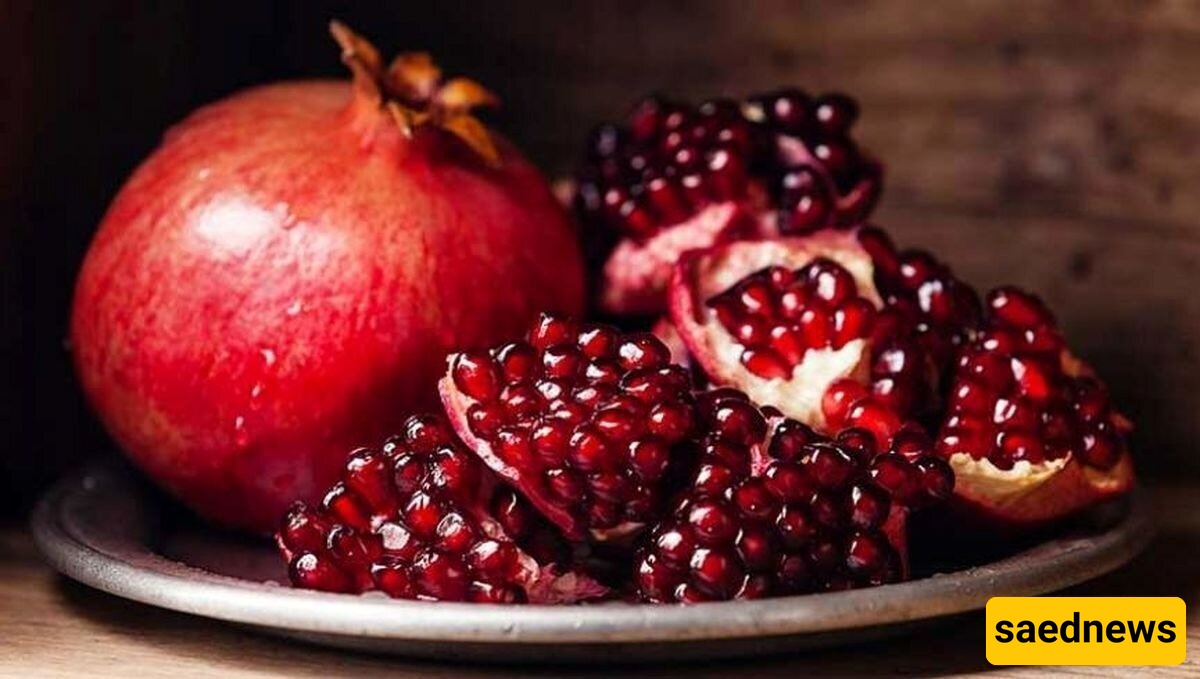
According to the Saed News community service, to pick high-quality pomegranates—sweet, juicy, and red—you need to be aware of a few key tips. Below, we’ll guide you through the proper methods for selecting pomegranates so you can bring home the best fruit.
Pomegranates can be categorized by taste into three types: sour, sweet, and mildly sweet. They also vary in skin thickness—either thin or thick—and their seeds can be red, pink, or white.
Globally, there are approximately 760 varieties of pomegranates, each with unique appearances and flavors. Around 110 of these varieties are cultivated in the city of Saveh, Iran.
A ripe pomegranate is generally sweeter and more colorful. When selecting pomegranates, look for ones that are slightly misshapen rather than perfectly round. Unripe pomegranates are usually smooth and round, while ripe ones may have a more angular, squared-off shape.
Heavier pomegranates typically contain more juice. When shopping, choose pomegranates that feel heavy for their size.
The skin of a pomegranate can indicate its quality. Avoid fruits with cracks, holes, or dark spots, which may suggest insect damage or decay. Smooth, intact skin is a good sign of a healthy, sweet pomegranate.
The skin color of a sweet pomegranate is generally lighter and softer. Choosing a fruit with this coloration can help ensure better flavor.
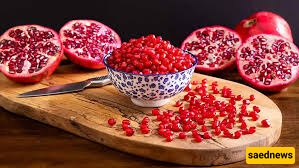
The crown (the small calyx at the top) can indicate freshness. If the inner strands of the crown have fallen away, the fruit has likely been harvested for some time. Additionally, a dark or blackened crown can signal insect damage, making the pomegranate inedible. Checking the crown is a useful way to gauge freshness and quality.
The skin should be soft enough to scratch easily. Unripe pomegranates tend to have harder, tougher skin, while ripe pomegranates are often slightly irregular in shape but not perfectly smooth. Avoid fruits that are overly flat or overly smooth, as they may be unripe.
By paying attention to these six factors—ripeness, weight, skin condition, color, crown, and surface texture—you can confidently select high-quality pomegranates for your home.