SAEDNEWS: In this section, we present a variety of videos and images introducing Lavij Village in Mazandaran Province. We would be delighted to hear about your memorable journeys to this beautiful village and your experiences there.
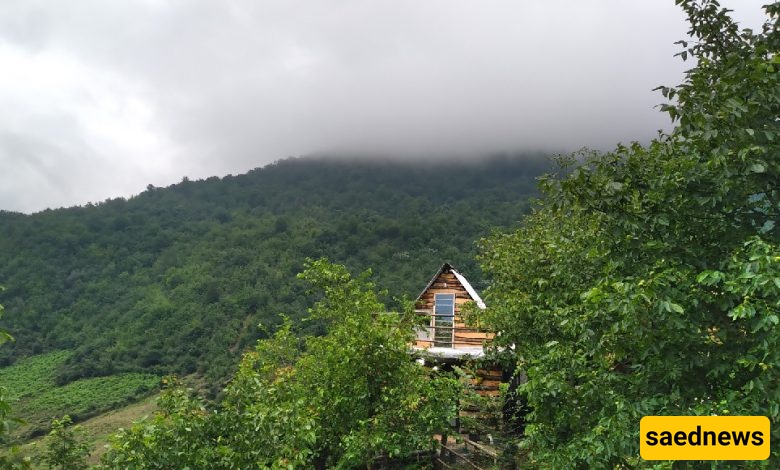
According to the SaedNews Family Magazine Service: Deep within the calm, mist-covered forests of Mazandaran, between mountains and springs, Lavij Village appears like a hidden piece of paradise. It is one of those destinations where the sound of warm springs and the scent of oak trees wash away travelers’ fatigue. Among the sights of Nur, Lavij is a unique gem—an ideal choice for both nature lovers and those seeking peace and a pleasant stay. If you want to learn more about this scenic paradise, continue reading.
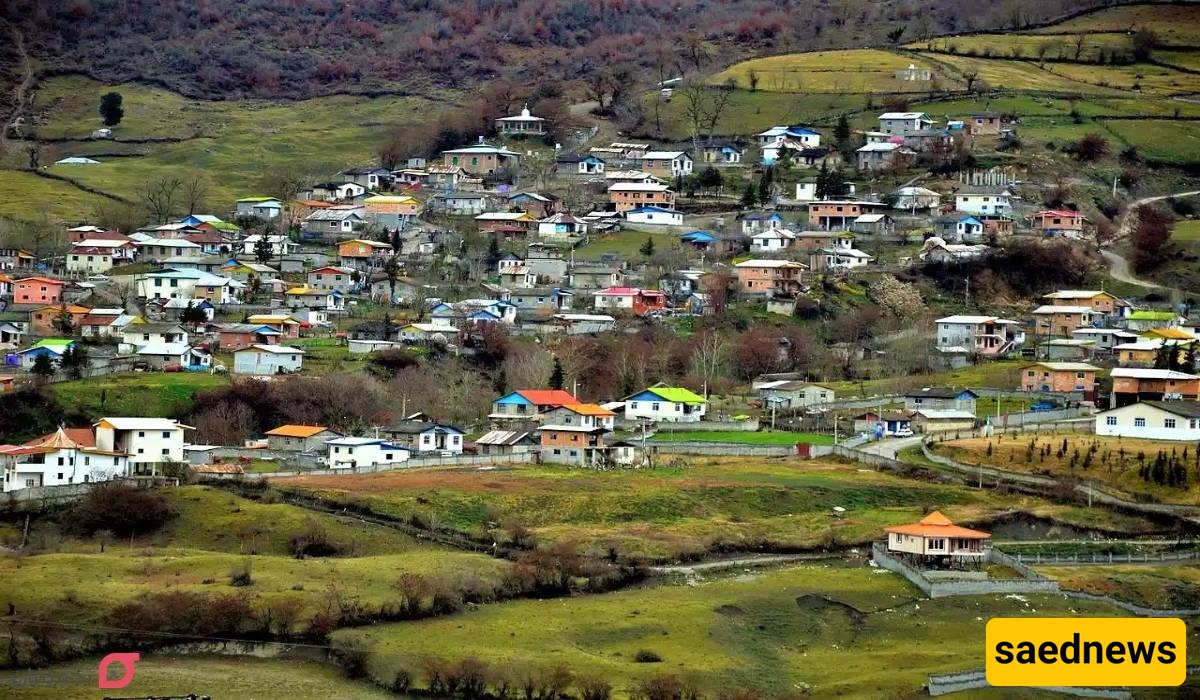
Amid green plains and misty mountains, Lavij stands out among Mazandaran’s attractions. Its hot springs, bird songs, and peaceful forest landscapes have made it one of the region’s most popular tourist destinations. Located in Chamestan District of Nur County at an altitude of about 700 meters above sea level, Lavij enjoys a cool and pleasant climate.
Archaeological findings such as ancient graves, golden ornaments, and remains of a historical fire temple indicate that Lavij held an important position in ancient Tabaristan.
There are two main routes to reach Lavij, each offering its own charm:
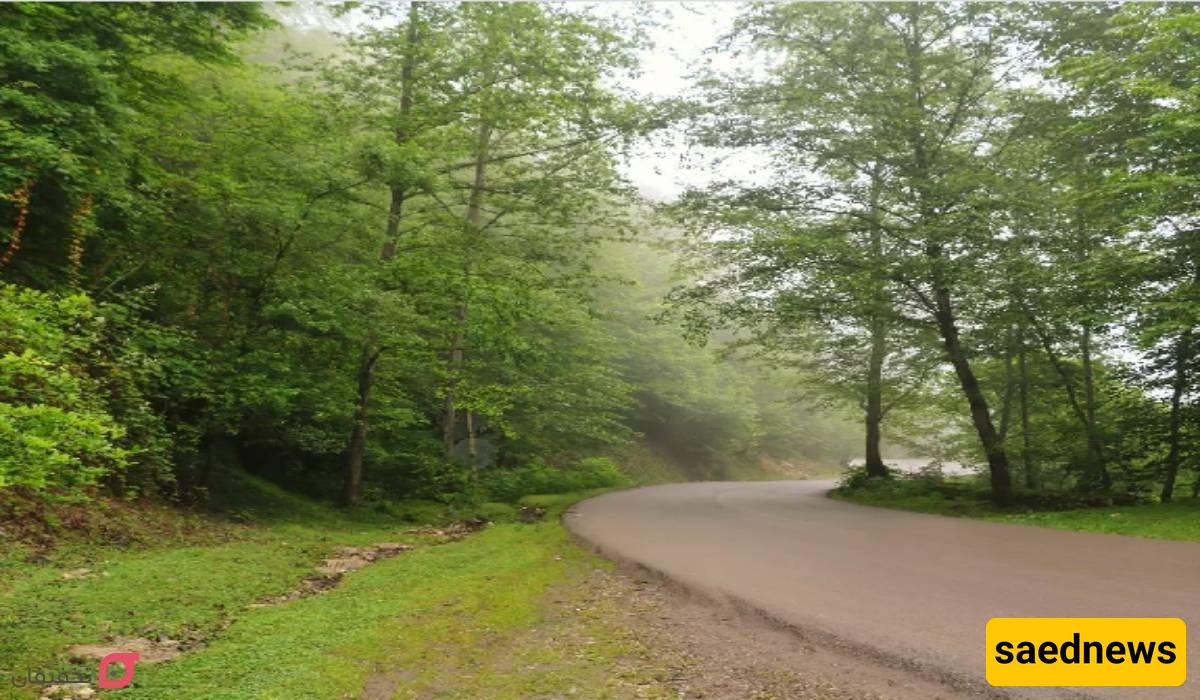
The first route starts from Nur City and is the most direct and convenient path. After passing the coastal city of Nur by the Caspian Sea, a winding, green road through forests and mountains gradually reveals breathtaking northern landscapes.
The second route passes through the Firuzkuh and Haraz highways, suitable for travelers departing from Tehran. From Firuzkuh, you can reach Nur and then continue toward Lavij. The Haraz route also offers scenic mountain and forest views, making the journey itself part of the experience.
Nur to Lavij: ~35 km (about 50 minutes)
Lavij to the Caspian Sea: ~25 km (less than 30 minutes)
Tehran to Lavij (Chalus route): ~230 km (4–5 hours)
Tehran to Lavij (Haraz route): ~231 km (about 5 hours)
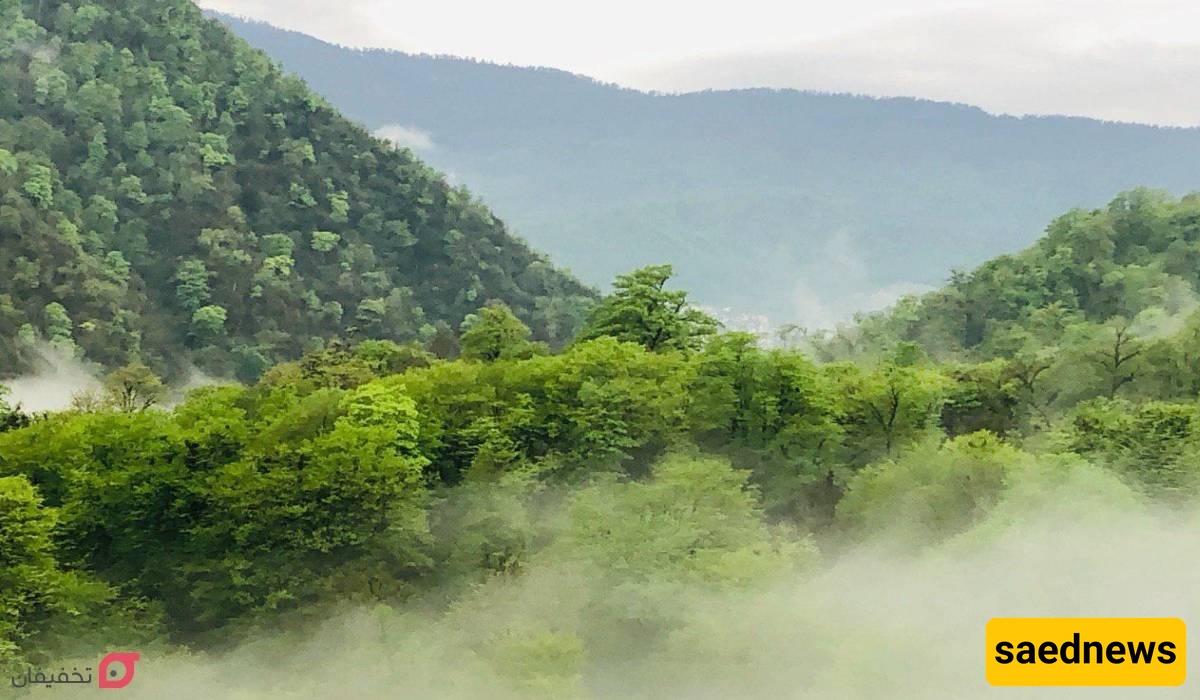
Lavij experiences a mild and humid mountain climate throughout the year.
Spring: Blossoming trees, fresh greenery, and ideal hiking weather
Summer: Warm but cooled by mountain breezes and forest shade
Autumn: A poetic landscape of yellow, orange, and red foliage
Winter: A quiet, snowy mountain village ideal for hot springs lovers
The natural surroundings of Lavij are filled with remarkable attractions, including hot springs, dense forests, a “stone elephant,” and Haram O Waterfall.
One of the village’s most famous attractions, the hot springs are rich in minerals and believed to have therapeutic benefits for joint pain, rheumatism, and skin conditions. Separate pools for men and women have been built for visitors’ comfort.
Other nearby springs such as Shafel, Iran Zamin, and Fil-e Sanghi each offer unique experiences.
Located along the Chamestan-Lavij route, this beautiful waterfall originates from the Sordar forests and flows through dense vegetation, creating a cool and peaceful atmosphere. It is a popular spot for photography and relaxation.
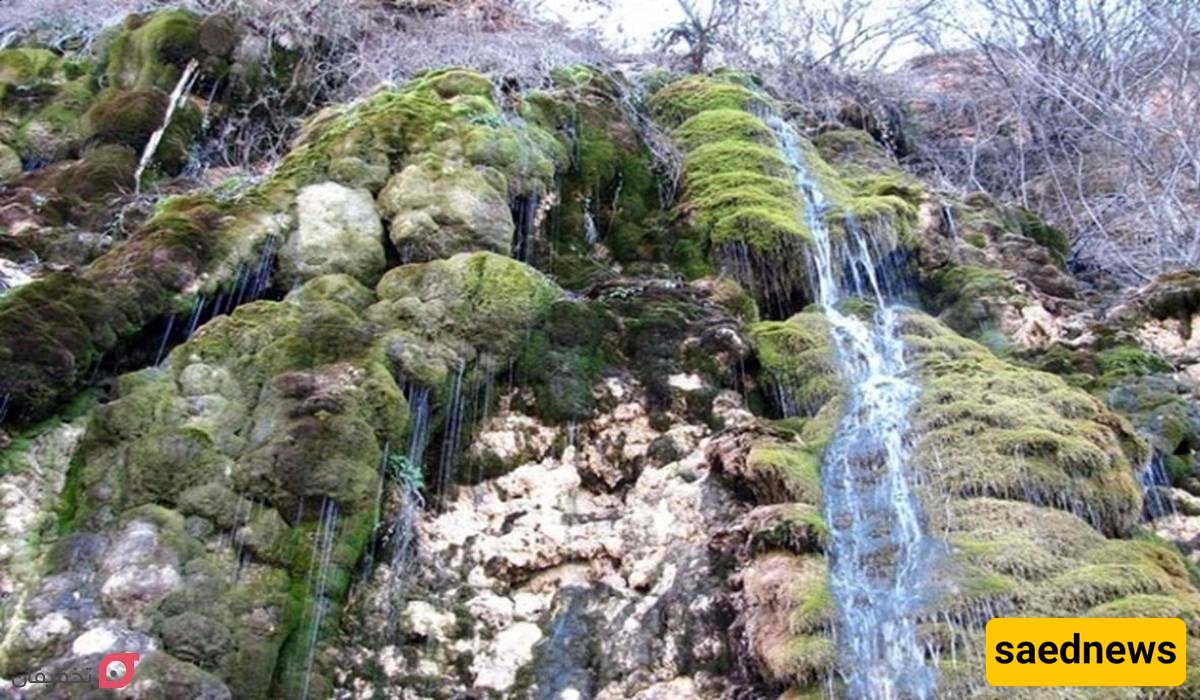
The forests surrounding Lavij extend to high elevations of up to 2,500 meters. With ancient Hyrcanian trees and rich biodiversity, they create a magical landscape, especially in spring and autumn when mist and color combine.
A naturally eroded rock formation resembling an elephant is located near the village. Local legends surround this formation, and it has become a popular tourist stop.
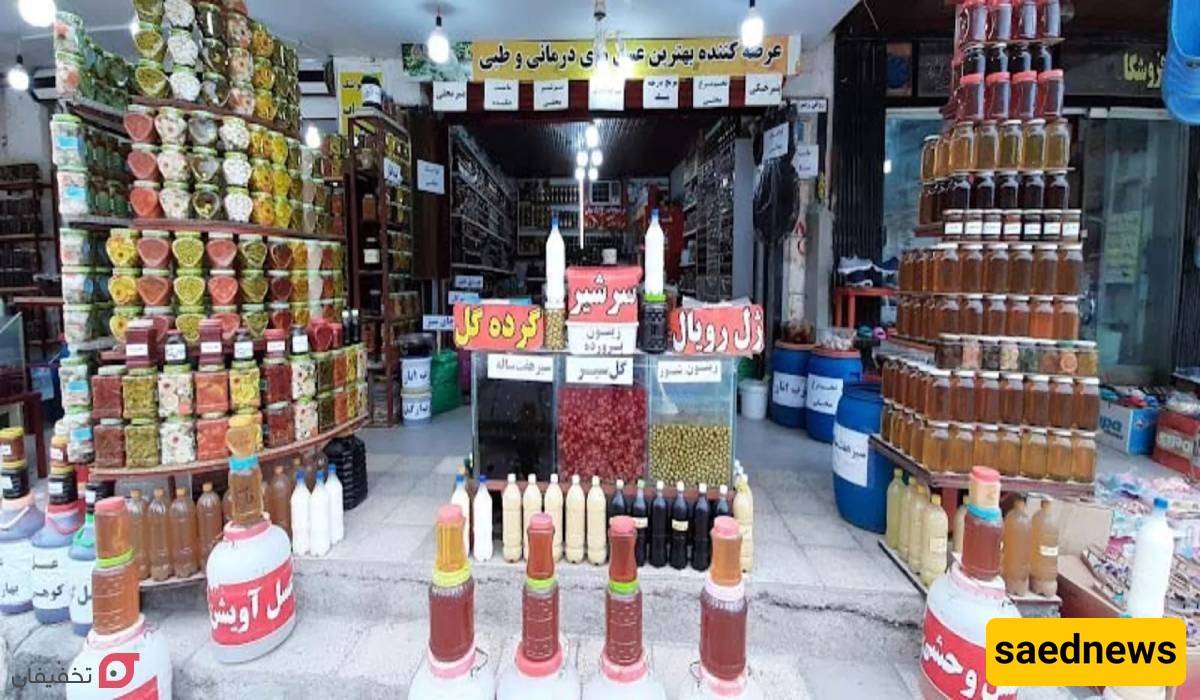
Lavij is known for its natural honey, dairy products such as butter, yogurt, and local cheese, as well as handmade crafts like weaving and wicker baskets. Wild walnuts, hazelnuts, berries, and medicinal herbs are also popular souvenirs.
The best time to visit Lavij is from early spring to mid-autumn. Spring and autumn offer the most scenic views, while summer remains pleasantly cool compared to other northern regions. Winter is quiet and best suited for those who enjoy snow and hot springs.
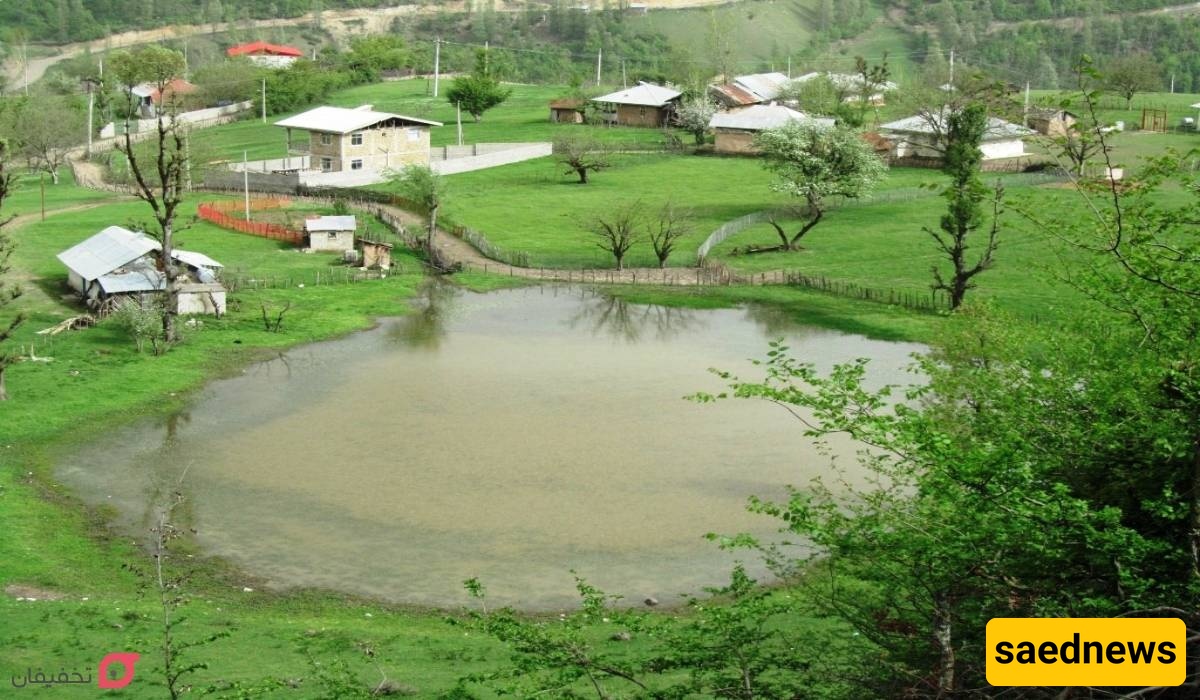 Facilities and Accommodation
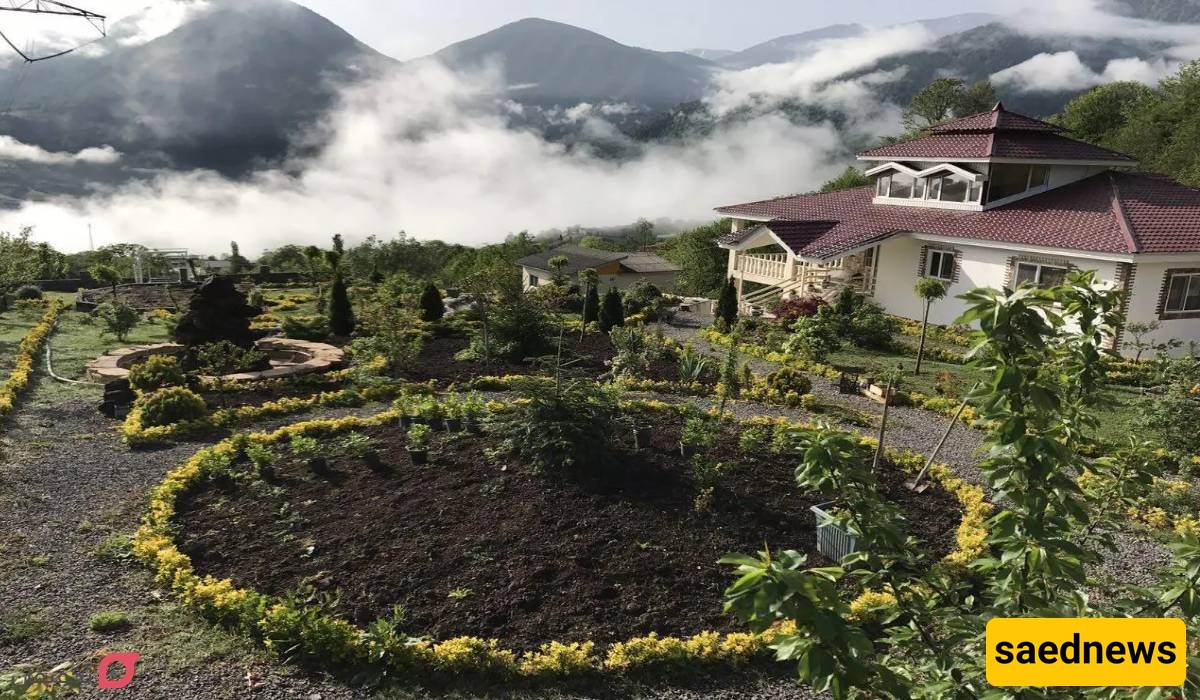
Lavij offers good infrastructure for visitors, including a mosque, bakery, clinic, grocery stores, and a library. Accommodation options include eco-lodges, rental villas, and guesthouses, many of which offer views of forests and mountains.
Traditional restaurants serve local northern Iranian cuisine, and small markets sell honey, dairy products, walnuts, and handicrafts.
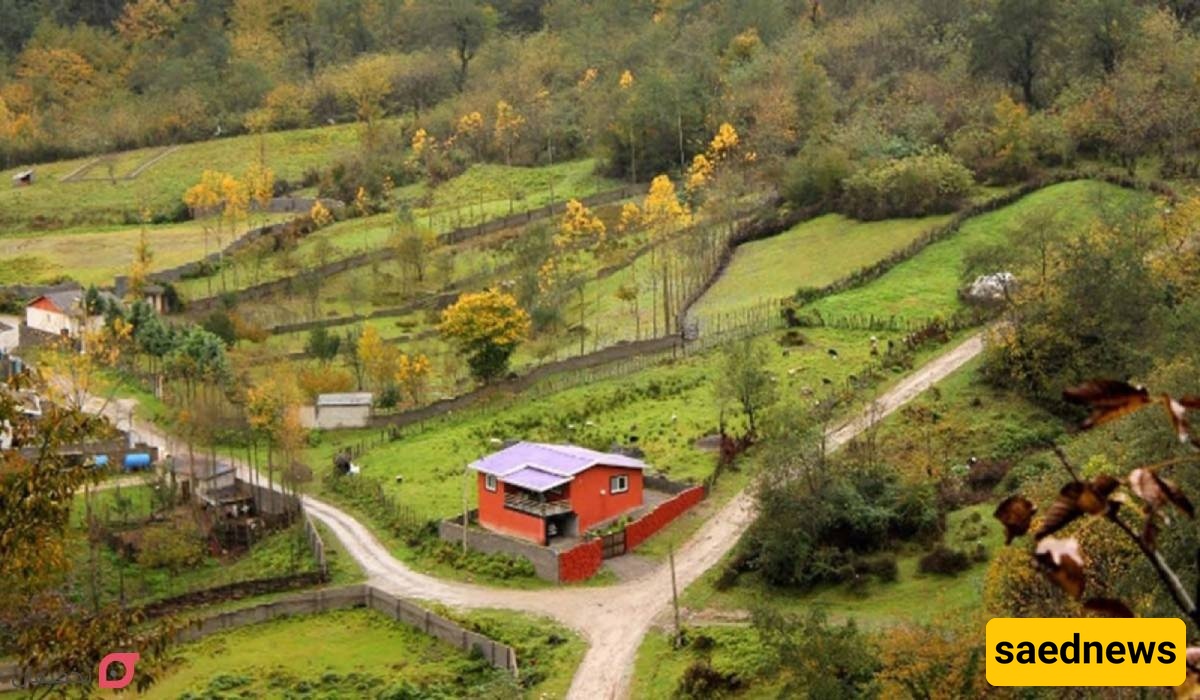
The forests around Lavij are home to diverse wildlife, including wild boars, foxes, rabbits, deer, and native birds. Freshwater fish species are also found near the springs.
The name “Lavij” is believed to come from two words meaning “between” and “valley,” referring to a place located within mountain valleys—an accurate description of its geography.