SAEDNEWS: Mehrpadin Castle is a historical fortress dating back to the Safavid era. It is located in Mehrpadin village, in Mehriz County. The site was officially registered as one of Iran’s national heritage monuments on 7 Mehr 1381 (29 September 2002) under registration number 6143.
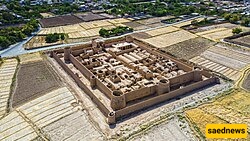
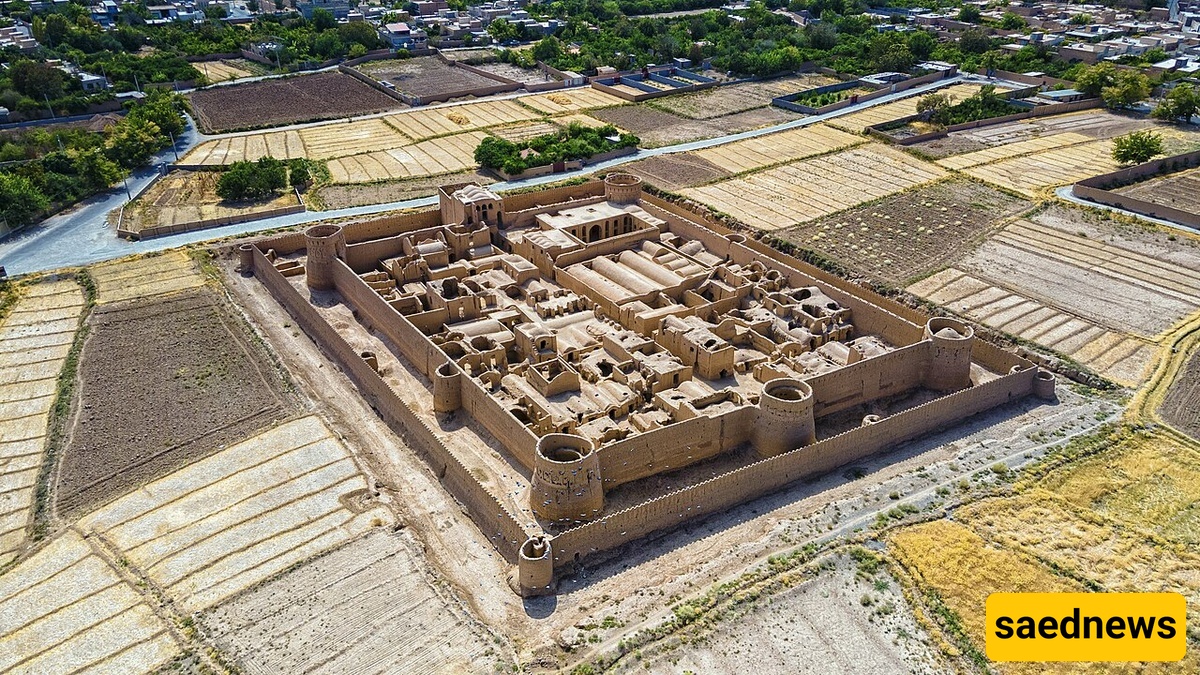
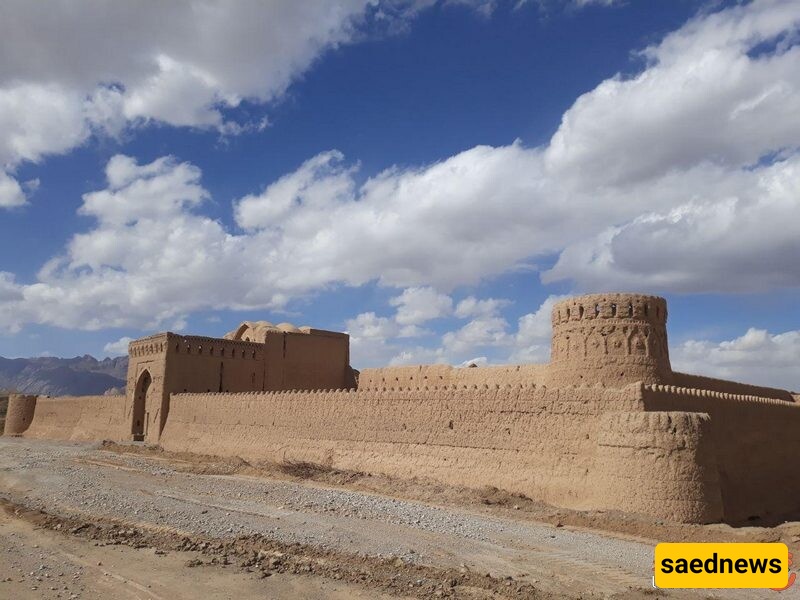
According to Saednews tourism service, Mehrpadin Castle features two defensive walls and ramparts, along with nine circular watchtowers. The entire structure is surrounded by a large moat, while its internal spaces are enclosed within two fortified layers approximately 6.5 meters high.
Both defensive walls are constructed using traditional adobe and mudbrick techniques, and their upper sections feature crenellated battlements. The towers of the inner wall, standing at about 8.5 meters in height, are equipped with arrow slits and defensive openings.
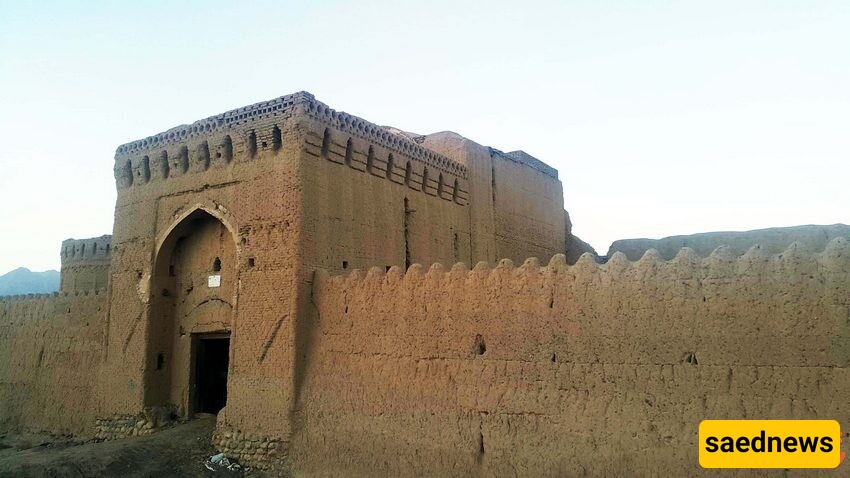
Access to the castle is possible from the southern side, where a wooden double-leaf gate decorated with metal studs serves as the main entrance. The entrance gateway features an elegant arched design with spear-like elements, while decorative reliefs with geometric patterns can be seen on both sides. The upper section also includes arrow slits and cross-shaped ornamental motifs.
The interior of Mehrpadin Castle in Mehriz consists of several functional sections, including a royal or aristocratic residence located at the highest and most dominant point of the structure (above the entrance area), residential quarters for both elites and common inhabitants, public or religious spaces, storage areas for goods, stables, and a network of corridors and connecting passages. The spatial organization of the castle is notably complex and highly structured.
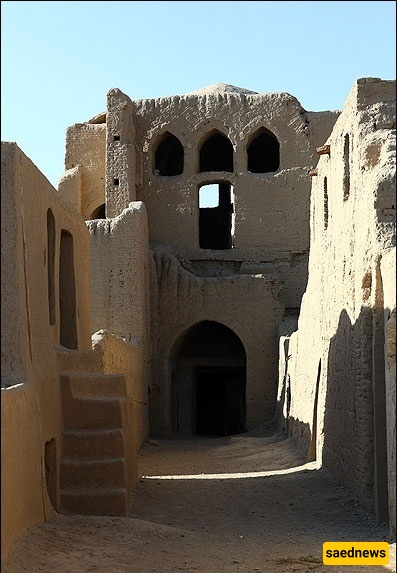
The fortress also contains two-level rooms, where the upper floors were used for human habitation and the lower levels for keeping livestock. These mudbrick levels are connected by narrow stairways.
On the eastern side of the castle, there is a deep qanat well that likely supplied water to the entire complex.
Historically, Mehrpadin Castle is considered a remarkable example of rural desert and plain fortresses. Until relatively recently, it remained active and inhabited, with each villager owning a room used for storing goods, agricultural products, food supplies, and livestock. However, the castle was not intended for permanent residence. It was primarily used during times of danger or impending attacks, when villagers would leave their homes and temporarily take refuge inside the fortress along with their valuable belongings.