Saed News: Creating a sense of “being important” through attention, gratitude, and simple daily connections can both strengthen the meaning of individual life and deepen human bonds.
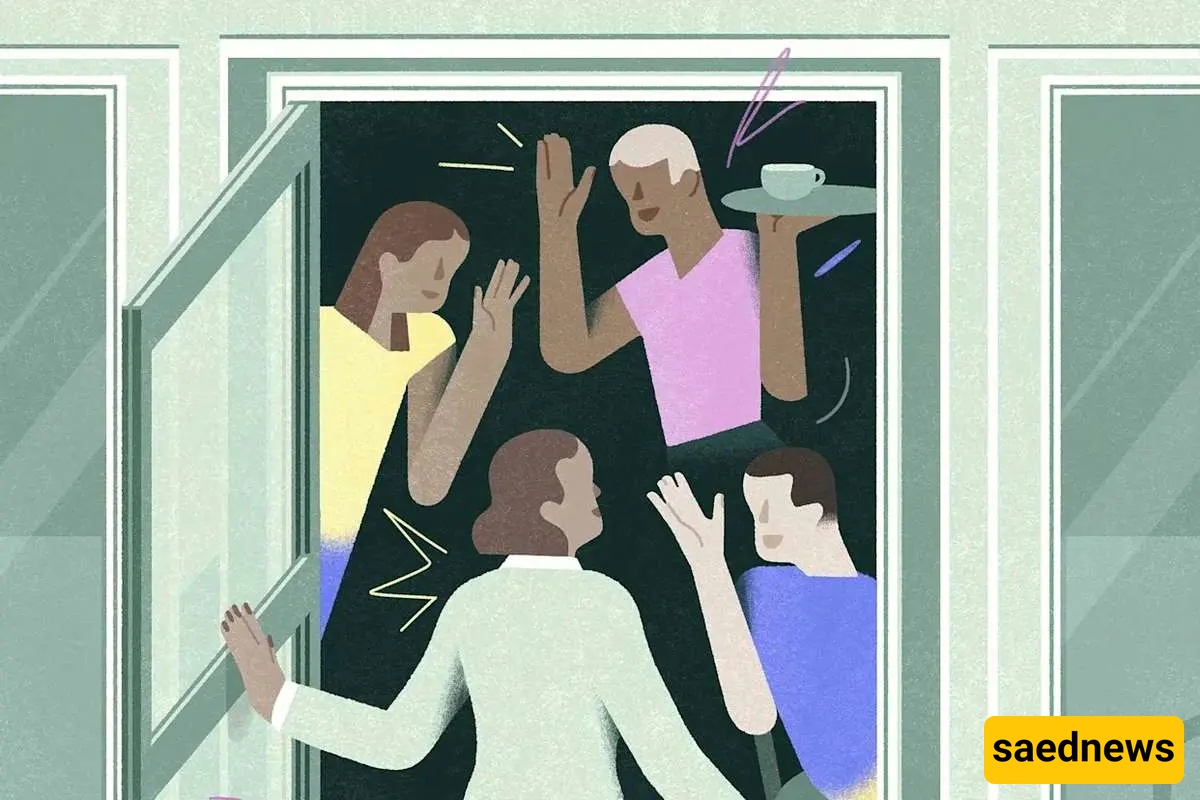
According to SAEDNEWS, citing Real Simple, you are important—and beyond that, you also have the ability to make others feel important. These two key messages form the core of Jennifer Breheny Wallace’s new book titled “Important”, which addresses one of the most fundamental human needs: the feeling that we are seen, valued, and that our presence in others’ lives matters.
But what exactly does “being important” mean? Wallace explains that this concept has two essential dimensions. First, the feeling of being valued and seen; and second, the opportunity to have an impact and create value for others. According to her, both dimensions are vital for mental health and human relationships, and the absence of either can lead to feelings of isolation and meaninglessness.
Wallace believes that today’s world is facing a kind of “loneliness epidemic.” She says the root of this crisis is a deep gap in people’s sense of importance. When individuals feel they do not matter to others, they gradually withdraw, become isolated, and disconnect from the world around them. This gap is not necessarily caused by major events; rather, it often forms in everyday and seemingly simple experiences: when we are not appreciated at work, when we are ignored among friends, or when we feel our partner takes us for granted.
However, Wallace emphasizes that there are many simple and practical ways to repair this gap—ways that can both strengthen our inner sense of worth and remind others that their presence matters.
Wallace’s first suggestion is to spend a short time at the end of each day reviewing what happened. She recommends identifying just one small moment where we had a positive impact on someone else’s life and writing it down. This impact can be very simple: helping a neighbor, making a colleague laugh with a simple joke, or calmly and respectfully handling a difficult conversation.
According to Wallace, this simple practice creates a kind of self-awareness that strengthens our inner sense of importance. When we realize that we can have an impact even on a small scale, our self-image becomes more realistic and positive.
Another suggestion is creating what Wallace calls an “impact file”—a box or folder where we keep notes, cards, and messages of appreciation from others. These writings can remind us, especially on days when we feel unimportant or exhausted, that our presence has mattered to others.
She says reviewing these notes not only revives good memories but also helps us see our value beyond momentary judgments or passing emotions.
From Wallace’s perspective, being important is not only about receiving attention; expressing gratitude toward others is also part of this cycle. She recommends offering specific and personalized appreciation instead of general thank-yous. For example, when receiving a gift, the focus should shift from the object itself to the intention and thought behind it.
Similarly, after receiving advice or guidance, we can respond by explaining its impact, showing that the other person’s time and attention were valuable. These kinds of gratitude deepen human connections.
Wallace introduces the concept of “spaces of importance”—places outside home and work where a sense of belonging and community can form. These spaces can be a local café, a gym, a park, or any place we regularly visit.
She shares a personal story of how her father built a meaningful human connection by recognizing restaurant staff and paying attention to their lives. According to Wallace, such simple attention can transform an ordinary place into a space filled with belonging and human warmth.
The final exercise Wallace suggests is a simple but powerful mental practice: imagine that every person we meet has an invisible sign on their chest that reads, “Am I important?” This mindset can make us more kind, better listeners, and more empathetic human beings.
Wallace says the interesting point is that every time we affirm another person’s value, we are also reminding ourselves of our own ability to make an impact. In this way, by valuing others, we also strengthen our own sense of worth.
In the end, the main message is simple but profound: meaning is often created in everyday details—in attention, gratitude, and human connection. Things that may seem small, but can significantly improve the quality of life.