SAEDNEWS: You might be among those who know very little about Eritrea. You may find it intriguing that this beautiful land lies in the northeastern part of Africa. With a climate that is pleasantly mild rather than cold, it has the potential to be an appealing destination for travelers.
According to the Family Magazine section of SaedNews, Eritrea, officially the State of Eritrea, is a country located on the Red Sea coast in northeastern Africa, near the Bab el-Mandeb Strait. It gained independence from Ethiopia in 1993. Its capital is Asmara. Eritrea boasts over 900 kilometers of coastline along the Red Sea. The country’s name derives from a Greek word meaning “Red Land.” Eritrea shares borders with Sudan to the west, Ethiopia to the south, and Djibouti to the southeast, while its eastern and northeastern edges meet the Red Sea. Major cities include Massawa, Assab, and Keren.
In the early 20th century, Eritrea was an Italian colony. During the 1935–1936 Italian invasion of Ethiopia, it served as a military base. In 1941, after Italian forces were expelled from East Africa, Eritrea came under British administration. In 1952, it became an autonomous region federated with Ethiopia. Eritrean guerrillas nearly cleared the territory of Ethiopian forces in 1977, but the Ethiopian government under Colonel Mengistu regained control the following year. The Eritrean Liberation Front eventually achieved independence in 1991. A referendum held in April 1993 confirmed independence, and Eritrea officially became a sovereign nation on May 24, 1993.
Eritrea’s climate varies: the coastal areas along the Red Sea are hot and arid, while the central highlands are cooler and more humid. Hilly and lowland areas experience semi-arid conditions. The main rainy season occurs from February to April, with additional rainfall between June and September outside the coastal strip.
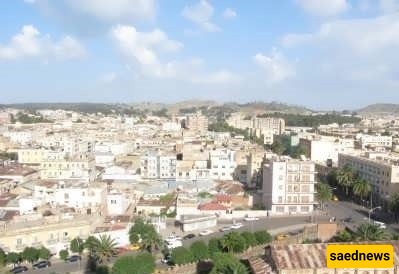
Asmara, the capital, is a city of historic charm and modern vibrancy. Visitors are welcomed by friendly neighborhoods, historic cafés serving Italian-style coffee, and patisseries filling the streets with sweet aromas. The city exudes a calm and inviting atmosphere that encourages long stays. Asmara’s blend of unique architecture, rich history, warm local residents, and eight months of sunshine annually make it one of Africa’s most endearing urban centers.
Located 100 kilometers from Asmara, the port city of Massawa is a coastal gem. Its streets and alleys are picturesque, offering a soothing experience for pedestrians. Though parts of the city were damaged during Eritrea’s struggle for independence, its coastal beauty remains captivating. Highlights include coral-built homes and the Ottoman-era market. Key historic sites include the 16th-century Imperial Palace by Asdemirasha and a 19th-century building commissioned by Wernz Münzinger, used by the Ethiopian emperor. The city’s St. Mary Church features stunning murals and memorial sculptures.
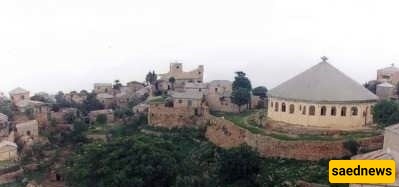
Keren is another must-visit city, known for its extensive ruins and historical sites, some dating back to the 3rd century. Visitors can explore large stone churches and climb nearby rock formations for panoramic views.Adulis
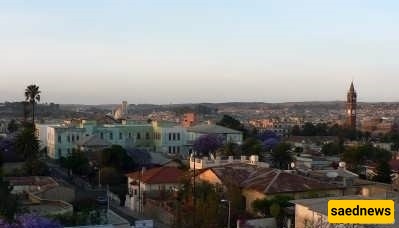
On the Red Sea coast, Adulis is a picturesque port city whose name means “white” in the local language. Rich in architectural and historical attractions, it houses a 5th-century Byzantine church. Easily accessible from Asmara, the city offers free entry and guided tours for those interested in its history.
Dahlak Kebir is one of Eritrea’s largest islands in the Red Sea, home to roughly 2,500 residents who rely on fishing and tourism. Nearby villages have ancient canals and reservoirs dating back over 900 years. While modern technology exists on parts of the island, traditional lifestyles dominate, offering a glimpse into a slower, historical way of life.
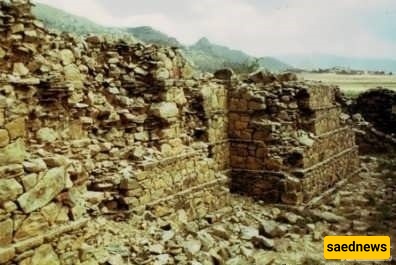
Matara is among Eritrea’s most impressive archaeological sites. Once part of ancient Ethiopia, the area is believed to be around 4,000 years old. Eritrea has sought to reclaim artifacts from Ethiopia’s National Museum since gaining independence, though these efforts have not yet succeeded.
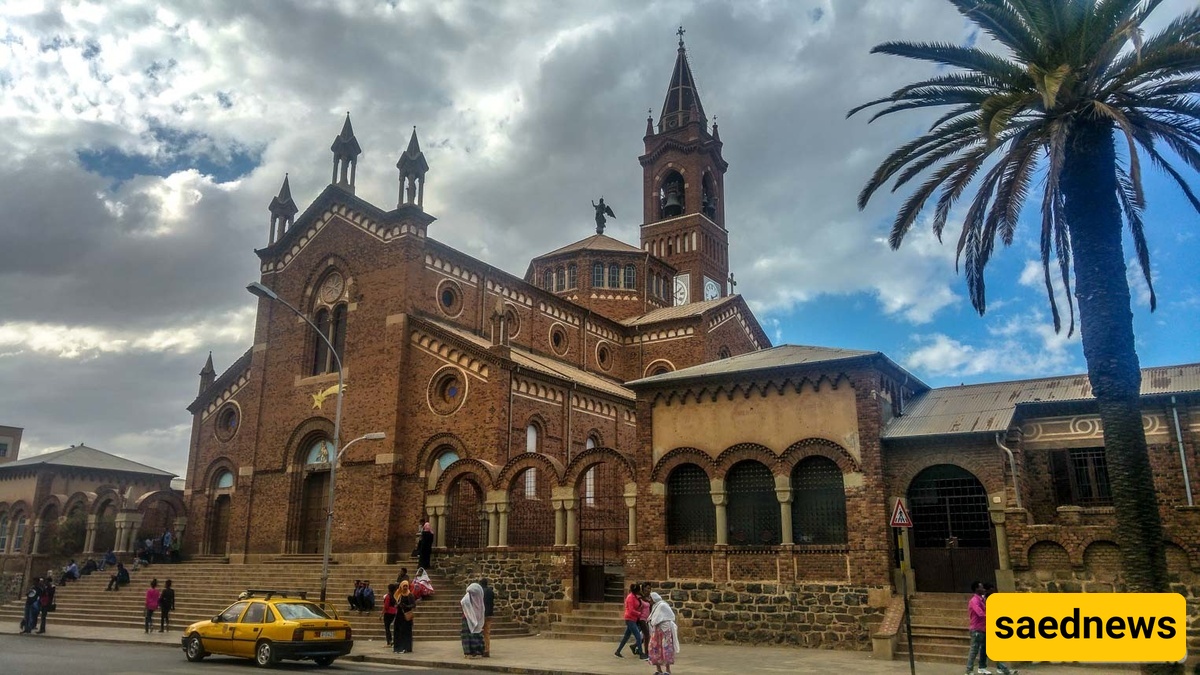
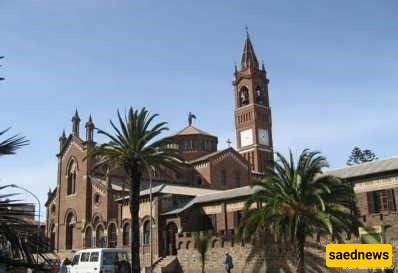
Christianity is predominant in Eritrea, unlike Ethiopia. The Roman Catholic Our Lady of the Rosary Church in Asmara, built in 1923 with papal support, is one of the country’s most significant religious sites. It houses notable features, including a memorial for Archbishop Camillo Francesco Carrera.
Located south of the Red Sea, Nabro Volcano is a natural attraction of growing interest. Believed dormant for centuries, it erupted in 2011. Small ongoing volcanic activities continue today. Several magma lakes nearby offer visitors a memorable experience.