SAEDNEWS: Sometimes, for various reasons, some food may be left over after a meal. But how should we store different types of leftover food, and what is the best way to keep them safe and fresh?
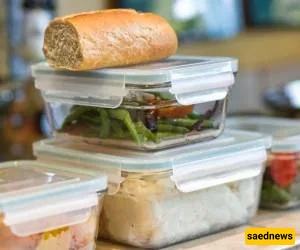
According to SAEDNEWS, What do you think is the best way to store leftover food? Is it better to refrigerate it or freeze it? Should leftovers be wrapped in aluminum foil or placed in plastic bags? In this guide, we introduce the most effective methods for storing leftover foods based on their type, so you can keep them fresh and safe without trouble.
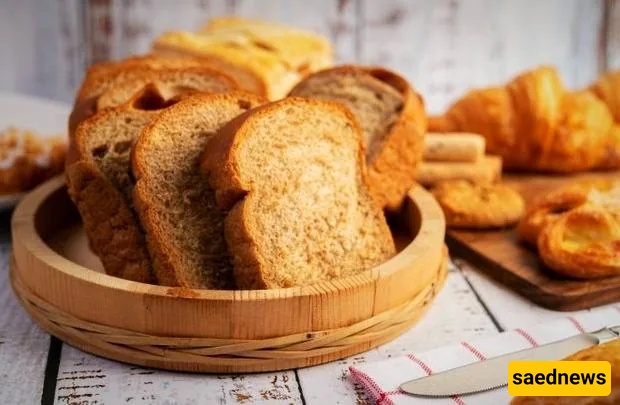
Fortunately, different types of bread, including toast, can be stored in bread boxes. These containers are airtight, allowing bread to last about 5 to 7 days, although it begins to lose freshness after 2 to 3 days. If bread is stored in the freezer, it can last up to six months, provided it is wrapped in airtight aluminum foil.
Cakes made with fresh fruit stay fresher at room temperature. You can place leftover cake in a plastic bag, where it will remain fresh for 3 to 4 days. Refrigerating cake, however, may cause its quality to decline after two days.
Once a cheese package is opened, store the remaining cheese in a sealed plastic bag or a new airtight container. Soft cheeses last about one week, while hard cheeses can stay fresh for 3 to 4 weeks under proper storage.

Leftover chicken and other cooked meats can be stored in the refrigerator for 3 to 4 days. It is best to remove the meat from the bone and allow it to cool before refrigerating. Freezing chicken significantly extends its shelf life.
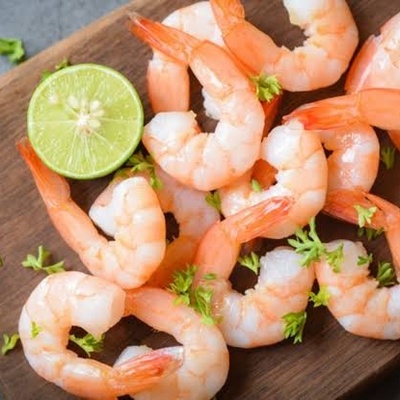
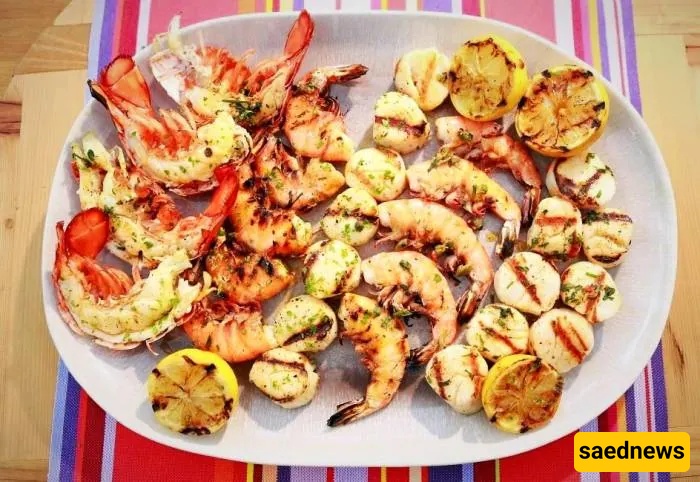
Seafood loses quality quickly, so it is best to cook it in small amounts. If leftovers must be stored, place them in a sealed plastic bag and refrigerate. Seafood generally lasts no more than 3 to 4 days in the refrigerator.
The best way to store hard-boiled eggs is in airtight containers, as they easily absorb odors from other foods in the refrigerator. You may also store them in sealed plastic bags. If the shells are still intact, you can place the eggs in cold water and change the water daily.
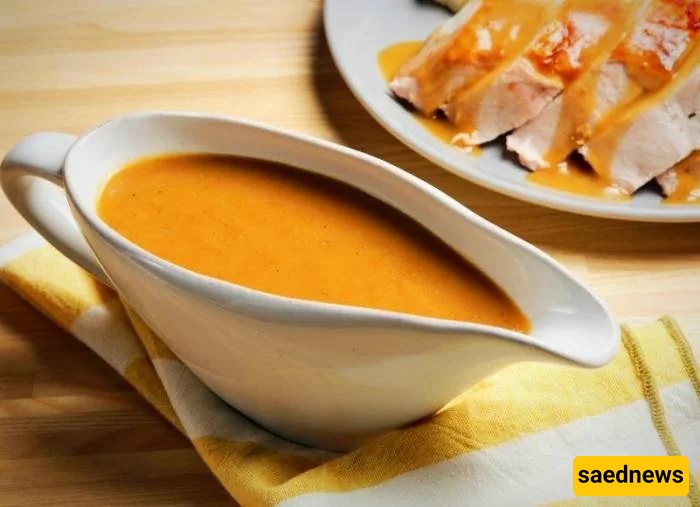
The freezer is an excellent option for storing leftover sauces. Freezing allows you to use them later as needed. Pour sauce into ice cube trays for convenient portioning.
Mashed potatoes usually lose their flavor after one day. However, if you want to save them, place them in an airtight container in the refrigerator, where they can last 3 to 4 days.
The best way to store pasta is without any sauce. Pasta spoils quickly, but if kept in an airtight container, it can be refrigerated for up to three days.
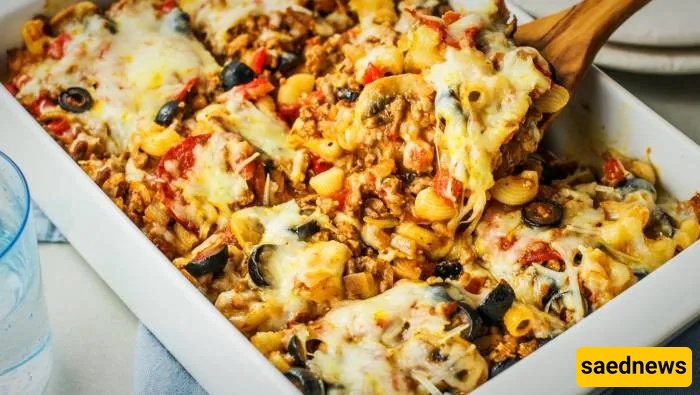
Pizza storage options are limited. You can wrap slices tightly in aluminum foil, as long as there is no sauce on them. Alternatively, store pizza in an airtight container, where it will stay fresh for 3 to 4 days.
Cooked rice requires extra caution. If left at room temperature for too long, bacteria can grow within two hours. Store rice in a sealed container in the refrigerator, where it can last 3 to 4 days.
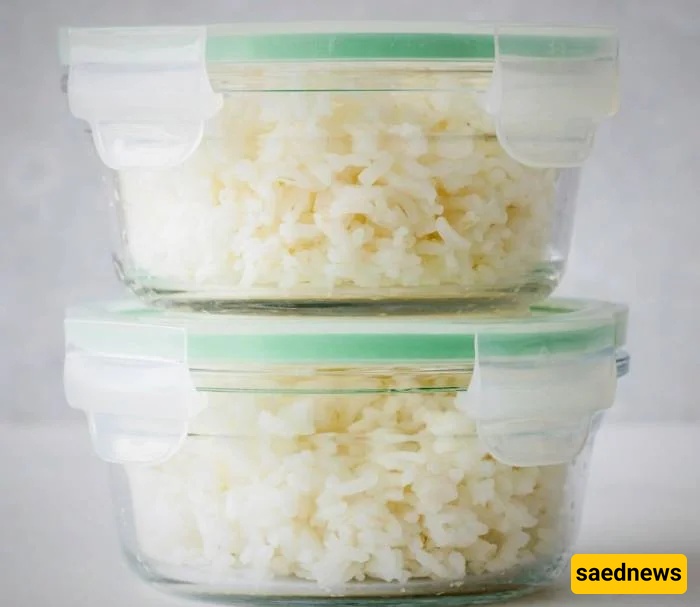
Grilled vegetables can be stored in airtight containers in the refrigerator for 3 to 4 days. Vegetable soups follow the same storage rules.
It is best not to store leftover salad, as it becomes acidic quickly and leafy greens wilt. If necessary, place it in a completely airtight container with no air exposure.
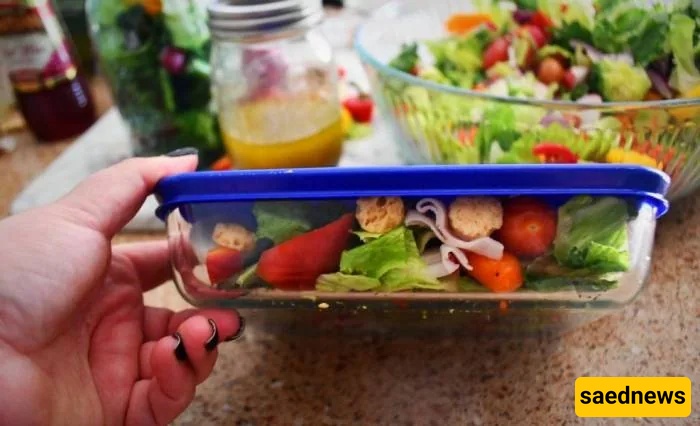
Soups often taste better the next day. You can store soup in the refrigerator for 3 to 4 days in a sealed container or freeze it for 4 to 6 months, as long as the container is completely airtight.
Once a can of tuna is opened, it should not be left at room temperature. Store tuna salad in an airtight container in the refrigerator, where it will last 3 to 4 days.
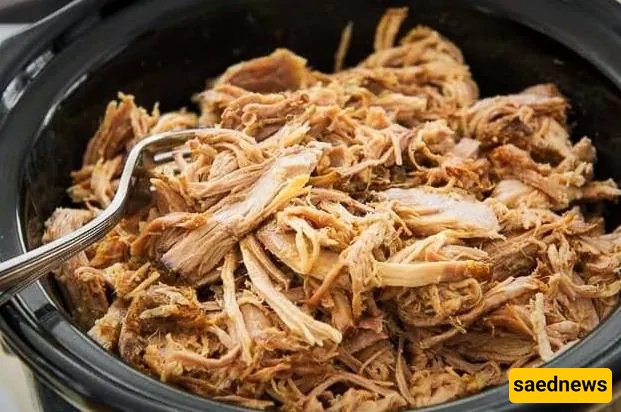
After food cools, transfer it immediately into a suitable container and refrigerate it. Do not leave it at room temperature.
Use smaller containers to save refrigerator space.
Avoid overcrowding the refrigerator to allow proper air circulation.
Consume refrigerated leftovers within 3 to 4 days.
Reheat leftovers to an internal temperature of 165°F (74°C) before eating.