SAEDNEWS: The anger of young people should not be seen merely as an emotional reaction or a security threat. It is a social signal, highlighting the gap between legitimate expectations and the realities they face.
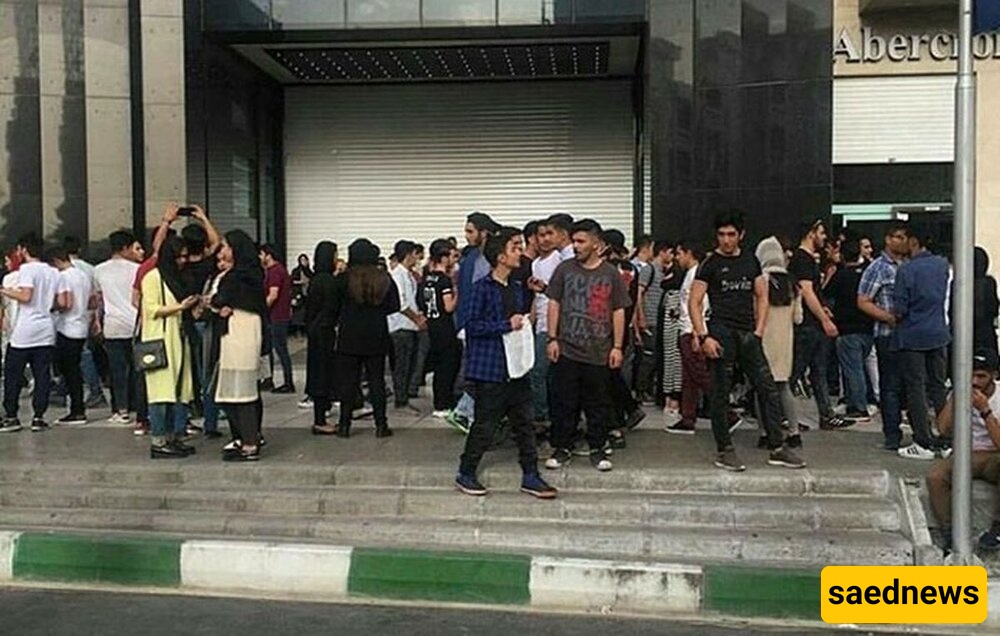
According to the political section of SaedNews, in many societies, the condition of young people is often seen as a thermometer for measuring social health. When youth are hopeful, engaged, and future-oriented, a society can be described as dynamic and stable. But when feelings of despair, distrust, and anger spread among them, it signals disturbances in economic, social, and governance structures.
In today’s Iran, a significant portion of young people known as “Generation Z”—those born in the final decades of the previous century and the beginning of the new millennium—face deep dissatisfaction and suppressed anger. This anger is not sudden or unfounded; it is the cumulative result of lived experiences and structures that limit opportunities.
This generation has grown up in a world with unprecedented access to information, global comparisons, and awareness of diverse lifestyles. Alongside economic pressures, structural limitations, and social uncertainties, they witness alternative ways of life in other countries. Constant comparison highlights the gap between “what is” and “what could be,” producing a sense of relative deprivation that can fuel social anger more than absolute poverty.
The following eight key factors contribute to the rising anger among Iranian youth:
1. Prolonged Delay in Entering Independent Adulthood
One of the main sources of dissatisfaction is the delayed transition into core adult responsibilities. Stable employment, family formation, access to housing, and economic independence have become distant goals. Many educated youth spend years after graduation searching for stable work, leaving them trapped in a cycle of waiting that intensifies feelings of stagnation and futility.
2. Economic Uncertainty and Erosion of Hope
Chronic inflation, declining purchasing power, labor market instability, and difficulty planning for the future weaken economic security. Young people can hope for the future only when planning is feasible; when the economic future is uncertain, motivation to invest effort and resources diminishes.
3. Gap Between Education and Real Opportunities
Significant investment in higher education by youth and their families often does not yield proportional economic or social returns. University degrees frequently fail to guarantee employment, and this gap between expectation and reality amplifies feelings of structural injustice.
4. Feeling Overlooked and Lack of Effective Dialogue
Many young people feel their voices are ignored in major social and cultural decision-making. The absence of meaningful channels for dialogue between youth and policymakers heightens feelings of ineffectiveness and social exclusion. When individuals believe their participation is futile, emotional distance from official structures grows.
5. Cultural Limitations and Generational Gaps
The new generation has grown up with different values, communication styles, and ways of living. In many cases, traditional institutions have struggled to adapt to cultural shifts, resulting in generational misunderstandings and a sense of being misunderstood.
6. Psychological Pressure and Mental Fatigue
Rising anxiety, insecurity about the future, educational and occupational competition, and constant exposure to negative news have placed immense pressure on youth mental health. Social anger often expresses underlying internal anxieties and insecurities.
7. Global Comparisons and Intensified Relative Deprivation
Digital connectivity allows young people to constantly compare their lives with peers abroad. While these comparisons can be enlightening, they also exacerbate feelings of lagging behind and unfairness, especially when pathways to similar opportunities are limited domestically.
8. Declining Social Trust and Erosion of Social Capital
Social trust forms the foundation of cooperation and collective hope. When trust in institutions, laws, and the future declines, social belonging weakens. A young person who doubts the future is less motivated to engage constructively.
The anger of young Iranians should not be dismissed as merely emotional or a security threat. It is a social signal indicating a gap between legitimate expectations and existing realities. Young people represent the country’s human, cultural, and creative capital, and ignoring their needs risks losing vital developmental potential.
Rebuilding social hope requires multi-layered action: establishing economic stability, reforming employment mechanisms, strengthening intergenerational dialogue, increasing youth participation in decision-making, addressing mental health seriously, and restoring social trust. Global experience shows that societies recognizing and involving their youth in decision-making have paved the way for sustainable development.
Iran’s young generation is not the enemy of the future but its builder. If their anger is heard and understood, it can become a force for reform and progress; if ignored, it risks deepening social divides. Now more than ever, society and policymakers must move beyond one-sided messaging and engage in genuine dialogue with youth—a dialogue that can mark the beginning of rebuilding trust and reviving hope.