SAEDNEWS: Following yesterday’s gatherings and protests at several academic institutions, including Sharif University of Technology, the need to define the relationship between the “right to protest” and the “responsibility of intellectual elites” in the country’s academic space has once again become a pressing issue.
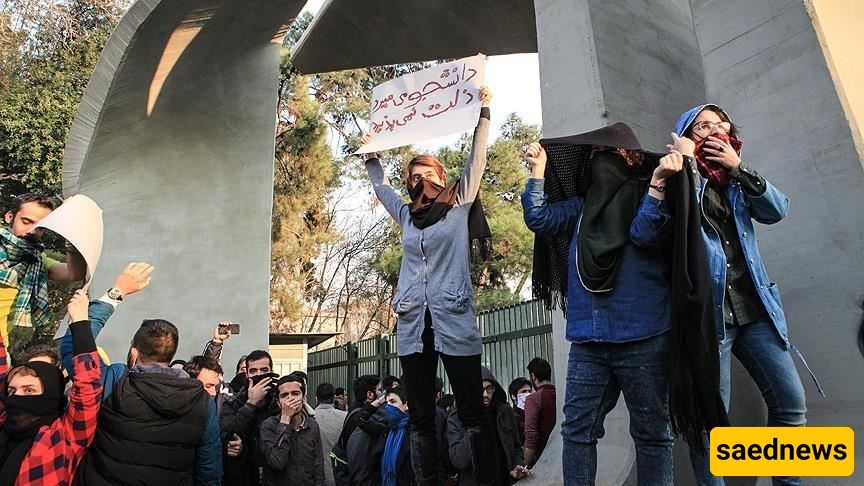
According to the political service of Saed News, the truth is that protest, as one of the foundations of dynamism in academic environments, is an inseparable right for students. However, the continuity and effectiveness of this right depend on adherence to specific ethical and civic principles that distinguish constructive action from futile disruption.
First and foremost, the identity of a university is intertwined with logic, words, and reason. Any hint of violence—whether through physical behavior or harsh, destructive rhetoric—quickly undermines the legitimacy of student advocacy. As the embodiment of societal rationality, students must not allow impulsive emotions to dominate their intellectual sphere. Violence is always the first and greatest obstacle to being heard; it causes dialogue to falter and opportunities for persuasion and reform to vanish.
Moreover, students, as the educated and forward-thinking segment of society, must lead in tolerance, open-mindedness, and pluralism. This political and social maturity is truly realized when students patiently recognize the right of their classmates—who may hold completely different or even opposing views—to voice dissenting opinions in the university setting. The university should serve as a rehearsal for democracy, and if this small environment cannot tolerate opposing perspectives, the claim to freedom on a national scale will face serious questions. Respecting diverse opinions is, in fact, a critical test of intellectual excellence in moments of protest.
Finally, the current sensitivity and the complexity of the media landscape require the student movement to clearly delineate its boundaries from forces outside the university. Students must ensure that their legitimate academic, political, and social demands are not exploited by biased narratives or foreign media seeking political gain far removed from the realities on the ground. Protecting the independence of protest and establishing smart boundaries with external pressure centers is essential—not only to preserve the psychological safety of the academic environment but also to ensure the credibility and impact of student movements in the eyes of the public.