SAEDNEWS: While the second Trump administration aggressively reshuffles its military forces in the region, senior American analysts told The New York Times that, contrary to initial assumptions, there is no “low-cost and clean” military option available to confront Iran.
According to the political service of Saed News, the New York Times has published an analytical report examining the challenges facing the Trump administration in dealing with Iran. The report emphasizes that comparing Iran to cases like Venezuela or past rapid military interventions is a “strategic mistake” that could put the United States on the verge of a long, attritional conflict.
Ali Vaez, director of the Iran Project at the International Crisis Group, told the New York Times bluntly: “There is no easy or low-cost military option for confronting Tehran.” Pointing to President Trump’s temperament and sensitivity to public opinion during his early years in office, he stressed that “the real risk of losing American soldiers’ lives” is the Pentagon’s greatest concern.
Unlike Venezuela, whose airspace was vulnerable to U.S. military power, Iran possesses one of the most diverse and largest missile and drone arsenals in the region. The New York Times reports: “Iran’s medium-range missiles, with ranges exceeding 1,200 miles, put all U.S. bases in the Middle East and Turkey directly within reach. This capability, combined with a network of regional allies, extends Iran’s response beyond a single geographic point to encompass the entire region.”
Analyzing the report and the current tension, several key points emerge:
The Trump Paradox: On one hand, Donald Trump seeks to restore American “military prestige,” while on the other, he came to office pledging to “end endless wars.” The New York Times highlights that any military adventurism against Iran would directly contradict his promise to avoid war. Trump knows that coffins returning from the Middle East would end his vision for a successful political legacy.
Shifts in Regional Balance: While the New York Times notes uncertainties about Iran’s weapon stockpiles following June tensions with Israel, field realities indicate that Iran’s deterrence doctrine has shifted from defensive to a posture of “retaliatory and offensive response.” This means the U.S. is no longer facing a passive actor, but a power that immediately factors the cost of any attack into its regional operations.
Misjudging Iran by Comparing It to Venezuela: Hardliners around Trump have attempted to apply the “rapid overthrow” or “military coup” models used in Venezuela against Maduro to Iran. But realistic analysts in Washington understand that Iran’s strategic depth and the cohesion of its armed forces prevent such models from being effective.
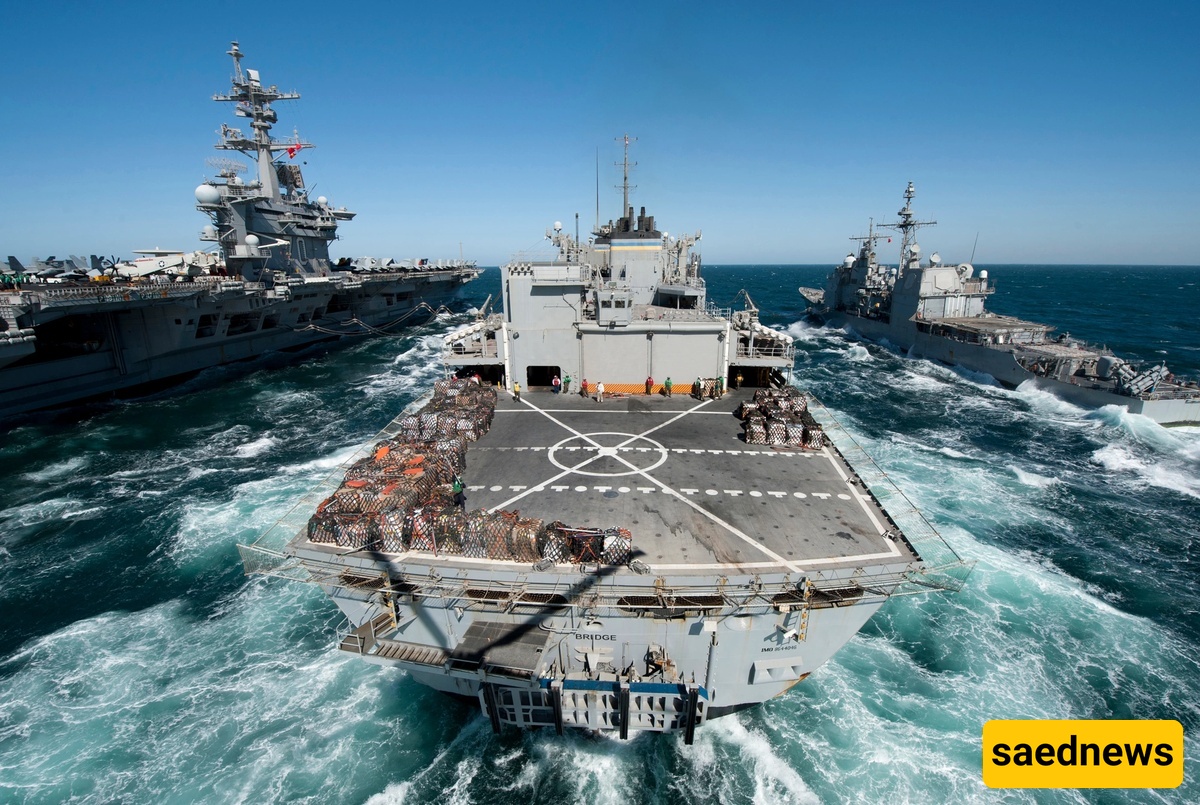
Current U.S. displays of power in the region appear more as tools for “negotiating leverage” than as preludes to actual attack. Yet, as experts told the New York Times, playing with the proverbial “lion’s tail” in a region where Iran is deeply rooted could ignite a conflict beyond the White House’s ability to control.