SAEDNEWS: Hassan Beheshti-Pour, an international affairs expert, believes that under the current circumstances we must adopt a realistic view of negotiations—neither seeing them as a miracle nor as an absolute evil. At the same time, negotiations should be entered with a clear and defined agenda.
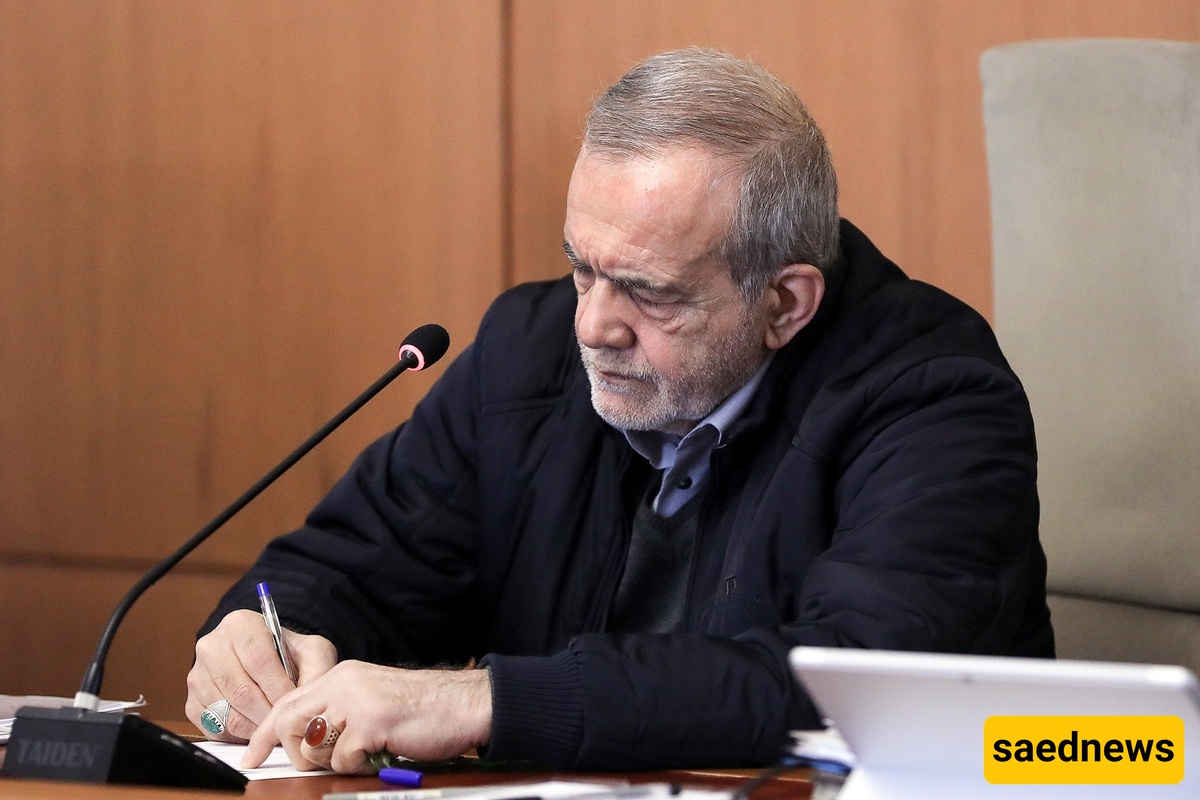
According to the Political Desk of the Saed News website, Farhikhtegan reported that Beheshti-Pour also pointed out that the establishment of a regional uranium reserve bank could be one of the items on the negotiation agenda. What follows is the full text of Farhikhtegan’s interview with this foreign policy expert.
Beheshti-Pour began by stressing that the start of negotiations is a governance-level decision and that the diplomatic apparatus must be supported.
“When the president’s order to begin negotiations is announced, it has certainly been approved by the Supreme National Security Council. Under Article 176, this approval is also granted with the confirmation of the Leader. Once something is approved, it is beneficial for the country to support its negotiators.
The reason for moving toward negotiations is also clear: naturally, we do not negotiate only with those with whom we have fewer challenges. Sometimes negotiations are necessary to manage crises and to reduce existing tensions in relations. Negotiation itself is neither good nor bad. What matters are the subject of the talks, the negotiating party, who conducts the negotiations, and what agenda is defined.”
Beheshti-Pour went on to highlight several points about the upcoming talks, saying:
“We must bear in mind that negotiations do not perform miracles. Creating the perception that everything will be resolved if we negotiate, or that everything will collapse if we do not, is incorrect. Negotiations do not produce miracles.
However, if they are properly planned, they can defend Iran’s legitimate rights and help ensure peace and stability for Iran and the region. Welcoming negotiations does not mean neglecting defense. Even in the talks where the United States withdrew from its commitments, it was not the case that our armed forces were caught off guard or that the enemy exploited the situation.
In fact, had we not negotiated, it would have been said that if negotiations had taken place, war would not have occurred. The principle should be that we both negotiate and strengthen our defensive power.”
Beheshti-Pour also referred to a possible plan aimed at guaranteeing regional security and emphasized:
“The negotiation process must be gradual. At present, it is unclear whether the talks will focus on nuclear or regional issues, but reports in the media suggest that the emphasis is on the nuclear file. The exact agenda of the nuclear negotiations has not yet been clarified.
It is said that one of the proposed items is the establishment of a bank of enriched uranium reserves among regional countries—such as Iran, Saudi Arabia, Turkey, Egypt, and countries that may require nuclear fuel, like the UAE. These states would form a joint nuclear bank to both supply and utilize fuel.
Such an initiative would create collective security. First, it would guarantee the peaceful nature of nuclear fuel use; second, it would establish multilateral regional cooperation. This is an idea. Whether such multilateral cooperation in the region is feasible or not must be determined through negotiations.
Recent phone calls by the foreign minister with Egypt, Turkey, Saudi Arabia, and the UAE further strengthen speculation about such joint cooperation. The location of this bank would itself be a significant issue. If this plan serves as a prelude to forming a regional security pact, it could guarantee the security of countries without the presence of the United States in the region. Diplomacy has many unexplored paths and, under different circumstances, can place various proposals on the table.”