SAEDNEWS: Ardabil is considered one of the most beautiful cities in Iran, which, in addition to its tourist attractions, has distinctive and renowned handicrafts recognized worldwide.
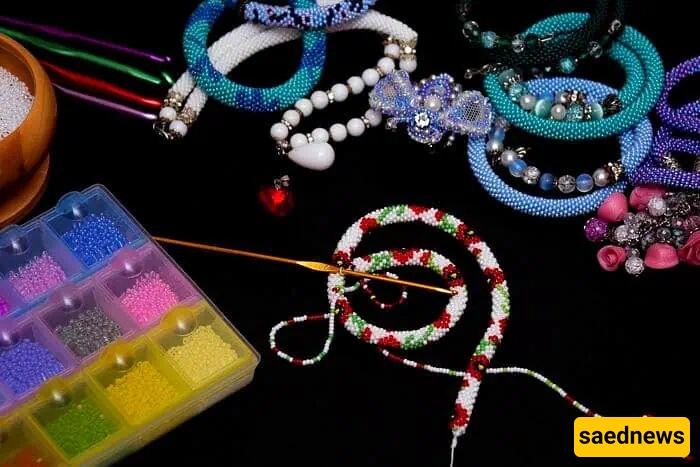
The nomads, villagers, and city residents play the largest role in producing Ardabil’s handicrafts. Among the most famous and long-standing handicrafts of Ardabil are kilim weaving, jajim weaving, and carpet weaving, with kilim weaving being particularly significant. The backgrounds of carpets woven by Ardabil weavers typically feature broken patterns and Islamic motifs.
Some of the notable designs include single-flower patterns, stars, scissors, van patterns, small fish, Heris, ram’s head, Zirkhaki, Zarrin Qalam, Lachak-Toranj, and Qarabagh patterns. About 80% of Ardabil’s carpets are exported to countries such as Germany, Japan, France, and Italy.
Other crafts in Ardabil include hook embroidery, woolen socks, khorjin weaving, silverwork, shawl weaving, engraving, marquetry, and wood, metal, and pottery crafts.
Carpet weaving emerged in Ardabil during the Safavid dynasty. Later, during World War II, it grew further under the influence of Caucasian and Tabrizi patterns and methods. A famous carpet discovered at the burial site of Shah Ismail confirms the long history of carpet weaving in the region. The patterns are often made of silk with Persian knots, designed to provide visual harmony. Other common carpet motifs include Toranjdar, Zil al-Sultan, Mashayekhi, Herati, and Guldani.
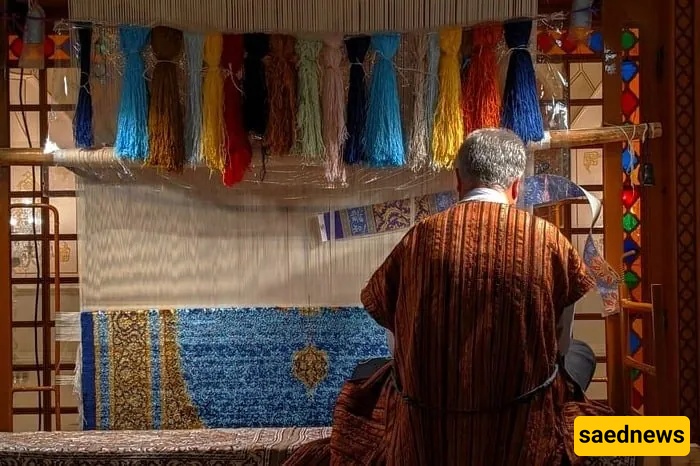
Varni is a type of small rug unique to Ardabil, also known as needle kilim, woven from silk or wool on vertical looms. It is sometimes called a kilim-like carpet or semi-carpet. Varni weaving belongs to the Alson tribes and the Arasbaran nomads and has traditionally been used as bedding and floor covering. Common motifs include local animals, geometric shapes, and more.
Plas can serve as both a floor covering and a khorjin (saddlebag) or prayer rug. It is materially less valuable than kilim but visually similar. Unlike jajim, whose patterns run vertically, plas features horizontal lines and is made from wool.
Tazhib is the art of decorating books and manuscripts, focusing more on artistic value than industrial utility. Ardabil artists are renowned for gold embellishment, miniature painting, and designing Islamic and Chinese motifs, using lapis, indigo, blue, and gold colors. Common designs include flowers, plants, and geometric shapes.
Masnad is another handwoven floor covering, similar to kilim. The main production center is Namin. Due to the region’s mountainous terrain, locals turned to weaving instead of agriculture. This art is popular in European countries such as Germany. Common motifs include Qarabagh, Guldani, Gangali, tripod, and Qapaq, with natural dyes often used.
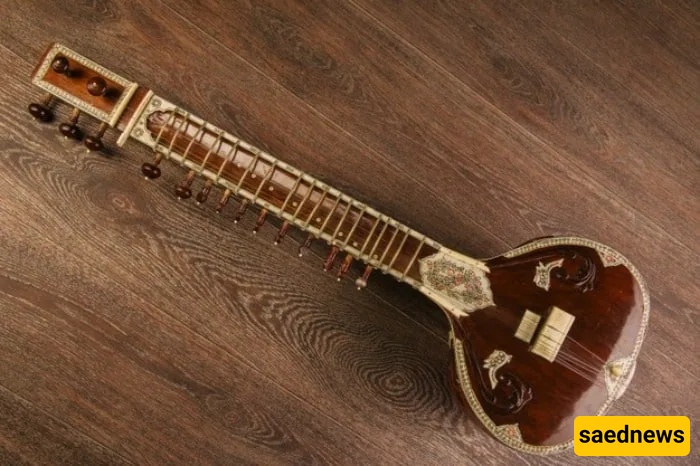
Ardabil’s traditional arts include making musical instruments from trees such as mulberry, walnut, and boxwood. Popular instruments include tonbak, kamancheh, santur, dotar, setar, and santur. Calligraphy, painting, marquetry, and marquetry also contribute to these instruments.
Doll making is an ancient symbolic craft in Iran, still practiced in Ardabil. Dolls are woven in local clothing and various designs. A well-known Ardabil doll is the “Takem,” used in springtime rituals in villages and neighborhoods.
Ojaq Qaraghi is a woolen craft designed to protect carpets from damage and dirt. Traditionally made in the Moghan Plain, it resembles a kilim with geometric patterns. Initially horse-shoe-shaped, it is now woven rectangular and used to protect carpets from stoves or braziers.
Woodturning involves shaping wood with rotary tools, creating grooves and textures. Hard, dense wood produces more durable and delicate results. Wood from ash, walnut, hornbeam, and elm is commonly used to make hookahs, tables, furniture, walking sticks, rolling pins, chairs, and lampshades. This craft is especially popular in Sarein.
One of Ardabil’s most beloved arts, kilim weaving dates back to the Parthian era. Types include Varni, embossed, and plain. Main production centers are Anbaran, Moghan, and surrounding areas. Common motifs include the sunwheel, dragon, crab, samovar, tray, and imaginative patterns. Cotton yarns are used for the warp, and colored wool and silk for the weft.
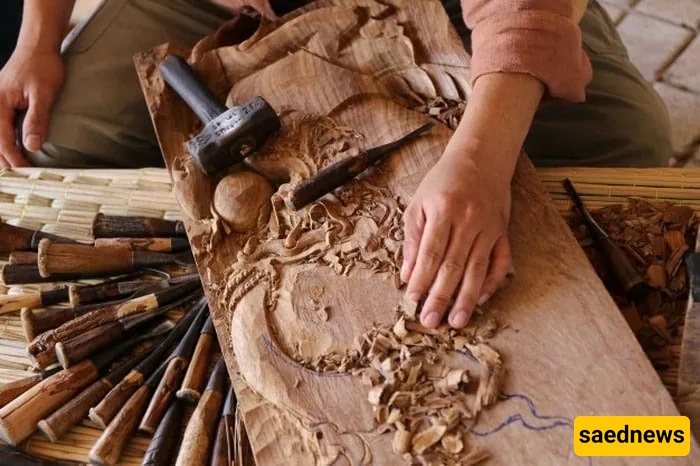
A traditional craft creating relief patterns such as flowers and plants on wood. The durability of the wood is critical. Walnut, boxwood, almond, and pear are the preferred woods.
Pottery in Ardabil dates back to the Parthian era. Clay, chosen for its purity and stickiness, is shaped into sculptures, bowls, cups, and jars, then fired in a kiln to achieve a natural red color. Unglazed clay has various practical uses.
Villagers in Khalkhal and surrounding areas weave simple and floral jajim rugs, traditionally used as floor coverings, now often for bedding, table covers, and prayer mats. Made primarily from sheep’s wool, they are thick and durable. Common motifs include ear-shaped designs, ring motifs, and almond flowers.
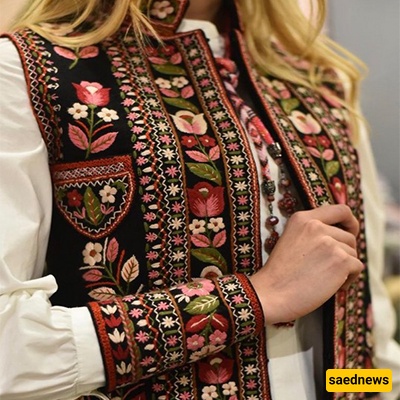
Delicate embroidery decorates fabrics with flowers, buds, and luxurious designs. It is done with colored threads and hooks.
Chanteh is a small bag made from sheep’s wool, similar to a miniature rug. Two small carpets are sewn together, with tassels attached at the bottom and a handle at the top. Sometimes kilim or jajim techniques are used.
Filigree is the art of crafting decorative objects and jewelry using gold, silver, or copper wires. This ancient art dates back 3,000 years and includes rings, necklaces, pendants, earrings, and ornamental vessels.
Seraji is the art of making horse saddles from tanned leather, sewn by hand with precision. Saddles are considered luxury items and are popular in Azerbaijan.
Leather painting has a 70-year history in Ardabil, done entirely by hand. Artists paint leather with various colors, making this one of the most popular and best-selling handicrafts in the city.
Saltbags, woven by nomads, store coarse salt or pebbles. They are cylindrical, similar to jajim or kilim, with patterns inspired by nature, flowers, and animals. Cotton lining protects the salt from direct contact with wool.
Engraved glass is created using special tools and stones to carve deep or shallow designs. Finished glassware is polished and sold in various colors and patterns.
Khorjin is a large double-sided bag woven by nomads and villagers. It is used on pack animals, bicycles, and motorcycles. Width ranges from 30 to 90 cm. Materials include goat hair, cotton yarn, and colored wool. Ardabil khorjins are known for their quality and beauty.
Varsheh refers to items such as trays and samovars made from an alloy of 45% copper, 30% zinc, and 20% nickel. The metal is easily shaped and widely used in Ardabil’s handicrafts.