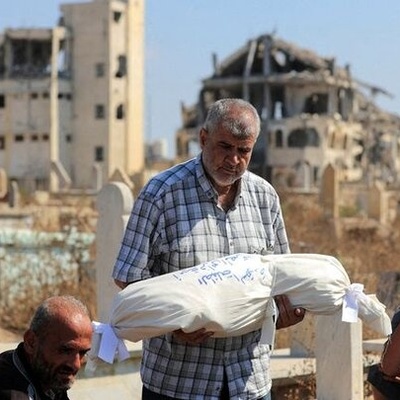
SAEDNEWS: Unstable buildings, gas leaks, damaged electrical wires, and even unexploded ammunition can threaten the lives of people who approach the site to return or observe the aftermath.
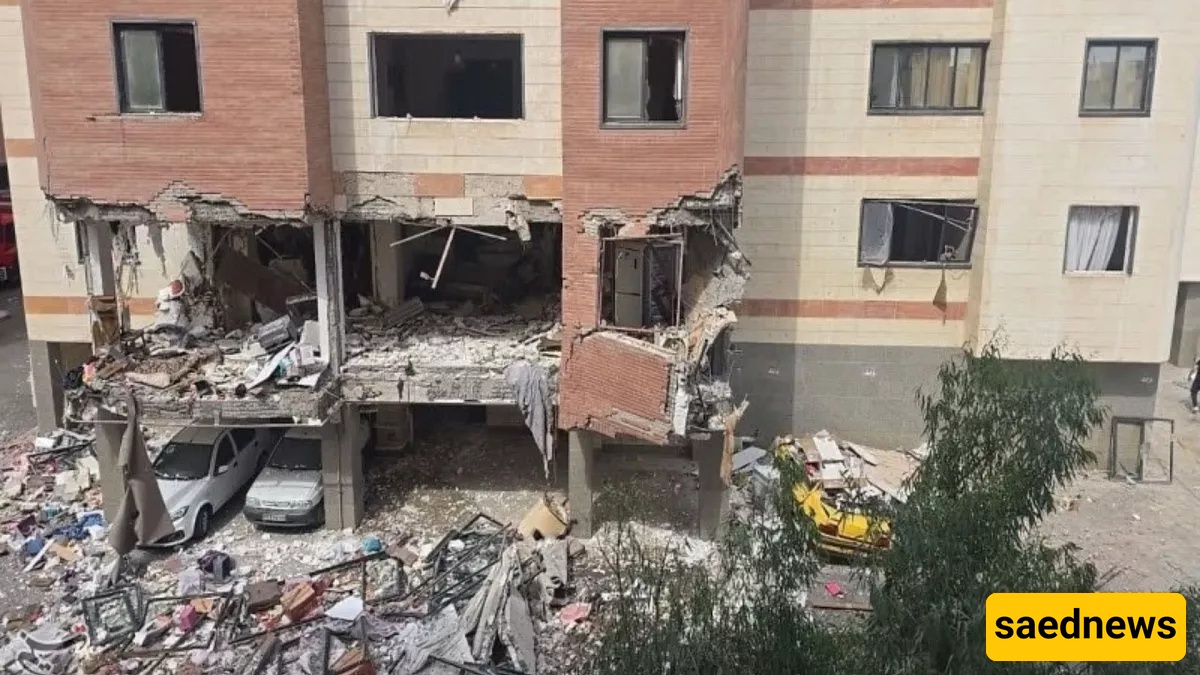
According to Saed News’ social affairs report, citing Khabar Online, experts from the Health Research Center for Accidents and Disasters at the University of Rehabilitation Sciences and Social Health warn that returning too quickly to the scene of an incident is a hidden danger.
Even after the main event has ended, the surrounding environment may still pose serious risks. Awareness of these dangers and adherence to safety principles can prevent further injuries.
Buildings may have cracks in columns, walls, or ceilings, with a risk of sudden collapse.
Gas leaks, fuel spills, or damaged electrical systems can trigger fires or secondary explosions.
Exposed wires or malfunctioning electrical equipment may cause electrocution.
Broken pipes can lead to water leaks, environmental contamination, and public health hazards.
Smoke, dust, and chemicals released during an explosion can be harmful to human health.
Broken glass, metal fragments, and construction debris increase the risk of injury.
In some cases, remnants of explosives may remain at the site, posing ongoing danger.
In disaster management, “community resilience” involves adaptation and risk mitigation. In prolonged crises, such as wars, people gradually adjust to conditions; however, this adaptation may reduce safety awareness. A similar trend was observed during the COVID-19 pandemic, where initial experience with danger sometimes led to lax preventive measures. Maintaining public awareness and risk perception is therefore crucial.
Avoid gathering near or approaching the site of an explosion or accident.
Do not enter damaged buildings until official authorities confirm safety.
Leave the area immediately if you detect gas smells, unusual smoke, or damaged electrical wires, and inform officials.
Do not touch suspicious objects, metal debris, or unexploded ordnance.
Avoid unnecessary movement in the incident area to keep paths clear for emergency responders.
Use a mask if possible to reduce inhalation of dust and smoke.
Keep children and the elderly away from the scene.
Follow information and alerts only from official sources; avoid spreading rumors.
If you see an injured person, notify emergency responders immediately without putting yourself at risk.
Cooperation with emergency personnel and adherence to safety guidelines can prevent further casualties.