SAEDNEWS: Iranian agricultural specialists are calling for stronger policies to safeguard the Taleshi sheep, an adaptable indigenous breed that has sustained livelihoods in northern mountain communities for centuries, amid growing threats to its genetic purity and population.
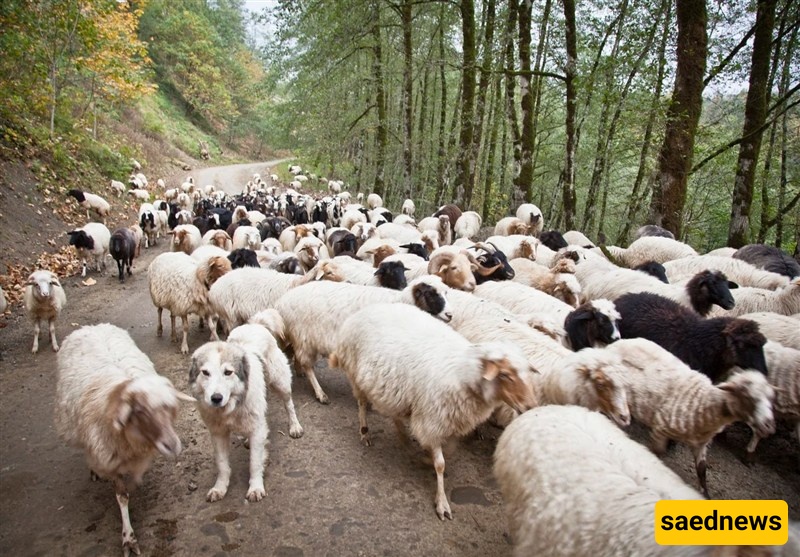
According to SAEDNEWS, Experts have identified the Taleshi sheep as a strategic livestock asset that supports the agricultural economy and sustains rural livelihoods across northern Iran's provinces.
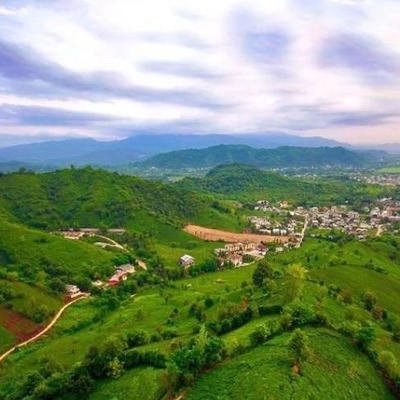
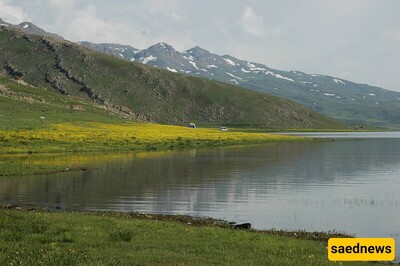
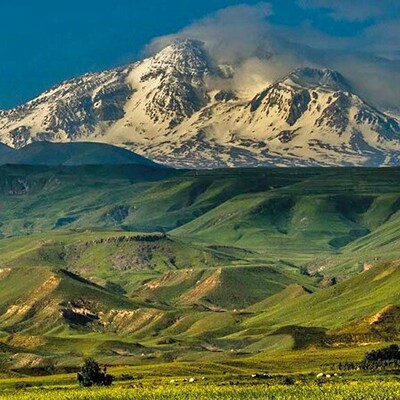
This indigenous breed has adapted over centuries to the mountainous, forested, and humid conditions of the Talesh region.
Researchers describe it as a valuable national genetic resource that demands stronger conservation policies and institutional backing.
Hamed Kioumarsi, a researcher at Iran’s Agricultural Research, Education and Extension Organization (AREEO) and Editor-in-Chief of the Journal of Biotropical Research and Nature Technology, told Tasnim News that the Taleshi sheep demonstrates remarkable tolerance to harsh environmental conditions, including high humidity and limited forage availability.
He explained that the breed’s strong adaptation to mountainous and forest ecosystems makes it a critical source of income for pastoral communities in remote areas where other agricultural options remain limited.
Kioumarsi further noted that Taleshi sheep play a major role in red meat production throughout northern Iran, with their meat widely praised for its superior quality and distinctive taste.
Livestock specialists point out that the breed helps maintain balanced grazing systems and prevents land abandonment in mountainous and border regions.
Preserving native breeds like the Taleshi sheep therefore proves essential for ensuring food security, protecting biodiversity, and building greater resilience against climate change.
Compared to imported or highly commercial breeds, indigenous livestock such as Taleshi sheep show superior adaptation to local diseases and environmental stresses.
This natural resilience reduces farmers’ reliance on expensive commercial feeds and veterinary treatments.
Despite these advantages, the Taleshi sheep population now confronts serious threats.
Key challenges include uncontrolled crossbreeding, ongoing rangeland degradation, rural out-migration, and inadequate institutional support.
Researchers have repeatedly urged the establishment of structured breeding programs, dedicated genetic conservation efforts, and targeted financial assistance for local herders to halt the breed’s gradual decline.
Promoting the conservation and sustainable use of Taleshi sheep directly supports Iran’s broader national objectives of bolstering domestic agricultural output, advancing rural development, and preserving the country’s agricultural heritage.
Experts insist that greater investment, intensified scientific research, and increased public and media awareness remain crucial to secure the breed’s long-term strategic importance within Iran’s livestock sector.