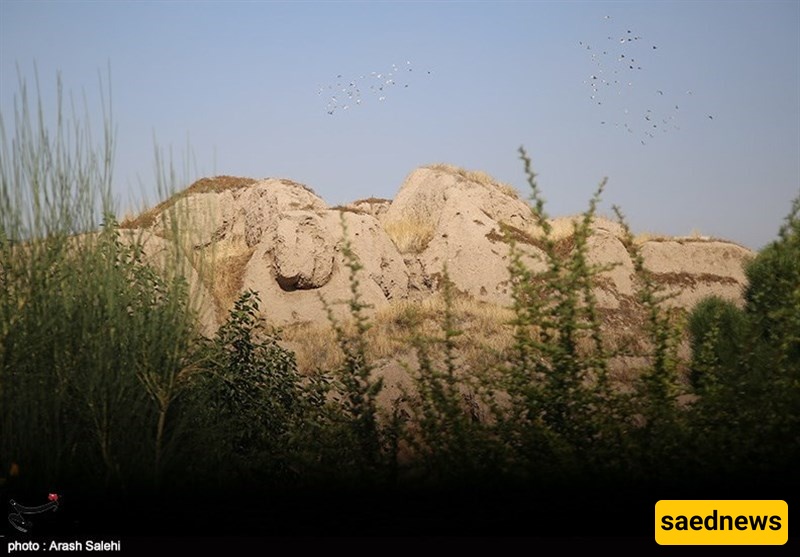
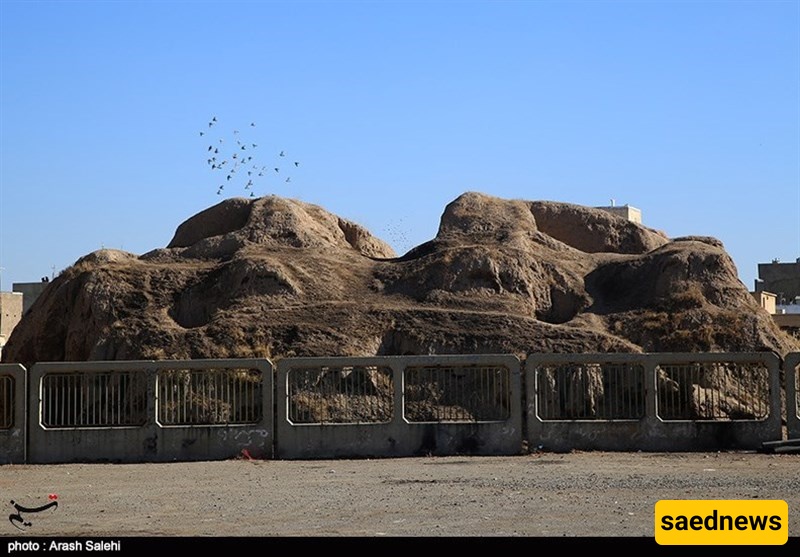
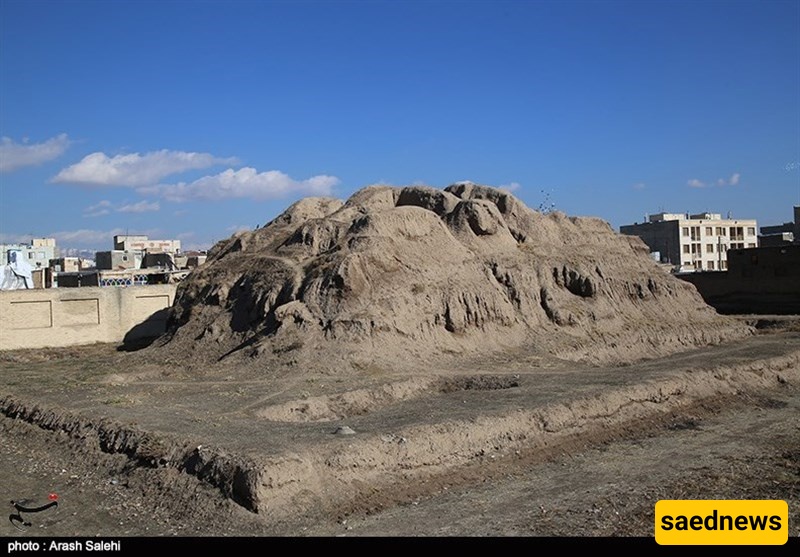
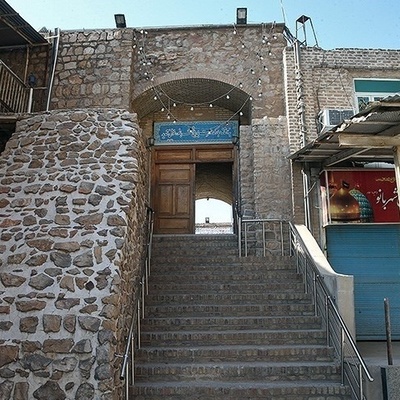
SAEDNEWS: Meimoon Ghal’eh Castle, also called Mehman Ghal’eh Castle, is among the many castle ruins dotting the Qazvin region in northern Iran.
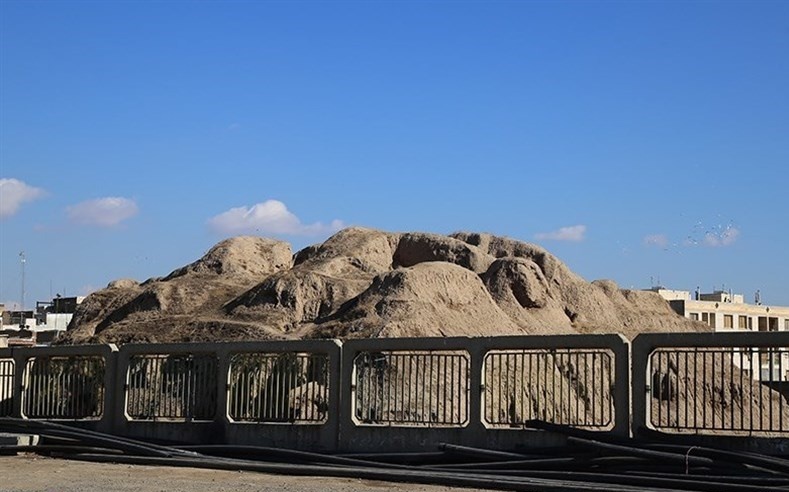
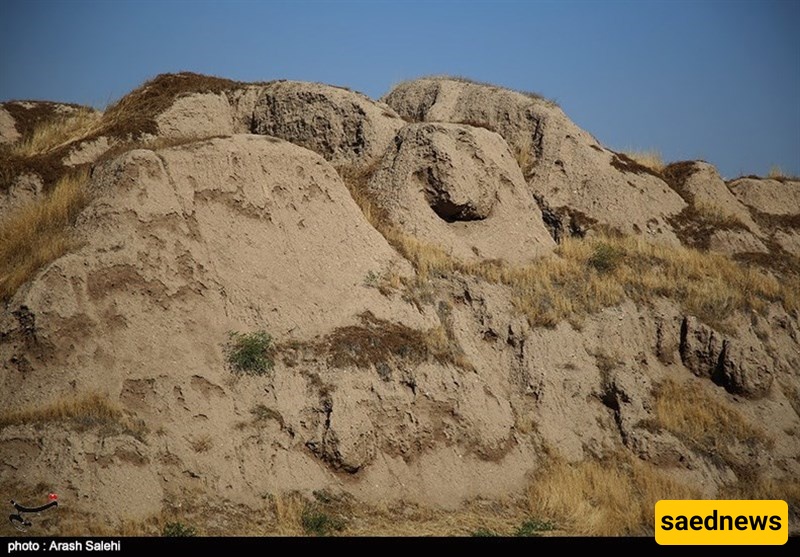
Nestled in the heart of Qazvin, this castle has weathered centuries of erosion, spanning nearly 5,000 square meters. Archaeological remains suggest it once featured a large central dome.
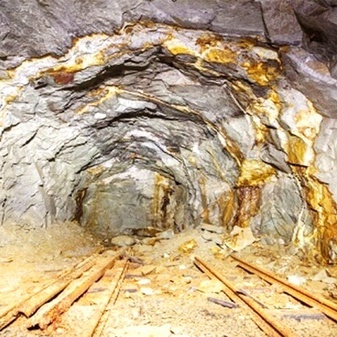
Today, none of the ceilings survive, but the fortress reveals a complex subterranean network: three east-west tunnels run beneath the structure, connected by a north-south passage. Two levels were linked via a spiral staircase, hinting at sophisticated architectural planning.
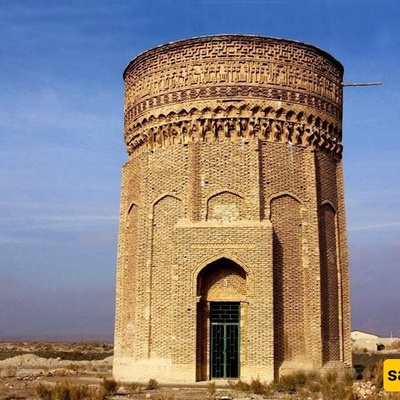
Scholars believe the main gates faced north. Eight brick towers once encircled the stronghold, pointing to its role as a military fortress.
The castle’s origins remain uncertain. Current research suggests it dates back to the Abbasid era, possibly commissioned by Caliph Musa al-Hadi in 784 AD. Other experts argue for a Buyid dynasty origin, based on artifacts discovered on site.
Notably, the 13th-century polymath Nasir al-Din al-Tusi spent time here while living with the Ismailis, adding a layer of intellectual history to the fortress’s martial past.